Mons is not love at first sight. Forget all tourist clichés and brace yourself for a city that constantly teases, charms, rejects, seduces, repels, and attracts you. Slowly. Bit by bit. Until you're almost unknowingly head over heels... well, you know.
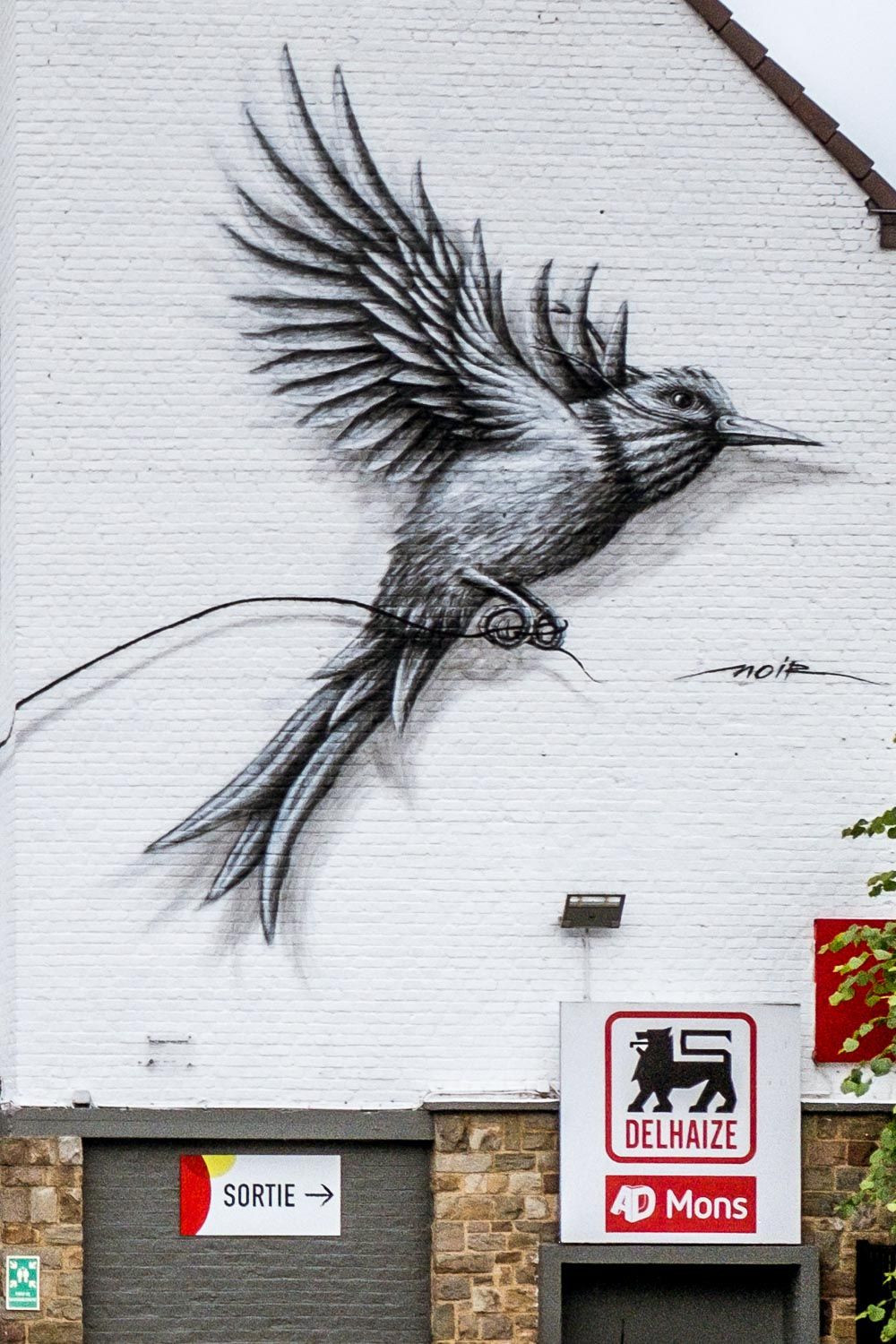
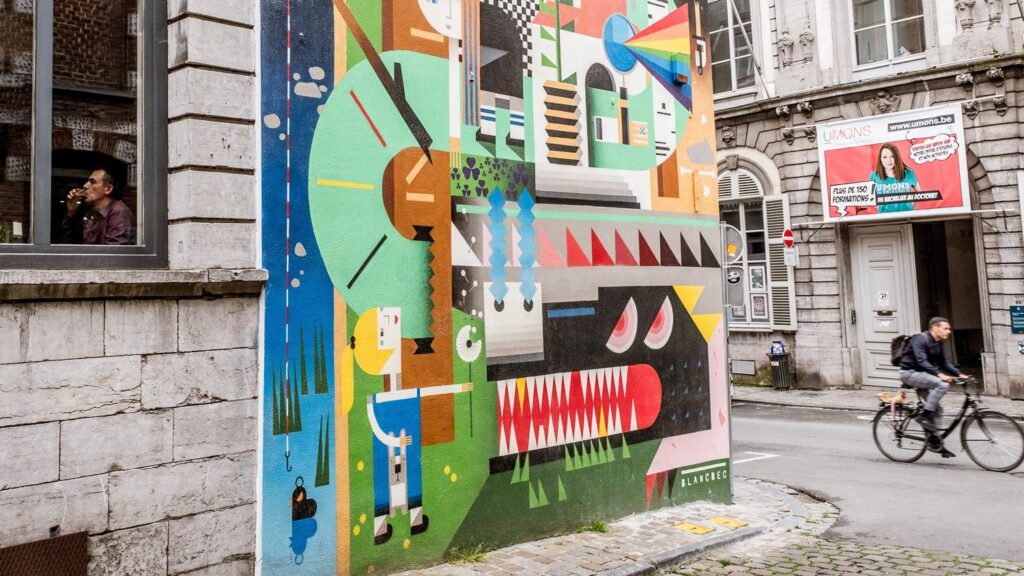
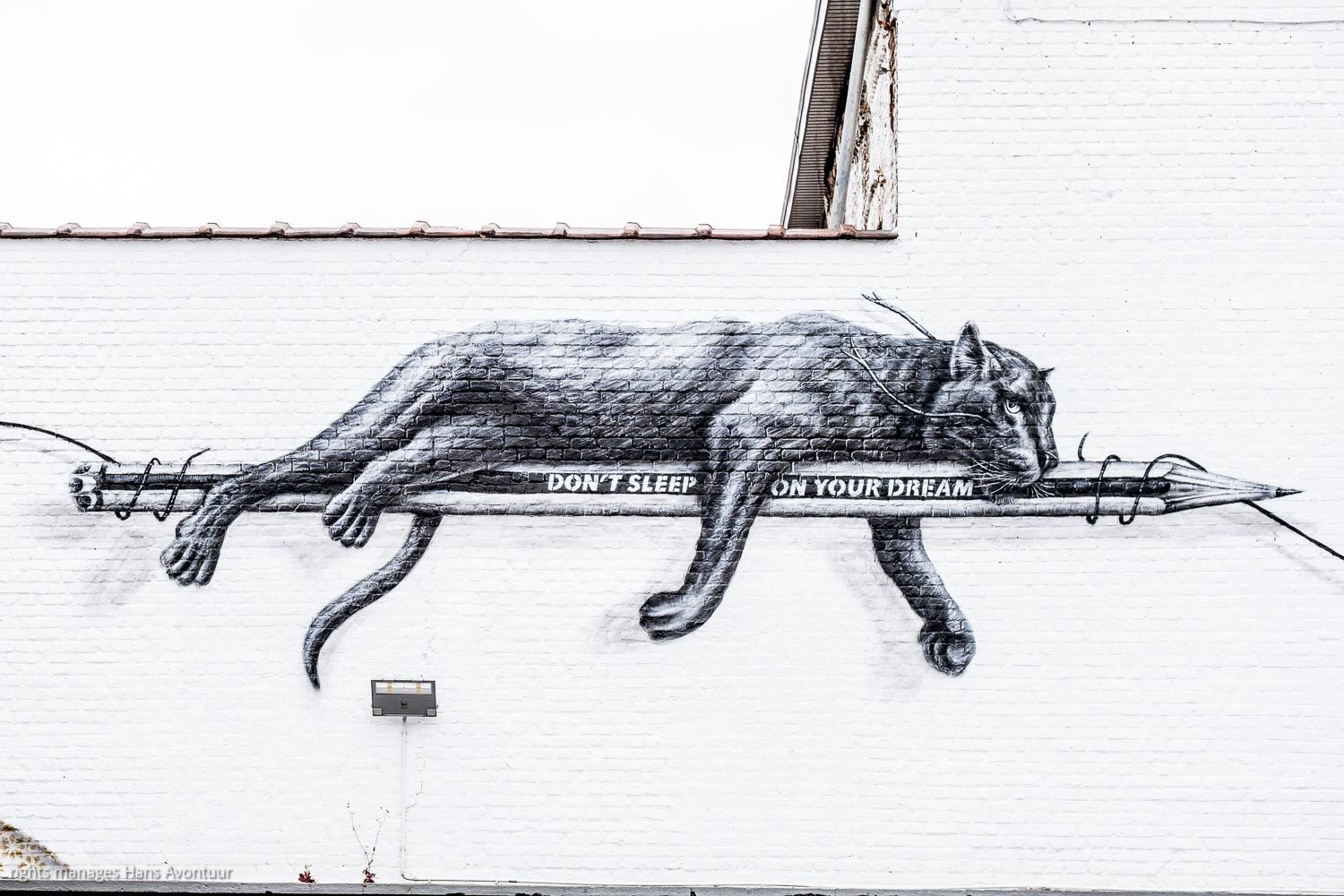
Let's start at the beginning. The introduction. Walking through the compact city center. It's old and new, beautiful and ugly, quiet and busy. But wherever you go, street art keeps popping up. Not hastily made by anonymous night artists, but work of international quality.
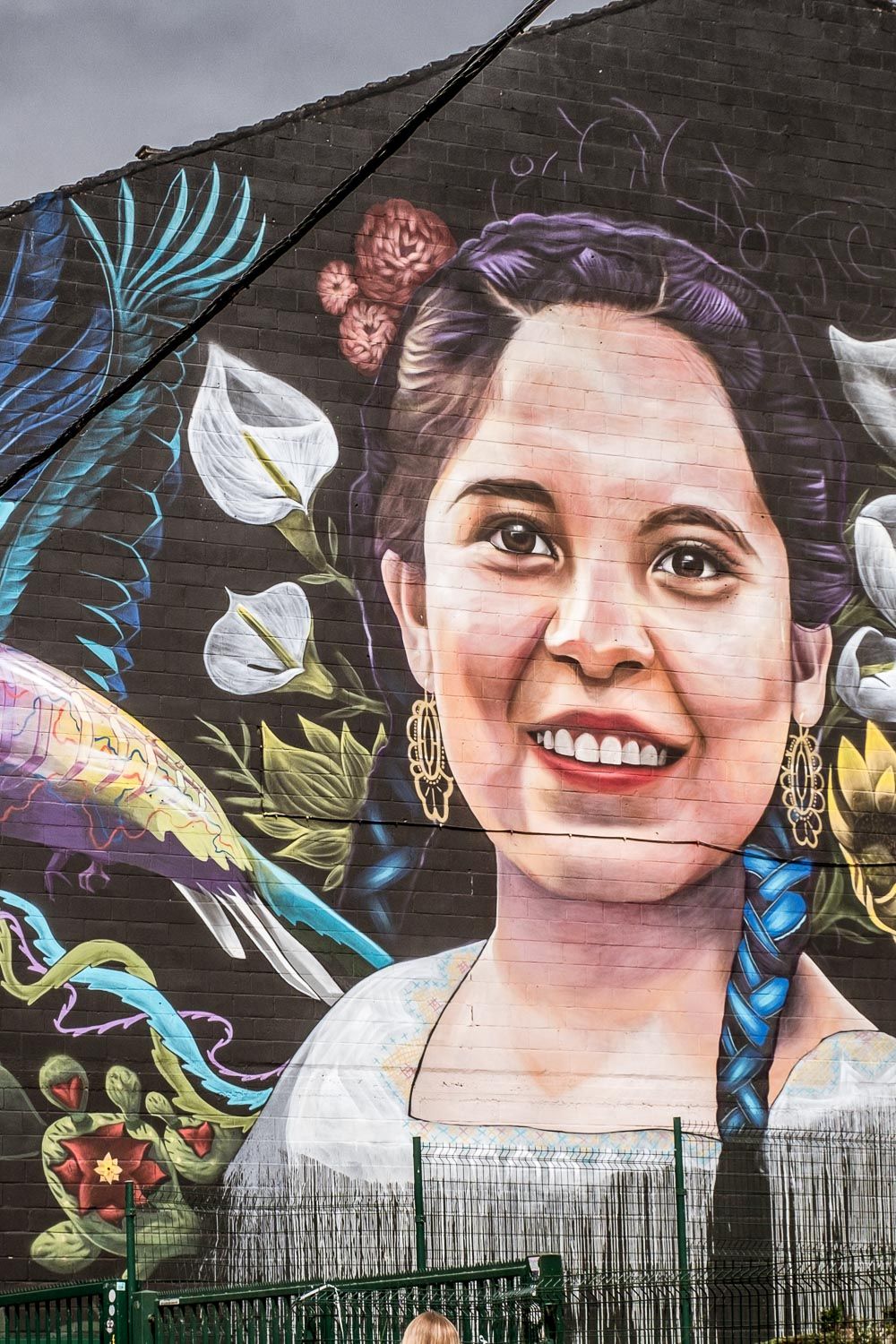
An exotic mural by Mexican artists Cix and Duek colors the side of a building on Rue des Fripiers. It illustrates nature and life. You see, among other things, a woman surrounded by flowers and a Quetzal, a bird descended from Quetzalcoatl, according to the Aztecs the creator of mankind. The work bursts from the walls, gives the street character and everything around it energy.
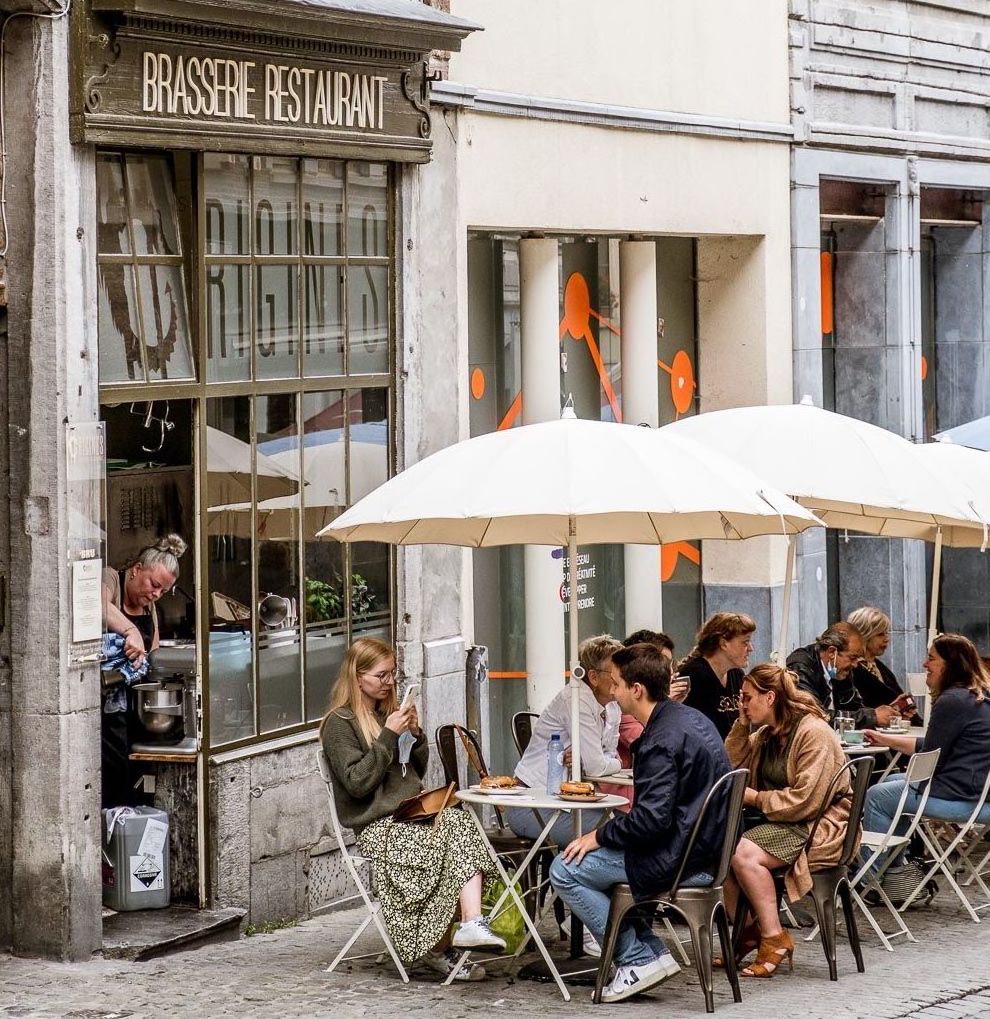
Rue des Fripiers is perhaps the most fun street in Mons. Contemporary and full of daring. You'll find super cool spots like Yneska with stylish vintage clothing and La Vie Moderne for furnishing your home. And while we're at it: Mel oh Cake (cakes and cupcakes like works of art) and La Mitraillette, a kind of culinary snack bar.
Wandering through the city, home to 95,000 inhabitants, there's always a view of the Belfry. This bell tower is the most famous building in Mons and is on the UNESCO World Heritage list. From the top, you have a beautiful view of the center and surroundings. Touchscreens provide the accompanying information about streets and buildings. Look, read, and admire.
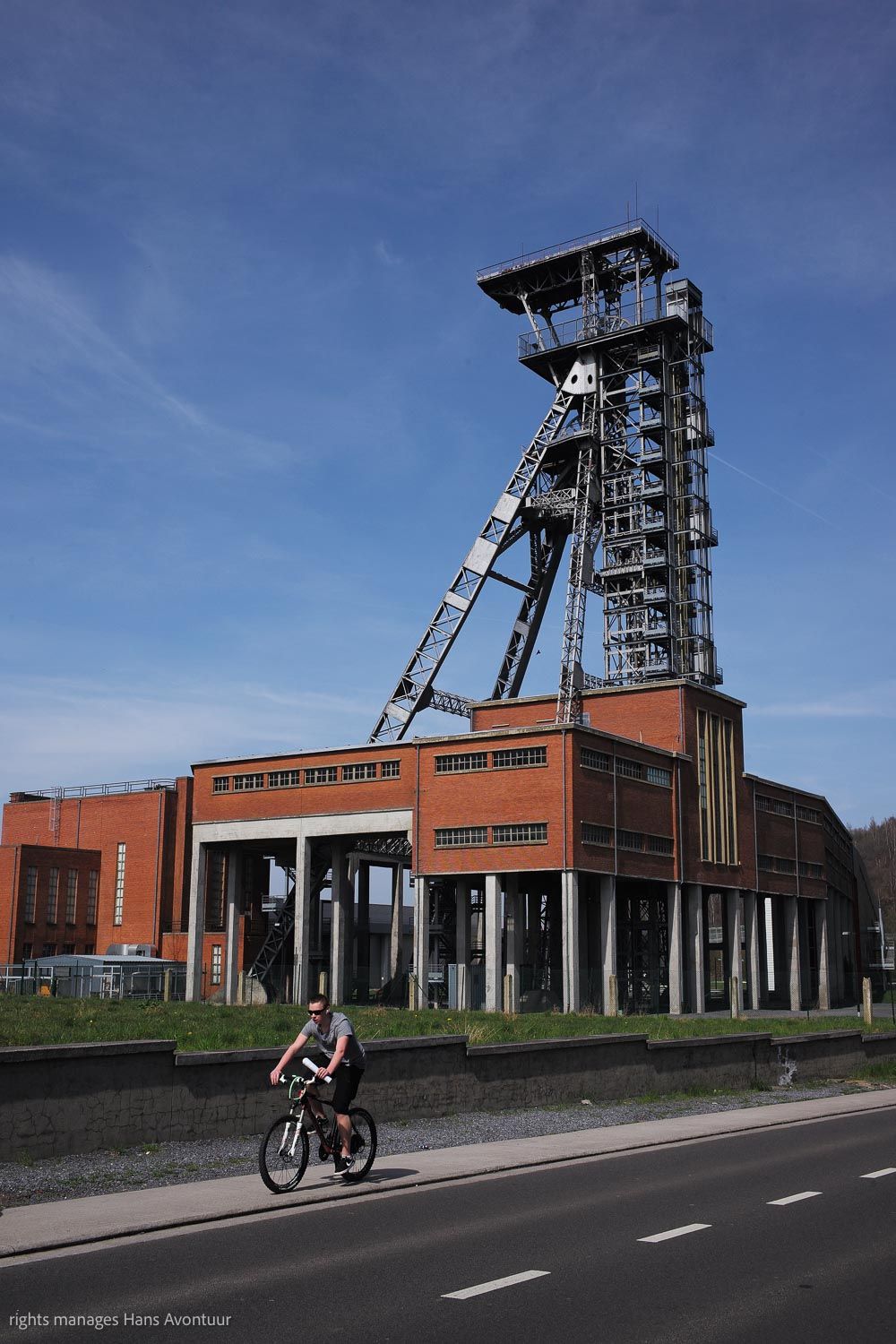
On the horizon, you can see the characteristic slag heaps, mountains of coal dust and other waste from the mines. Once black and dusty, now beautifully green. Mons was considered the capital of the coal region. In the early 19th century, more coal was extracted here than in all of France and Germany combined. The elite became rich from it, while the workers lived in great poverty.
To help the poor, Vincent van Gogh traveled there as a preacher in December 1878. During his stay, however, he discovered that he wanted to become an artist. The fields, the hills, the mines, and especially the people around him slowly but surely drove him towards pencil and brush. With fragile simplicity as the theme: “"...the Borinage is as picturesque as old Venice, as Arabia, as Brittany, Normandy, Picardy or Brie..."” (letter to brother Theo).
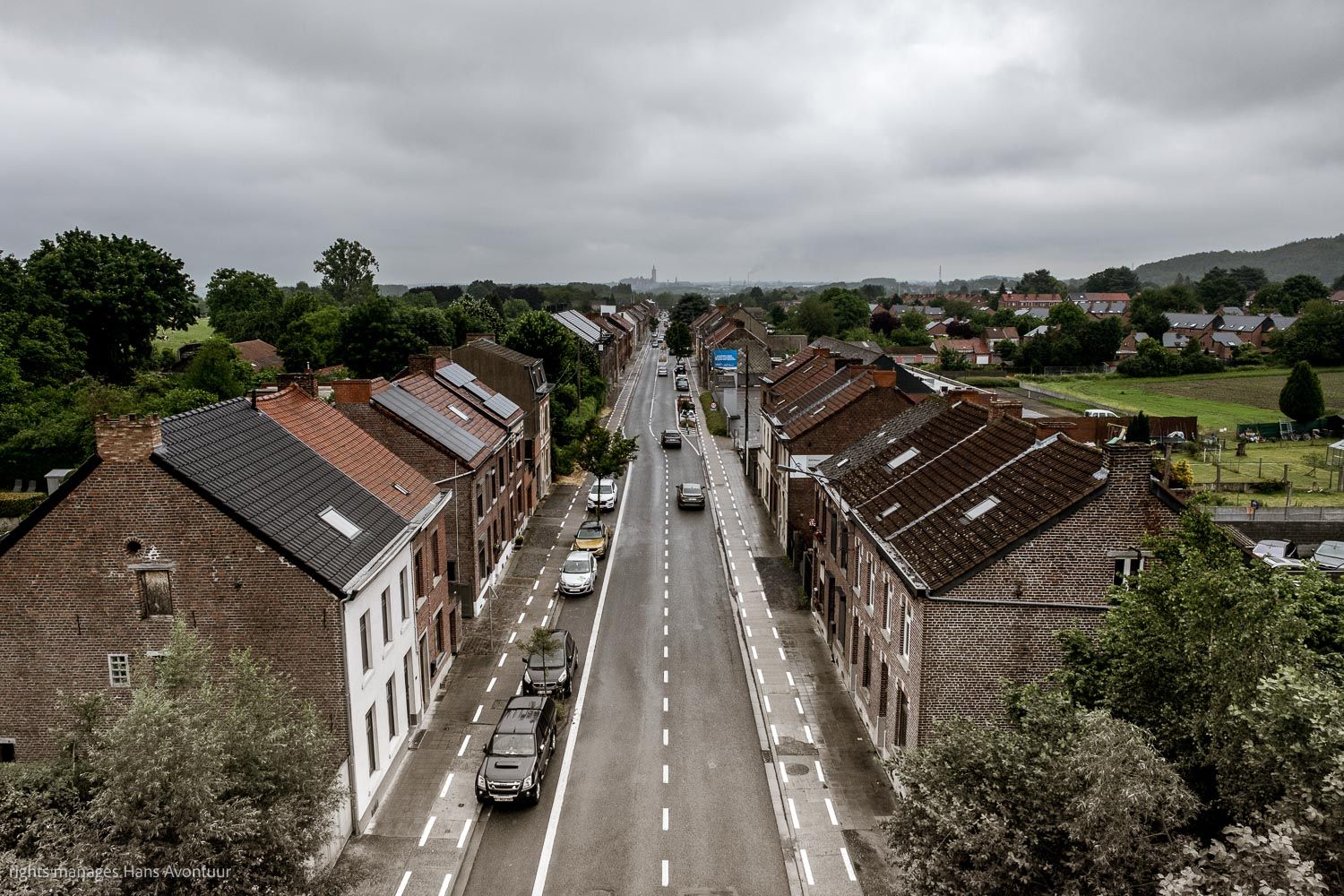
And so it still is! Of course, there are ugly streets with unsightly buildings and corners in the landscape that you'd rather drive past as quickly as possible. But those who look closer also see Van Gogh's Borinage. With gently rolling landscape, a beautiful old tree at the edge of a lush meadow, and small houses standing vulnerably in the big world.
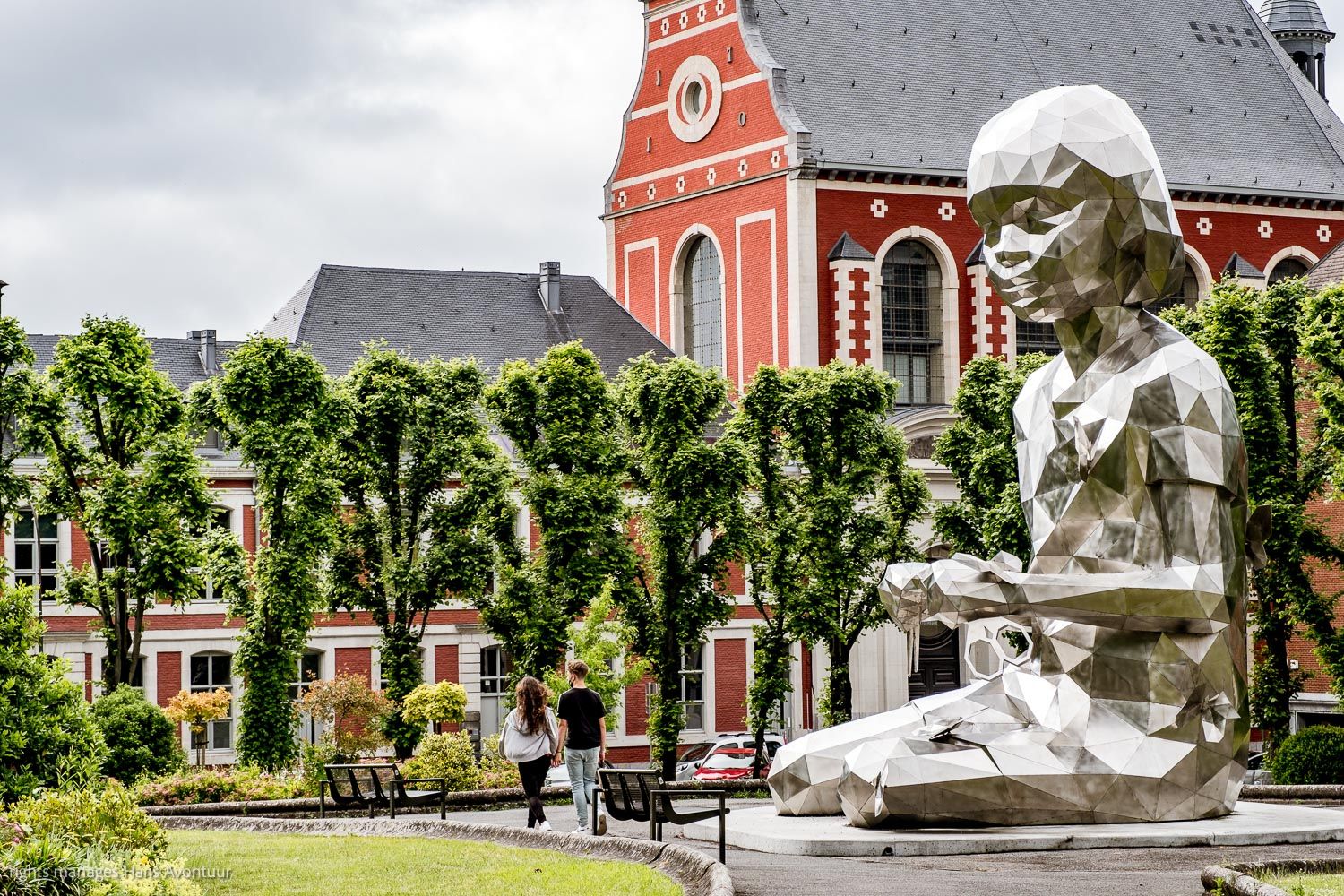
Descend from the Belfry and walk towards the station. The route is colored by more surprising art. On Square Roosevelt stands a seven-meter-high stainless steel statue: Lucie et les Papillons, Lucie and the butterflies. It's a work by French artist David Mesguich and refers, among other things, to the saying that you get butterflies in your stomach when you're in love.
Progressiveness and tradition come together perfectly, as the gleaming statue reflects St. Waudru's Church, the city's main house of worship with, among other things, a reliquary shrine and golden carriage – the ceremonial wagon that is brought out once a year during the procession, the famous Doudou.
The procession – including the fight between St. George and the dragon – is an age-old folk festival with strong roots in society. Like many things. In Mons, they like to make room for hip and trendy, but always with respect for tradition. Take a classic brasserie like l'Excelsior on the Grand Place. Despite the rise of modern coffee bars, it's always well-filled with beer drinkers and newspaper readers.
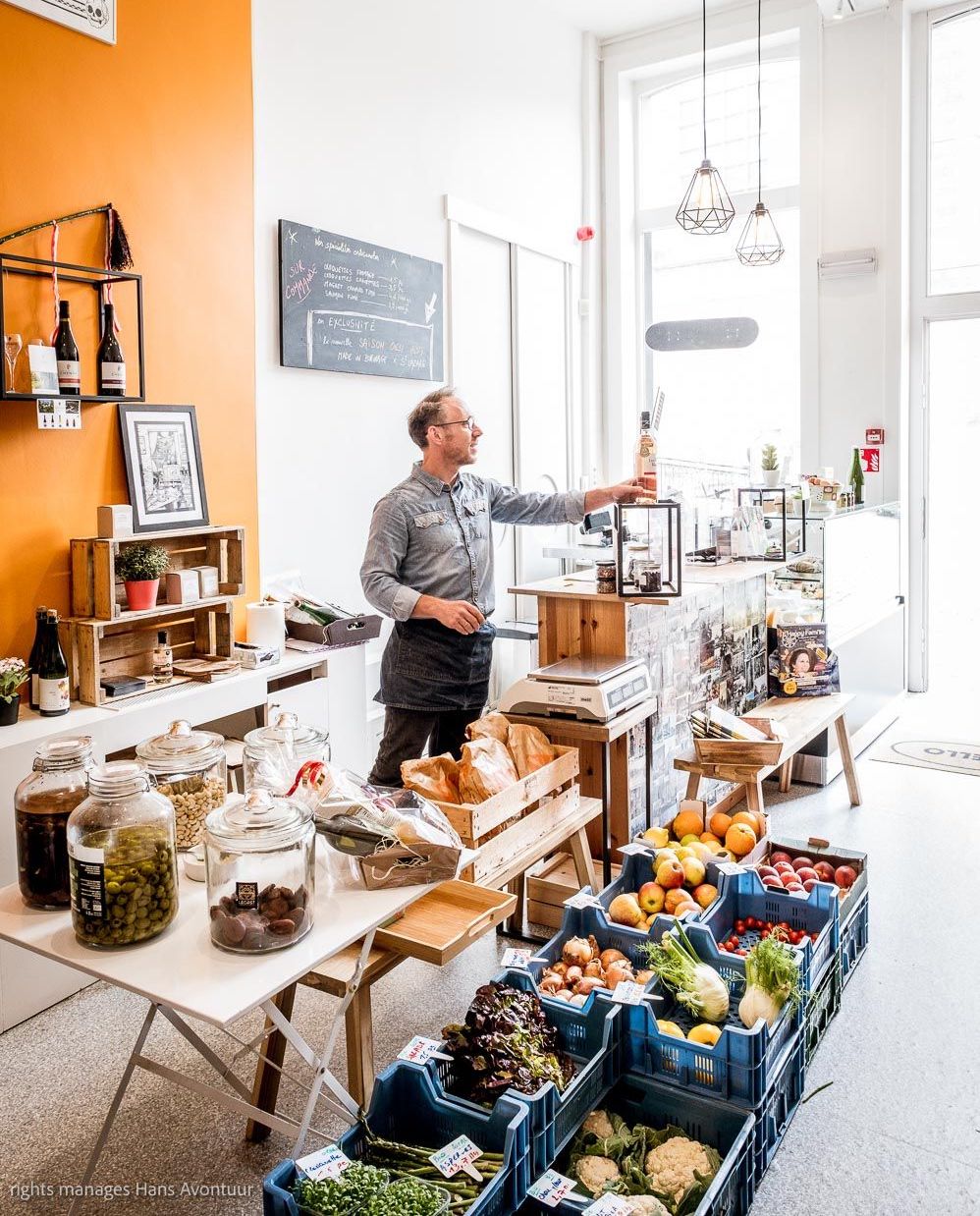
Classic and contemporary exist effortlessly side by side. For example, you can walk from the Grand Place in five minutes to David Philippart's neighborhood store cum living room. The visitors form an exciting mix of local residents, lost tourists, and people trying to get their stalled lives back on track with the help of David and his wife. It's a warm meeting place as a counterpart to the anonymous digital world.
Back to the Grand Place. Traffic has less free access than in the past, and that benefits the square. Plenty of walking space and spacious terraces for long summer evenings. As is customary in Belgium, the day in Mons is crowned with good food and fine wine. Plenty of choice. From the best steaks at La table du Boucher to Mediterranean at l'Envers and from modern French at Masu to 'whatever's cooking' in the atmospheric Cocotte.
One of the characteristics of Mons is its connection with the immediate surroundings. This grew during the heyday of the coal industry. In the city, trade was conducted and money was spent, while in the surrounding villages, people worked extremely hard. Due to the modest size of Mons, the distance between city and countryside is still small. At Visit Mons, you can rent a (electric) bike and fifteen minutes later you're winding along a narrow path next to a slag heap.
There's a lot to see around Mons. It's a matter of choosing. The boat lifts of Strépy-Thieu (UNESCO), the flint caves of Spiennes (UNESCO), Van Gogh's houses in Cuesmes and Wasmes, the Pass science museum in the former Crachet Picquery coal mine in Frameries, the Héribus slag heap.
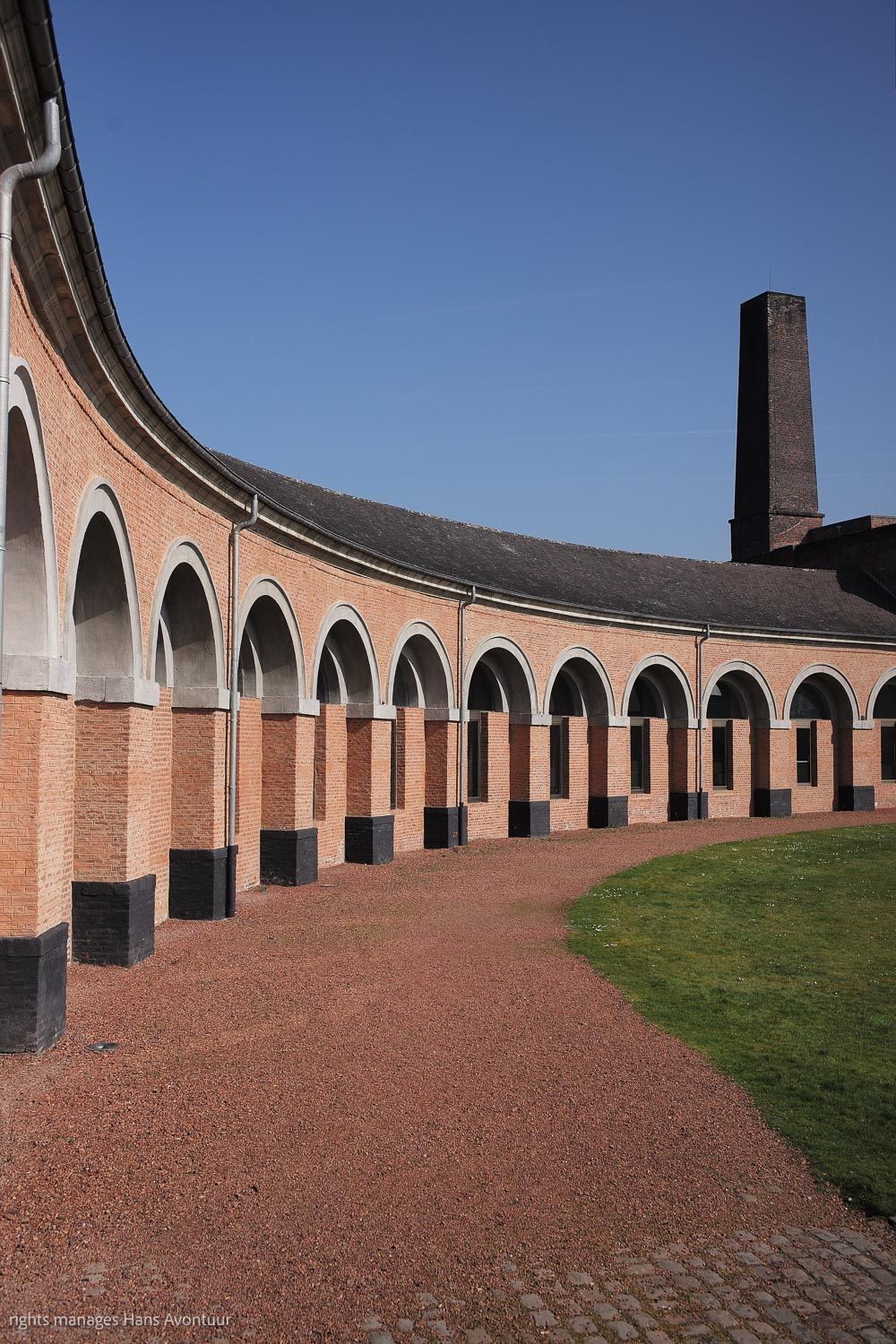
So, choices to make. Le Grand-Hornu, the revolutionary mining complex of businessman Henri De Gorge. It's beautifully restored and is on the World Heritage list as an example of new thinking in the late 19th century. If you were good to your workers, they were good to you. Le Grand Hornu had 440 brick houses that meant unprecedented luxury for the miners. Most of the houses are still inhabited.
It's not so strange that this industrial heritage can be found in the Borinage. After England, the industrial revolution gained a foothold in this region, the first place on the European mainland. Of course, this had everything to do with coal. Le Pays Noir was the Silicon Valley of the 19th century. And the birthplace of socialism in Belgium. The miners shared their hard work and tough existence, which created a strong form of solidarity.
It's now wonderful to walk, cycle or drive through the rolling hills. The slag heaps are no longer dark, nasty waste mountains, but new nature areas with trees, flowers, and plants. Some can be climbed and offer beautiful views over the region.
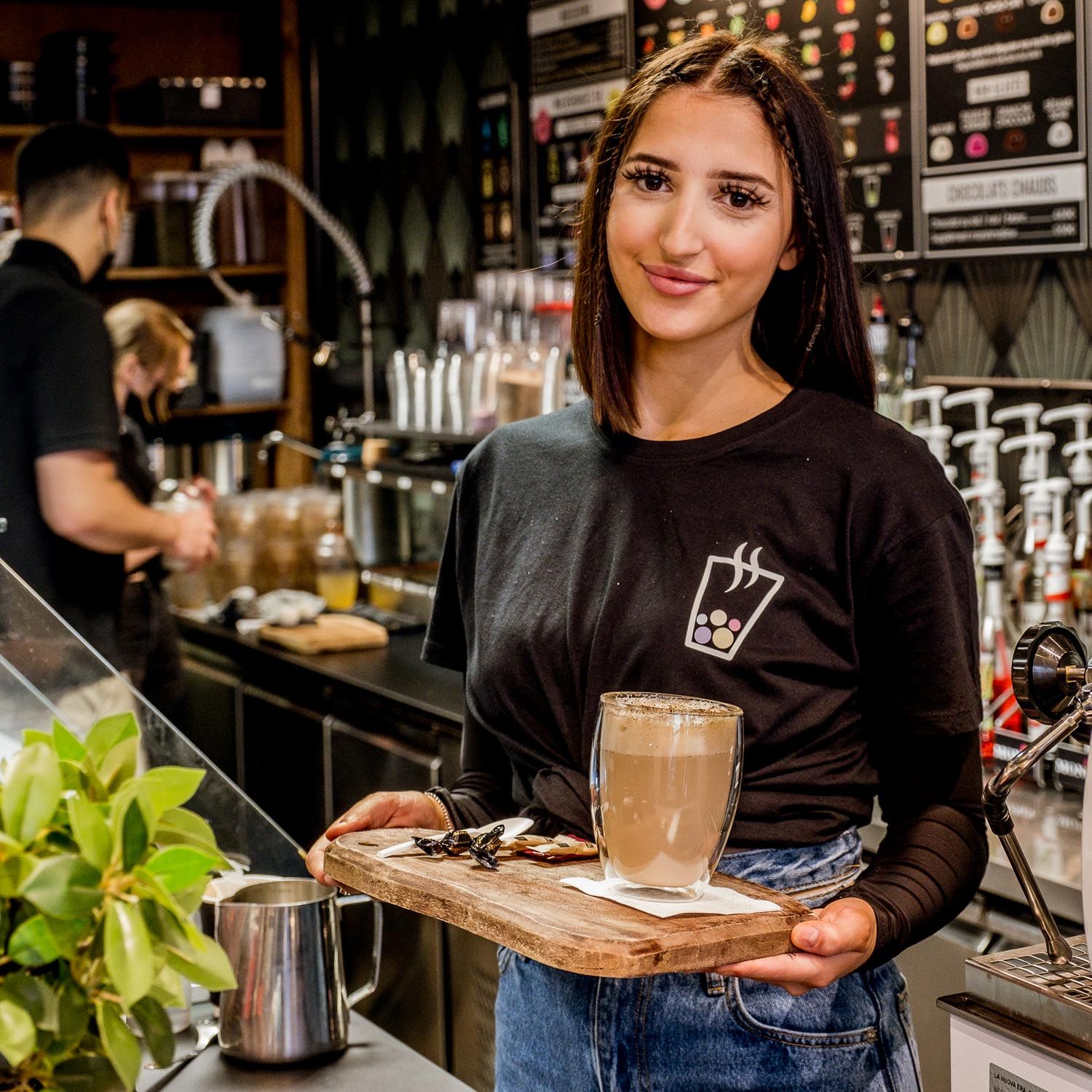
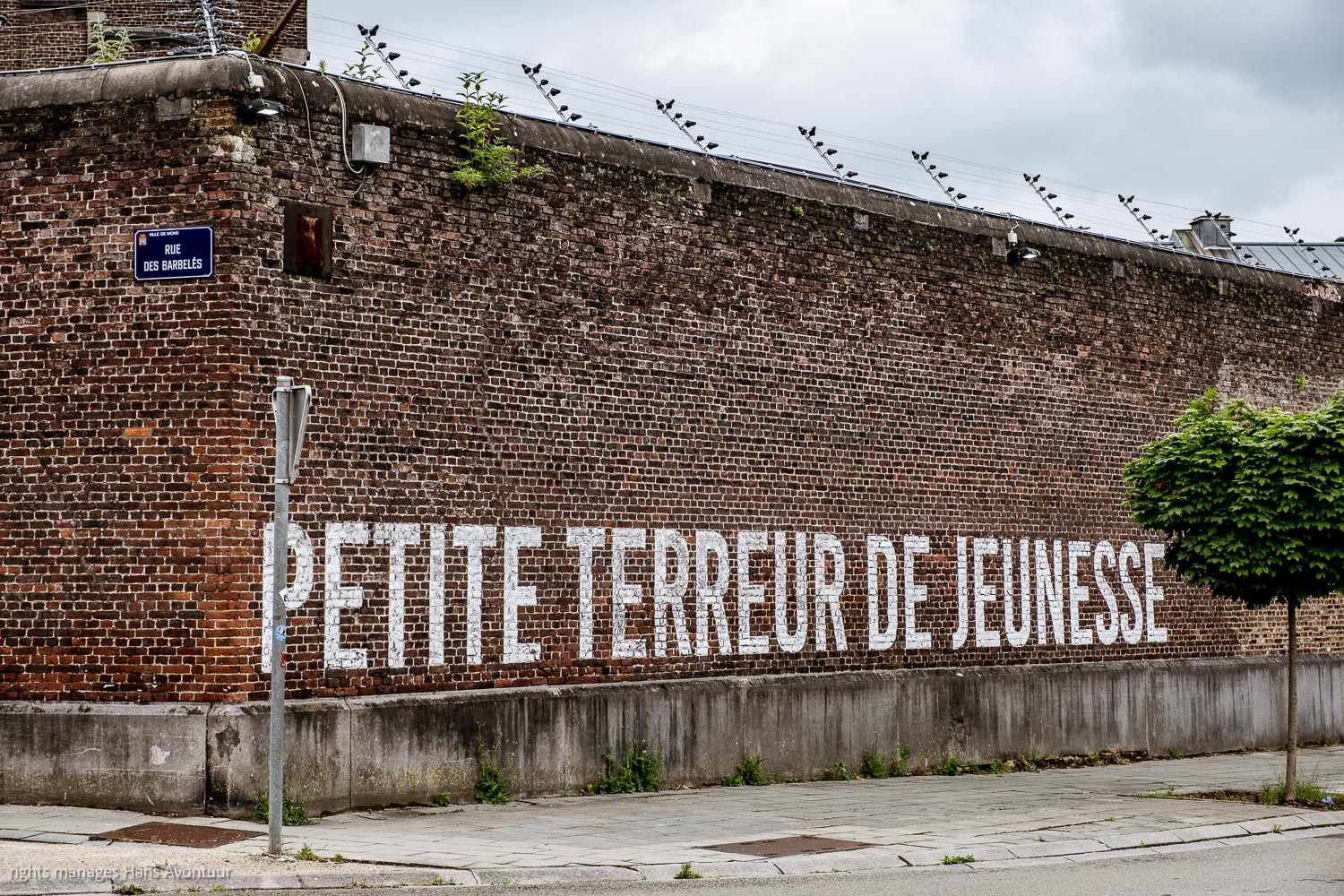
Back in the city, you step right back into the present: street art on the prison walls, modern art at BAM or in the Anciens Abattoirs, good coffee at Five Senses, the congress building by Libeskind. Soon the new station designed by top architect Calatrava will be added. Better not say too much about it though. It's an open wound for Mons. Too late to finish, budgets exceeded, wrong design. But one thing is certain: it will be exceptionally beautiful!
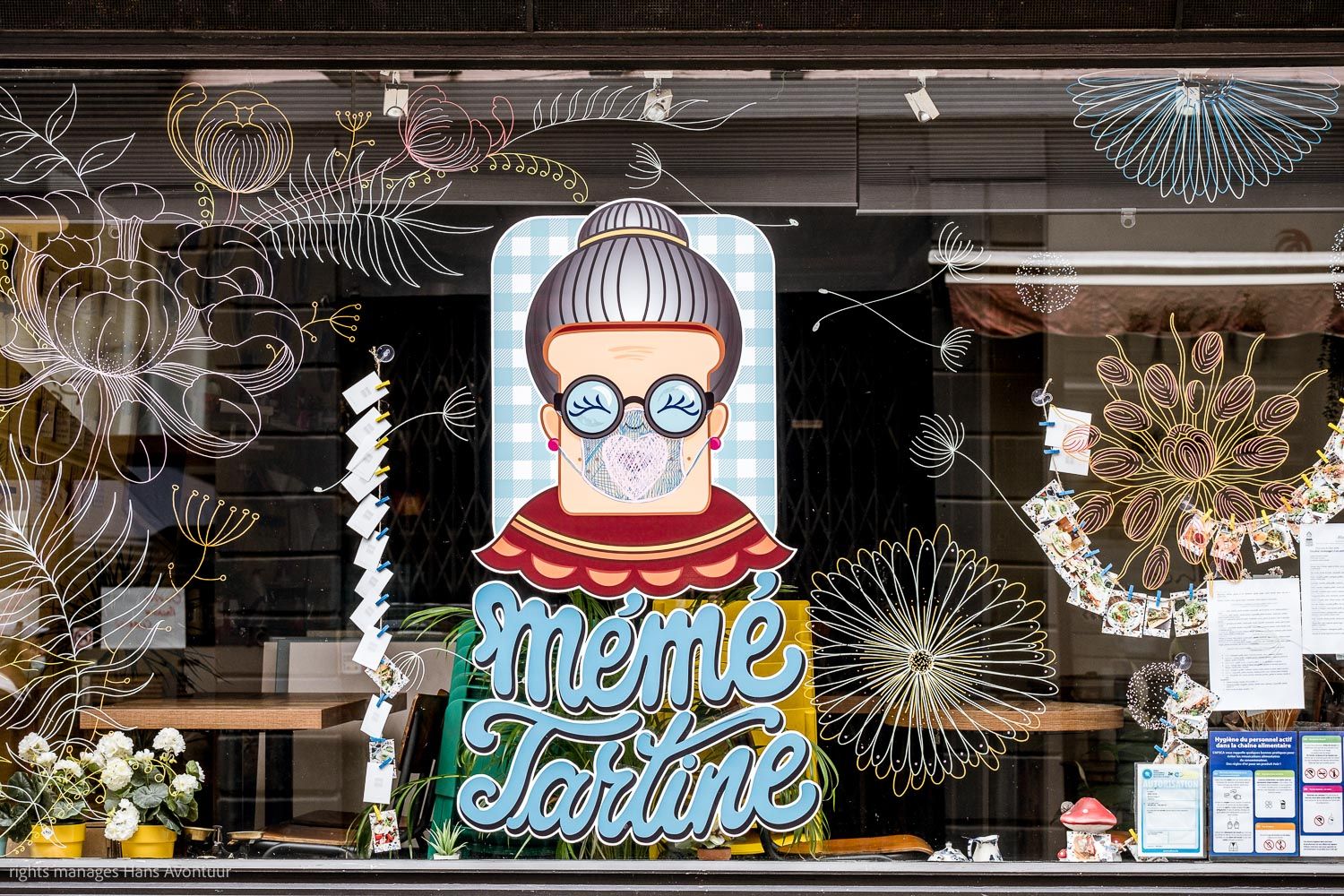
The fact that this project is progressing so laboriously fits well with a city where things never come easy. It gives all the successful projects a little extra shine, because you know they've been hard-fought for. Back to Rue des Fripiers for a fitting end to the city trip: coffee with a tartelette that's as beautiful as it is delicious. Take a bite, close your eyes and think of Mons. You were warned: head over heels!
Love what we do? Help us keep sharing the world’s most inspiring travel stories. At WideOyster, we believe in adventure, authentic storytelling, and capturing the world – raw, real, and breathtaking.
We travel far and wide to bring you stunning photography, in-depth travel journalism, and immersive stories that inspire and inform. But this doesn’t come free. It takes time, passion, and resources to keep WideOyster running without paywalls or clickbait – just pure, high-quality travel content.
If you love what we do, please consider supporting us with a one-time contribution.
Click below to support us and be part of the adventure.
©WideOyster, 2026. Every journey we share is protected by copyright. Please explore and enjoy, but remember: all rights reserved.
WideOyster Media BV
Jacobsgasthuissteeg 11
Utrecht
The Netherlands
Just like every trip needs snacks, our website needs cookies to function. Accept our cookies and let the adventure begin! Read our Privacy Policy.