When I board the ferry in Port d’Evissa early in the morning, Ibiza hasn’t gone to sleep yet. I turn my face towards the sun that has just come up and close my eyes. The sea breeze flows through my hair. I glance at the silhouette of the party island once more, marked by a cathedral and green mountains. What a contrast compared with the flat, sleepy looking Formentera that appears in my view fifteen minutes later. The Spanish building frenzy was soon squashed by environmental activists on the island: an airport and angular resort hotels like you find at the Costa are conspicuous in its absence.
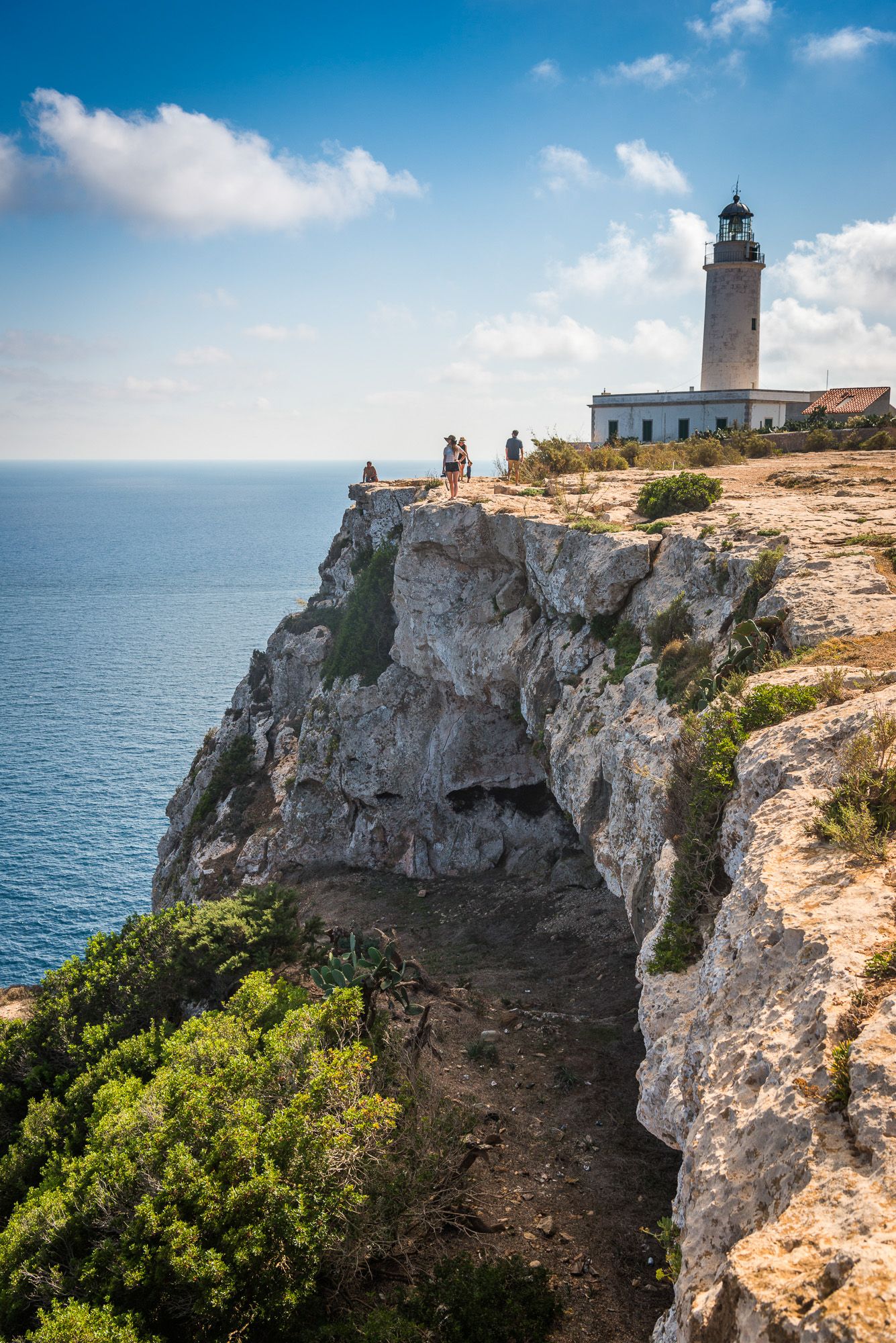
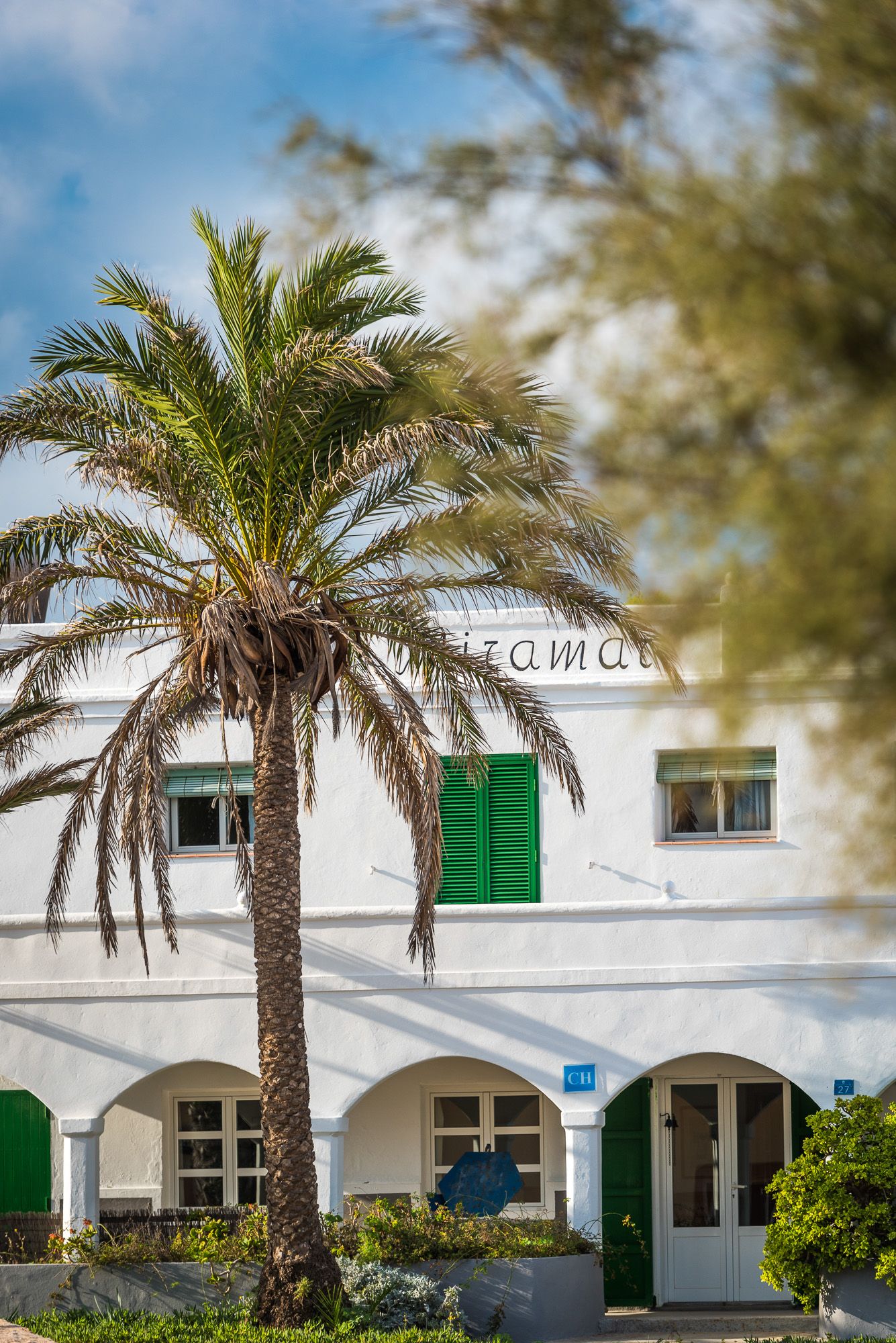
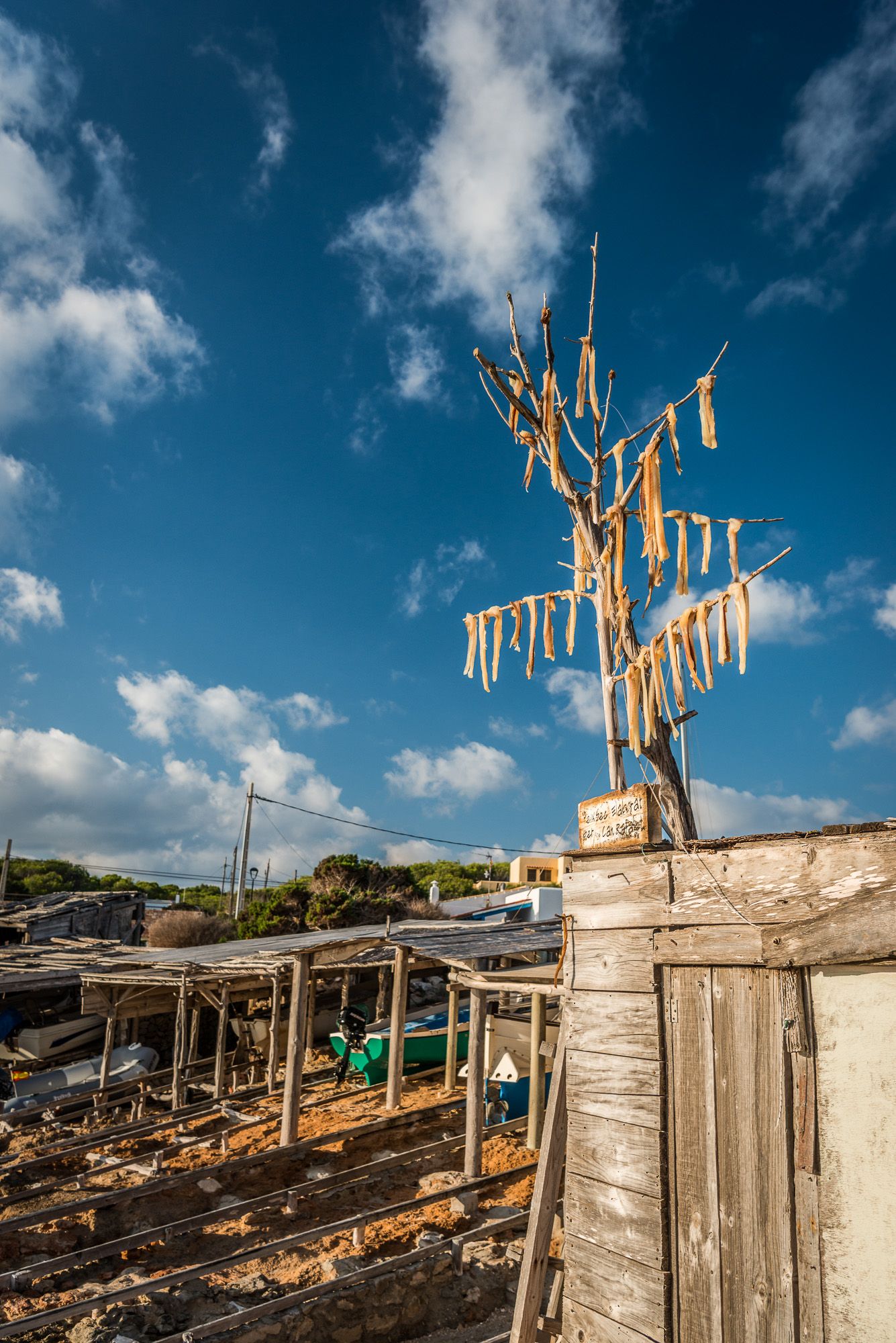
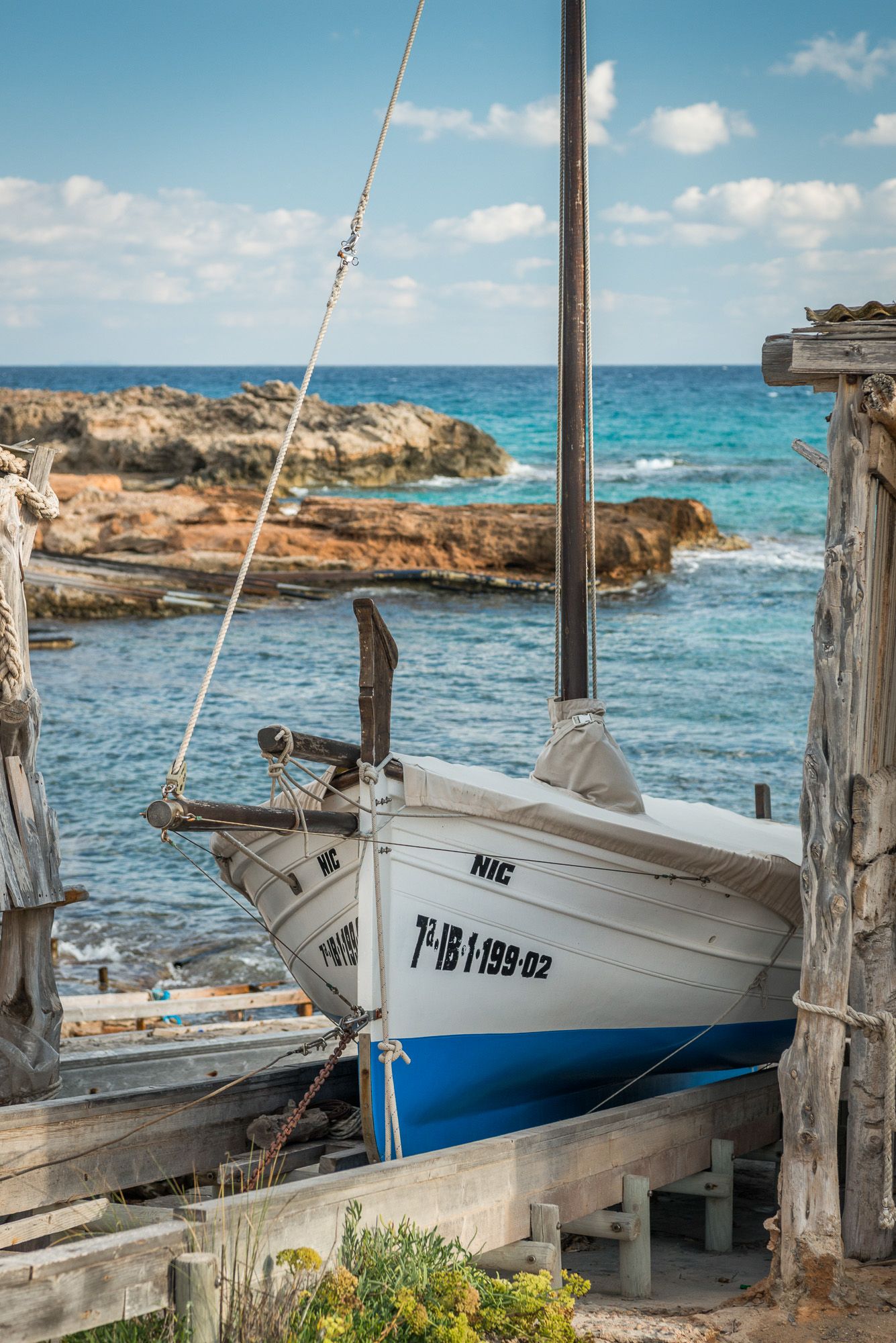
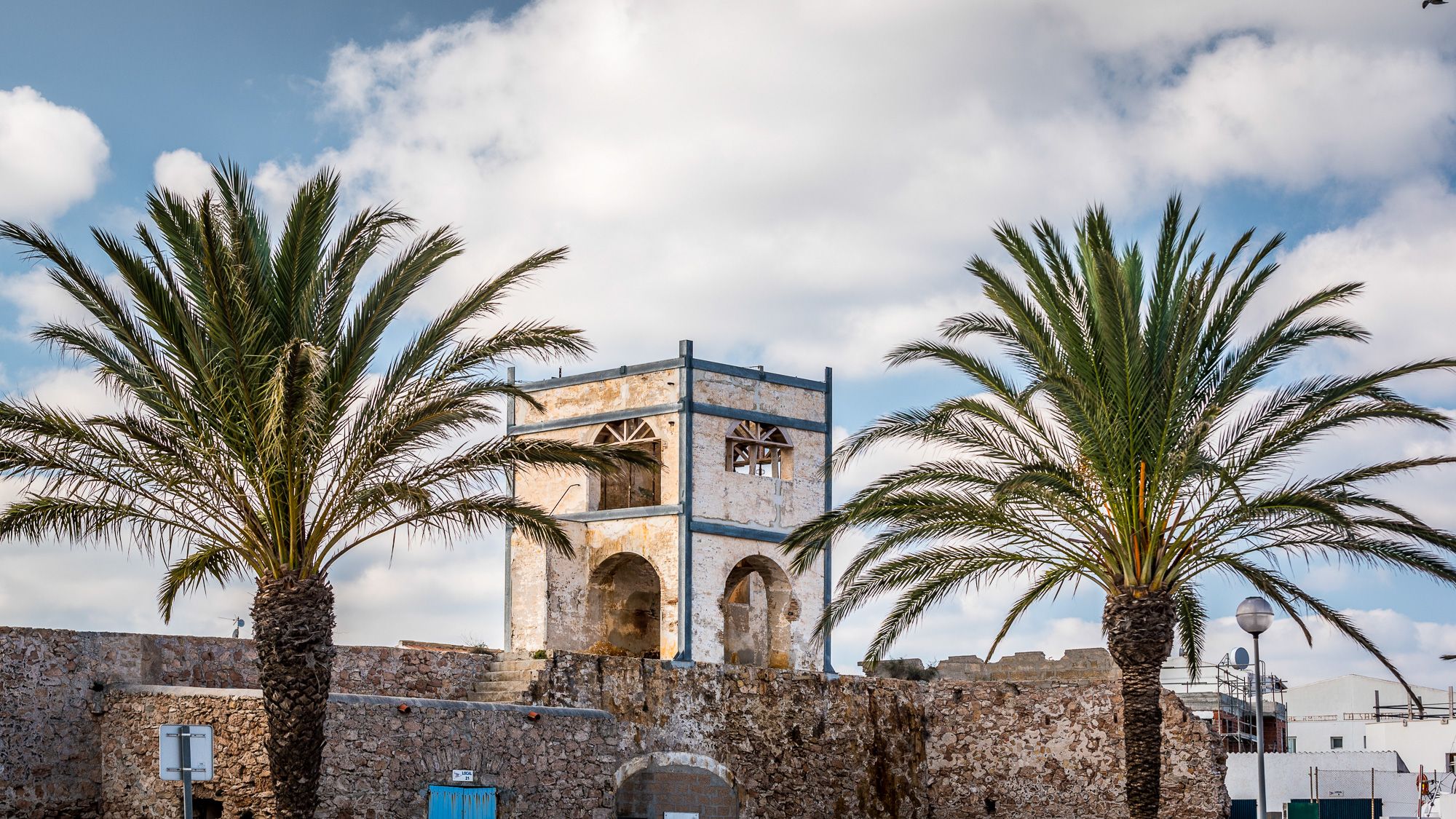
I drive onto the PM-820 heading east. Flamingos parade through the pink salt lakes of Ses Salinas national park. The minimalistic landscape and the plain low-rise buildings on the small island, only 83km2, are striking. A palm tree here, a fortress and stone wall there. A few mills and on every tip a light tower. Not a single traffic light. In fishermen’s towns like Caló de Sant Agustí, the fish is hung to dry on branches on roofs of wooden shacks. Definitely hard to miss are the vast white sand beaches with a turquoise sea: the pride of the tiniest inhabited island of the Spanish Balearic Islands.
The quiet water surrounding the island is perfect for water activities. One morning, I practice yoga on a paddleboard in the sea in front of the port city La Savina. While the sun breaks through the clouds, I move to the instructions of beach babe Ingrid, from downwards facing dog to cobra pose, from bridge to seated twist. In turns, we fall from our boards into the water. Salty water drips down my arms, which I stretch towards heaven. I close my eyes and get goosebumps from the sun slowly heating up my skin. I wouldn’t mind waking up like this every day. After class, we chat a little on the beach.
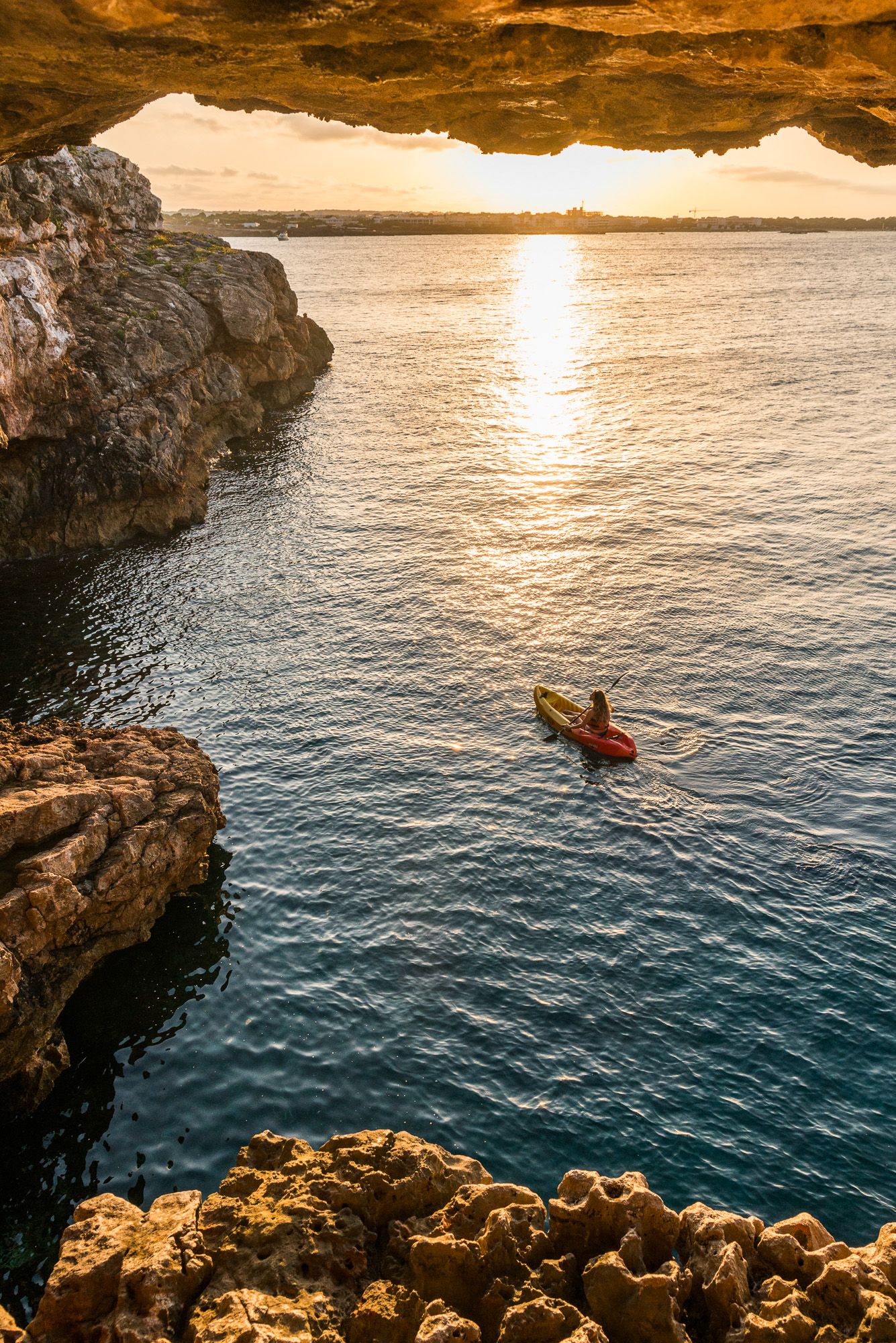
The Italian Sabrina Marina has been living here for 17 years now. ‘When I was seventeen, I decided to go work on Ibiza. During a day trip to Formentera, I fell in love with the nature. Every morning I cycle 15 kilometres and when I have time to spare, I get into my kayak for a trip along the coast.’ Instructor Ingrid from Barcelona, who lives on Ibiza, nods in consent. ‘You go to Formentera to disconnect,’ she adds. ‘When life on the party island becomes too much, you will find me here. Formentera is Ibiza’s antidote.’ By sunset, I kayak from Platja des Pujols, on the north side of the island, past the cliffs of Punta Prima. The sea turns golden yellow while I paddle from one deserted cave to another. It’s as Sabrina and Ingrid said: Here, the everyday hassle floats away in a heartbeat.
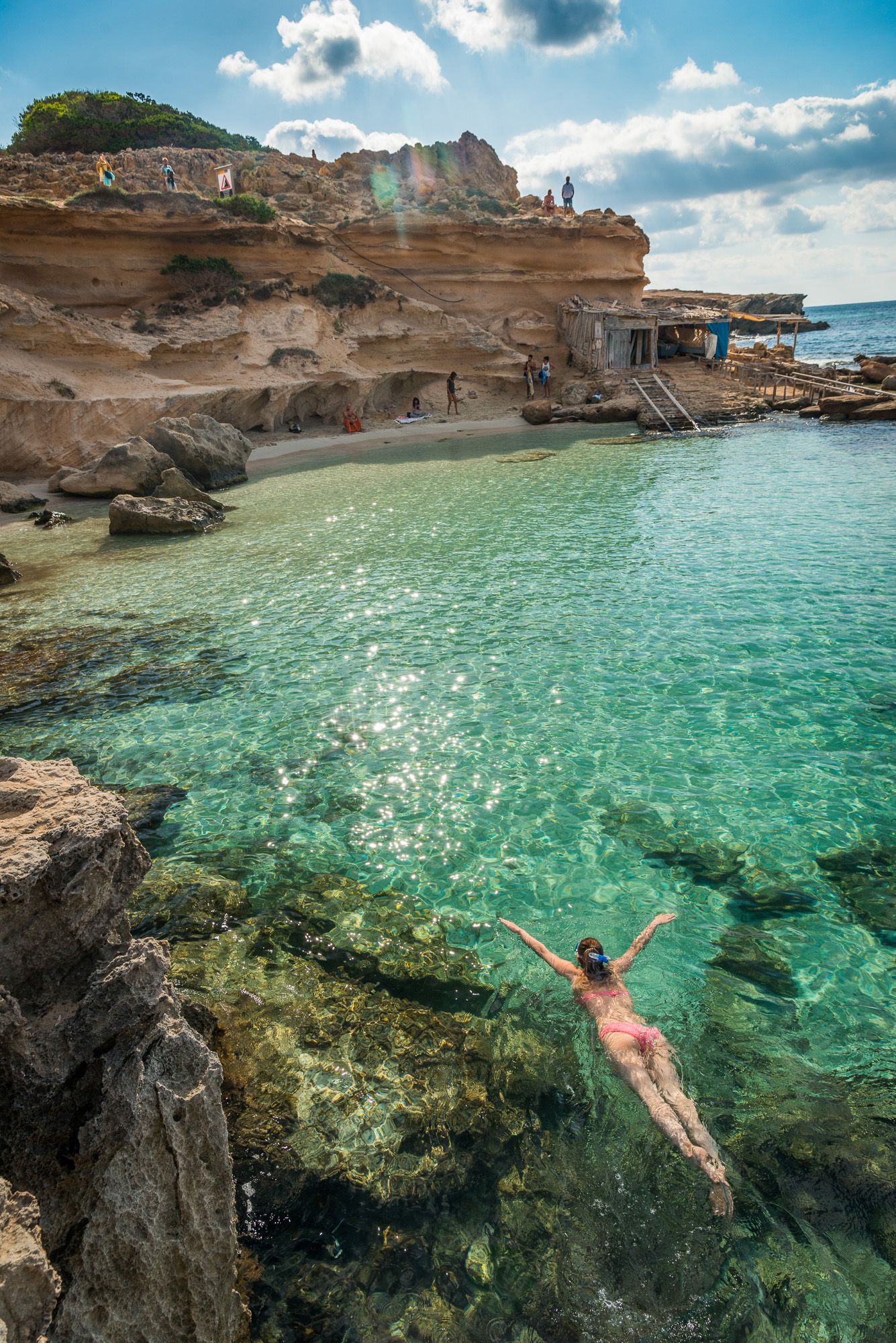
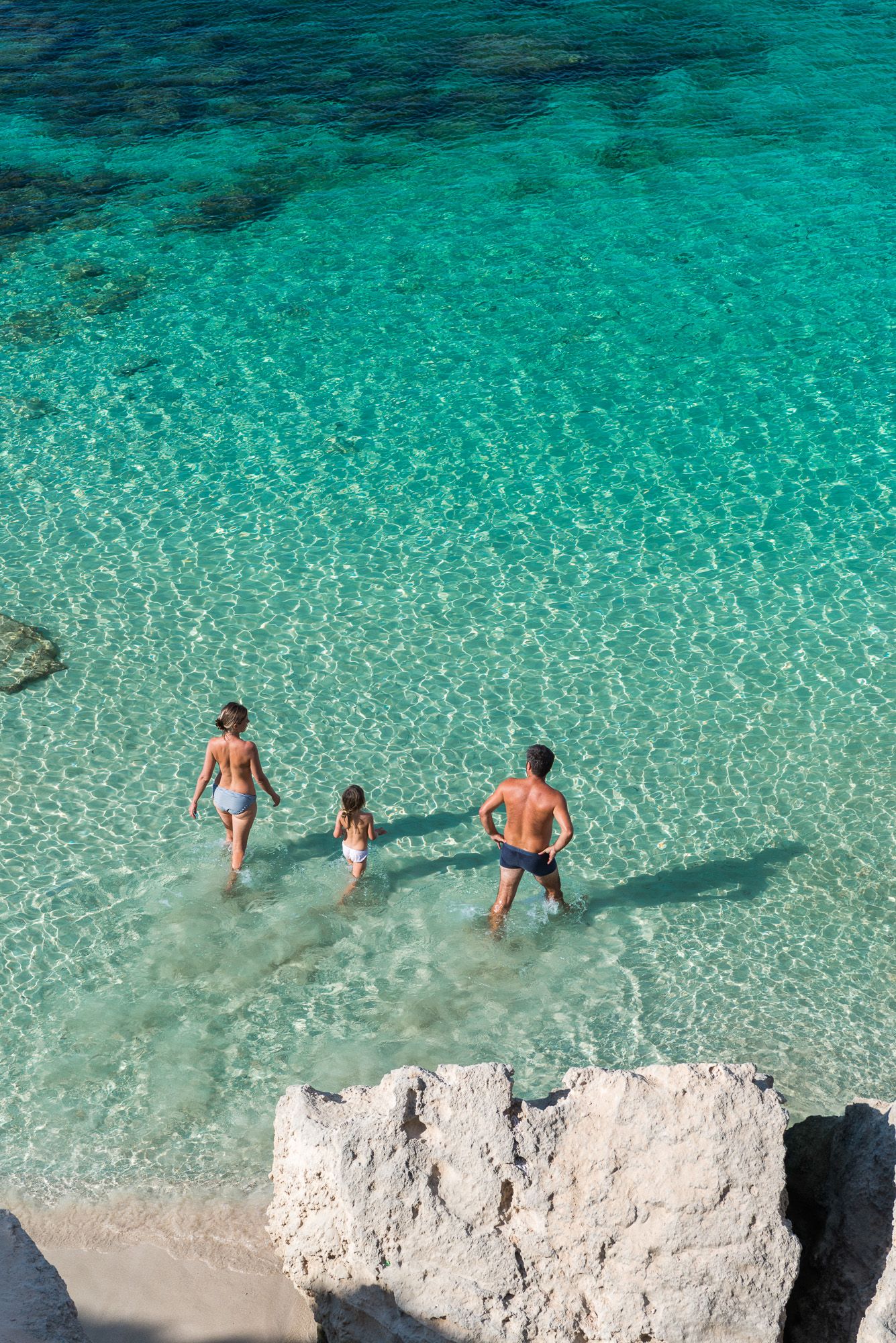
Beneath the surface, there is a whole hidden world. The seagrass not only creates the Caribbean-like beaches: it also protects the internal reefs, and serves as breeding grounds of the Mediterranean sea. With my snorkel in my backpack, I walk over a sand path along rocky bays towards Caló des Mort. The dark name (bay of death) is a mystery to me. Bay of Heaven would be more suitable. I walk down the steep steps to the oval beach surrounded by overhanging rocks ad an old fishermen’s cabin. In the shade, there’s a man with his Great Dane, on a plateau are four sunbathing teenagers. The cool, turquoise water glistens in the morning light. I spit in my goggles, shine them, rinse them and put them on my head. I am surprised to see large schools of fish above the white sandy bottom straight away. I swim towards the rocks. A brightly coloured parrotfish is busy around his piece of coral, while a red scorpionfish is staring at me from under a rock. I swim for a little bit with hundreds of young Carangidae. Here, partly thanks to the posidonia, everything is full of life.
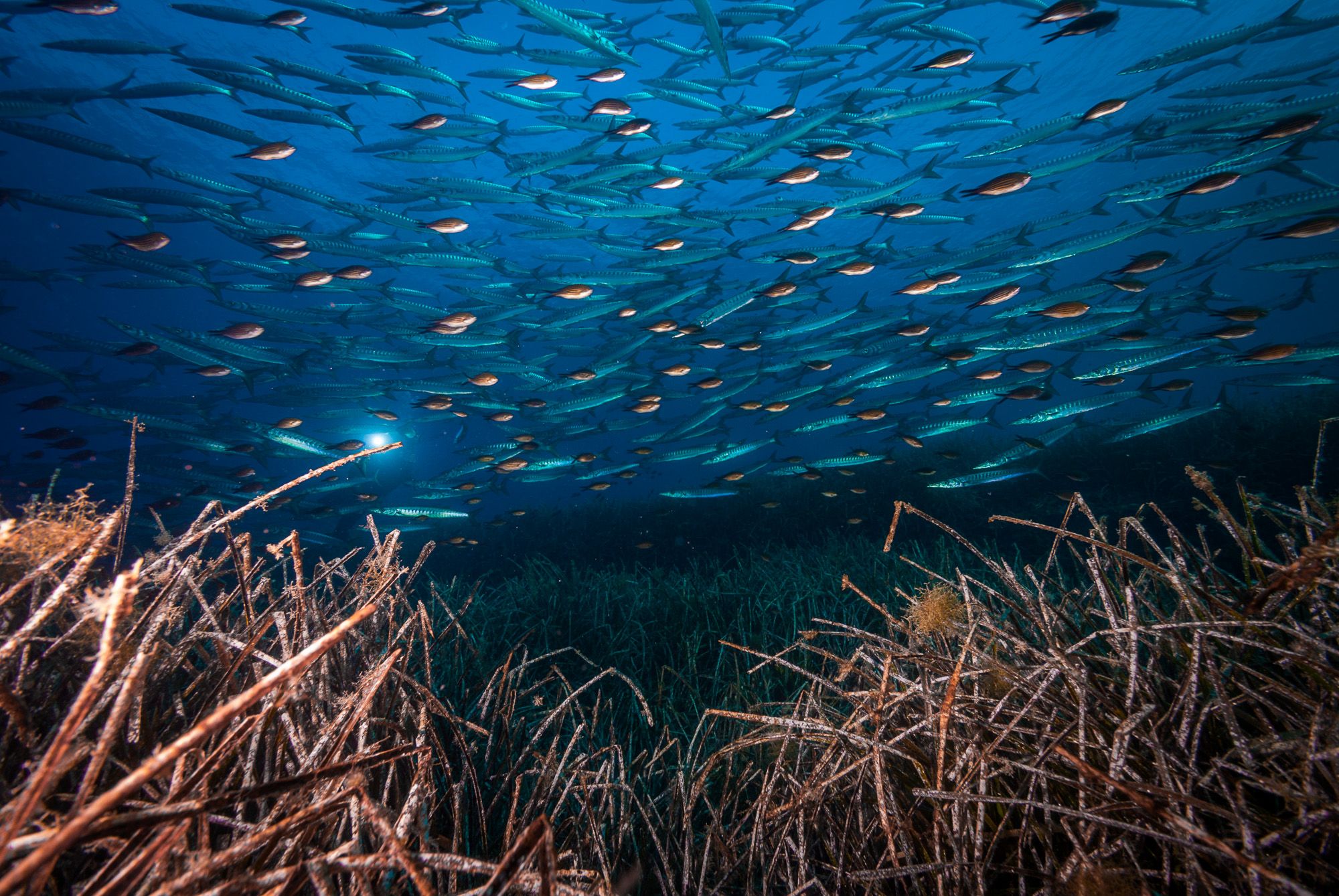
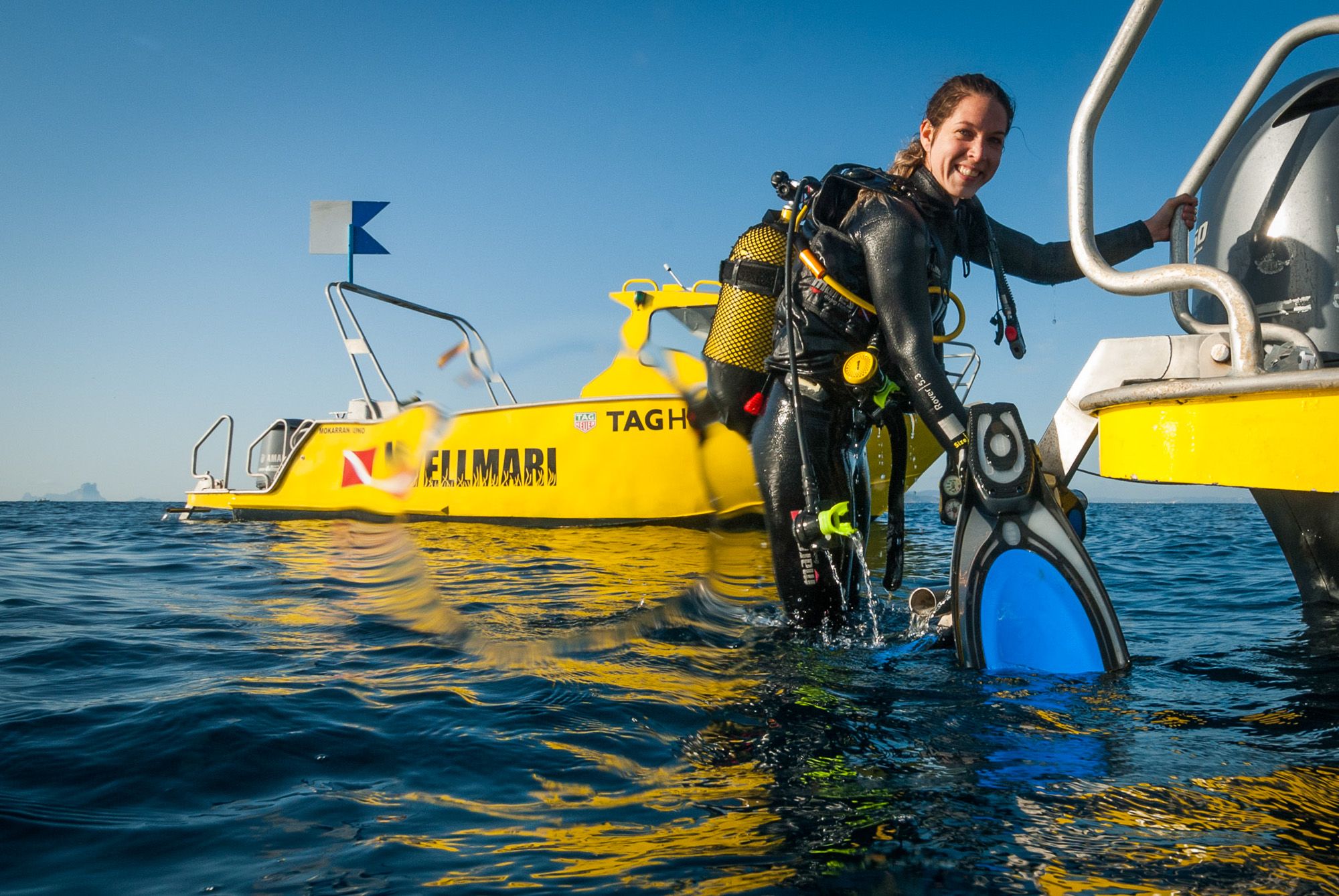
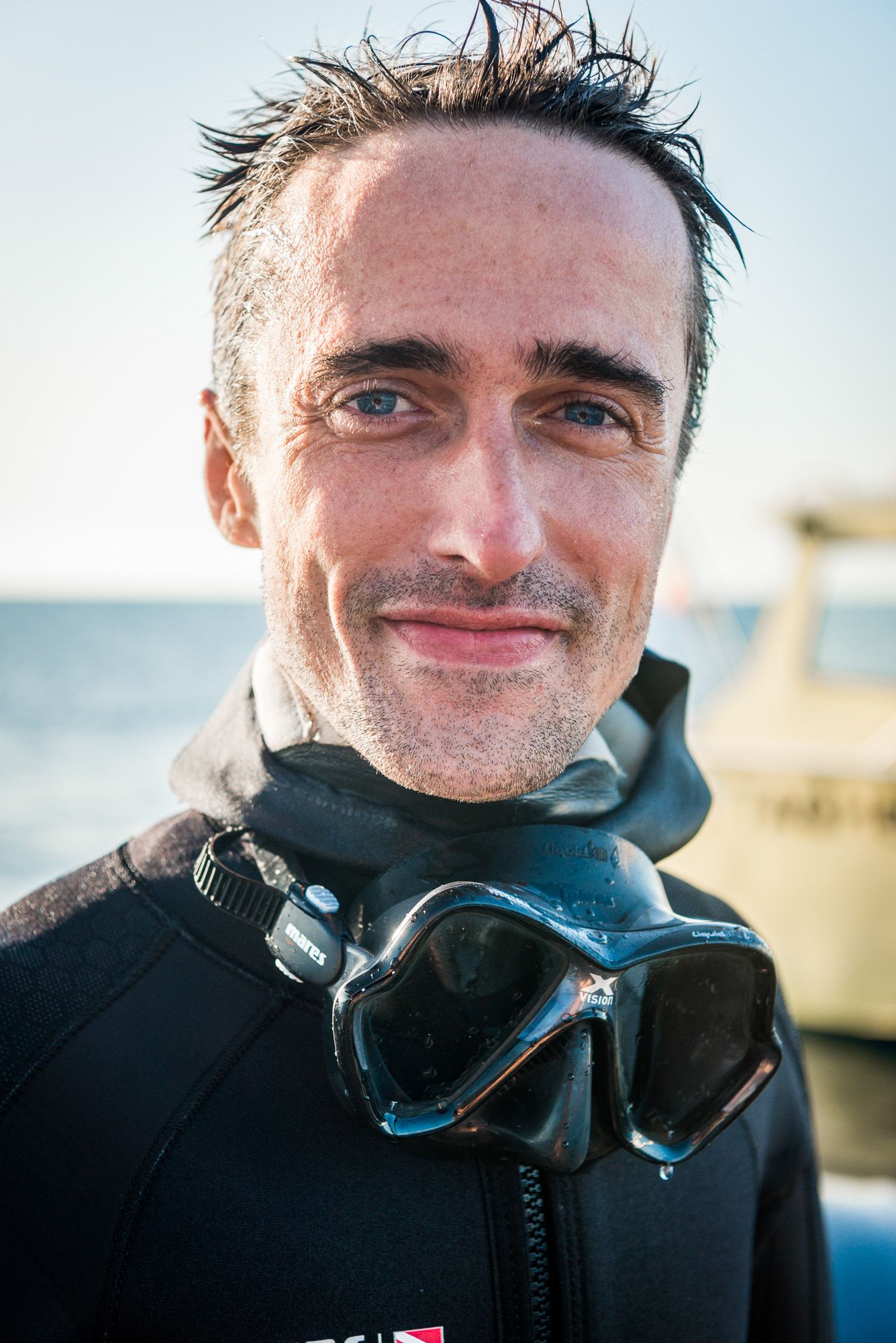
Dark spots in the clear seawater mark the sea-grass surrounding the island: posidonia oceanica, the main reason I’m here. Ibiza’s little sister asks consideration for the protection of this plant at 40 metres deep from the coast, that is slowly but surely disappearing by fishing boats and day trips from Ibiza that throw down their anchor into it. The sea-grass, that purifies the water, grows only 1 centimetre per year and has declined over thirty per cent in the past forty years. Biologist and National Geographic photographer Manu San Felix, owner of diving school VelliMar, takes us to have a closer look. Looking for new diving spots, he became fascinated by the beauty of the posidonia. ‘People still don’t really understand it,’ he says, standing at the helm of his boat. ‘We are dealing with the largest and oldest living being on the planet. It holds back the waves, protects the reefs, supplies oxygen for us and is the breeding ground for millions of creatures.’
We drop anchor, drop ourselves overboard and descend. Mesmerized, I look at the field of greenish grey stalks at the bottom of the sea, gently flowing back and forth. Before I have realised it, I find myself in the middle of a gigantic school of barracudas. These predators, with their teeth sticking out and a torpedo-shaped body, I know only from the Caribbean, where they live in solitude. I have never seen this many together. The fish seem to be undisturbed, and let us swim along as part of the school. Then I see Manu hanging close above the seagrass. He opens his eyes wide, points at his goggles and then at a small yellow creature with a bright orange belly, about half a meter away from his nose. A seahorse! These rare creatures are almost extinct. Joining us on this expedition is Pierre-Yves Cousteau, who, following in his father’s footsteps, studies the health of the seas with Cousteau Divers. ‘What a dive!’, he calls out, while we climb aboard. ‘I hope Formentera continues its plans and makes this into a protected sea area, making sure this beauty is maintained.’
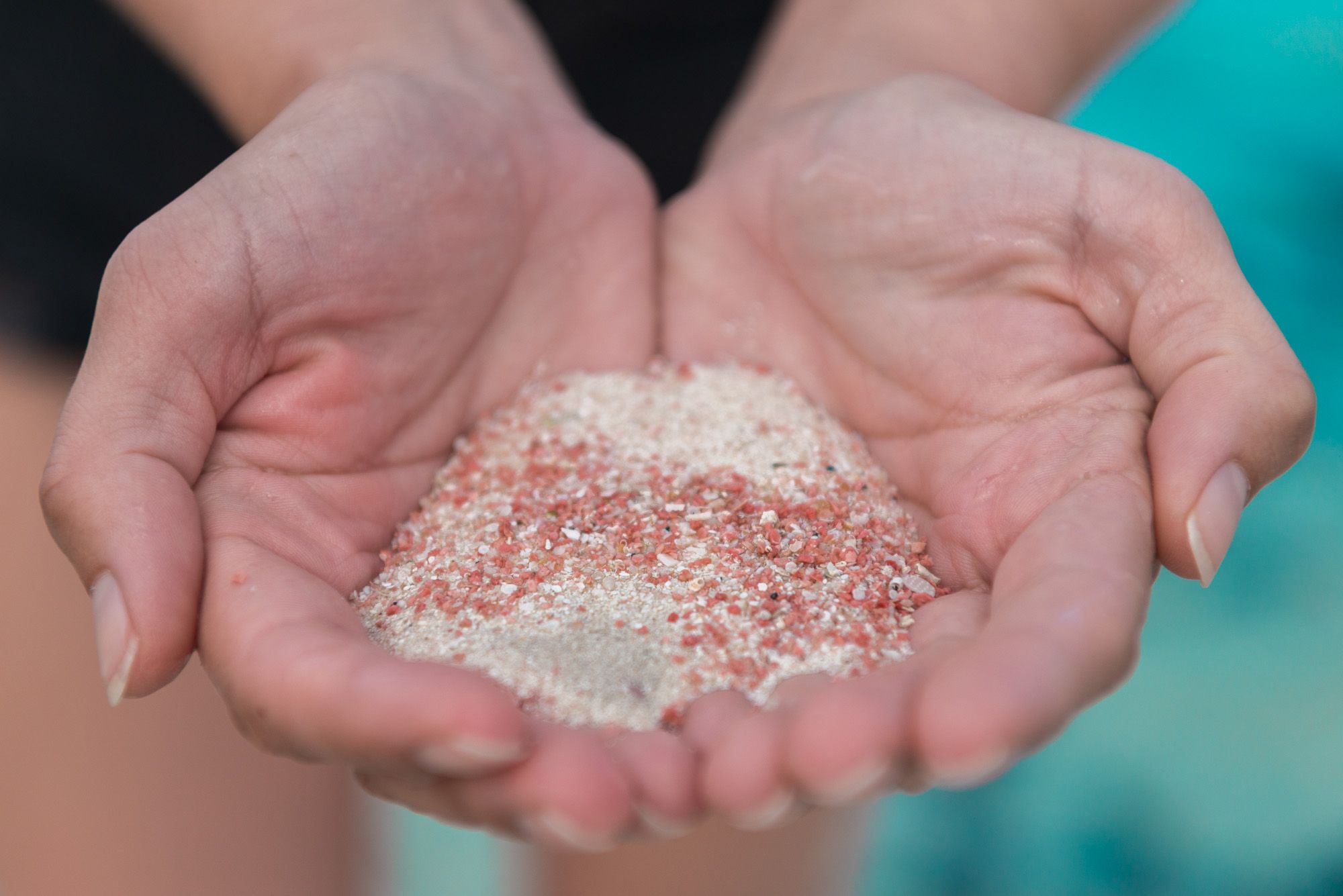
With a belly full of wine and paella, I plonk down on my towel on Ses Illetes, a white sandy beach at the most northern tip of the island. It overlaps from both sides into a long, white point into the sea, and has been named most beautiful beach of Europe multiple times. I look out over the crystal-clear water. It’s sleek and still, like that of a pool. This morning’s dive and the conversations with Manu have made clear the seagrass is not only a refuge for endangered animals like seahorses, but is also responsible for the island’s idyllic coast. Pink stones in the surf shine in the brilliant white sand. Both originate from the millions of animals that hide in the grass.
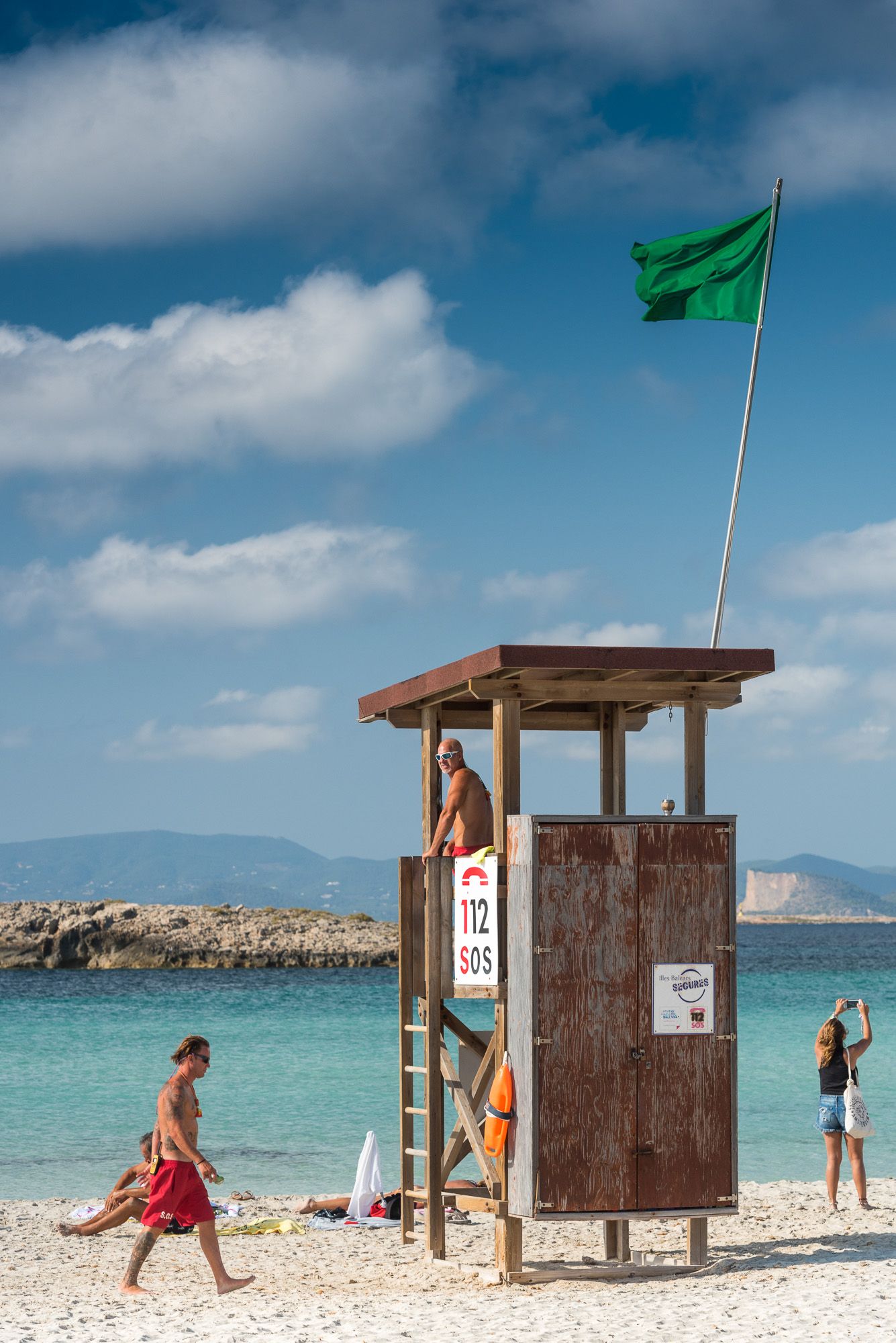
I wiggle my toes in the powdery sand and watch how an aged lifeguard does push-ups in his wooden watchtower. Next to me is a naked elderly couple. A topless mother walks past, feeding her two-year-old breastmilk. ‘The nudity at Formentera is a leftover of the many German and American hippies that conquered Ibiza and Formentera in the sixties,’ explains young politician Alejandra Ferrer, who is closely involved in the posidonia project. ‘Like my mother, from Germany.’ She points towards the boats that float in the distance in the bright blue water. Not above seagrass, a good sign. ‘There is an app for skippers to reserve a buoy that makes sure they won’t do any damage.’ Measures like this one have been taken to hopefully restore the posidonia to its original state in 2030. And that means that for now, you don’t have to travel to the Caribbean for tropical beaches.
The island officially has 21 beaches: from tiny rocky bays to vast sandy beaches. Take the extensive, free map from the ferry, in which you will find a description of all beaches.
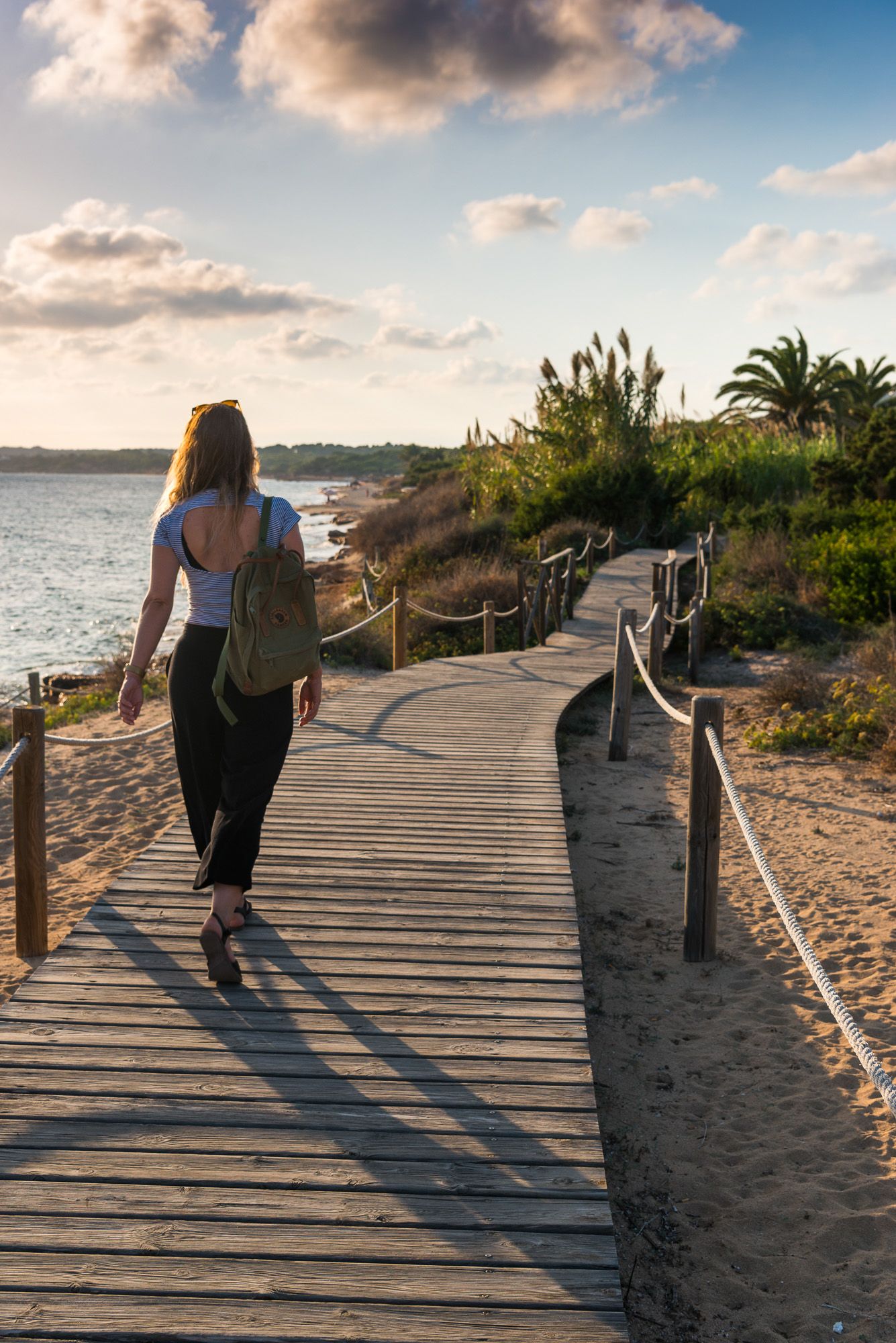
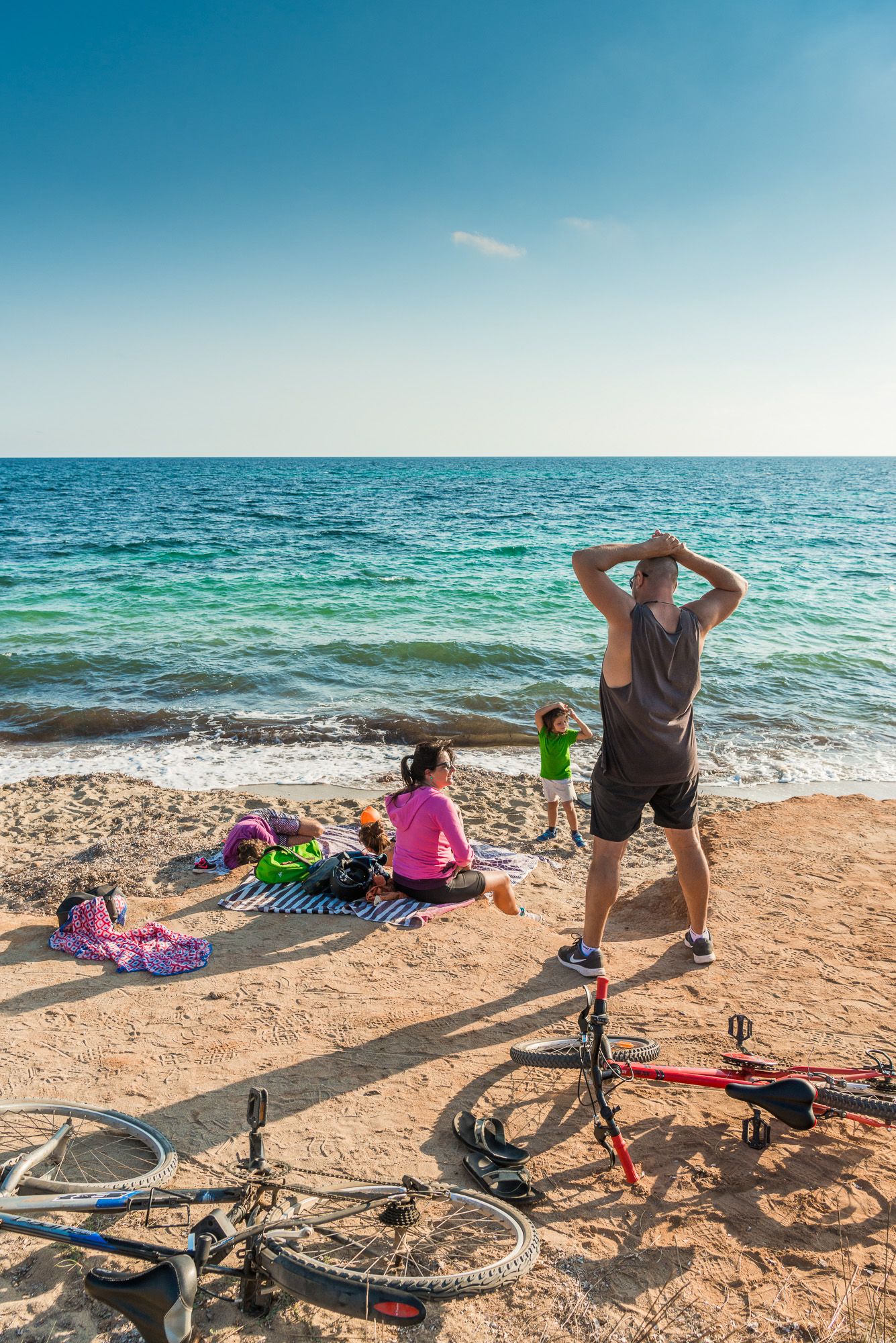
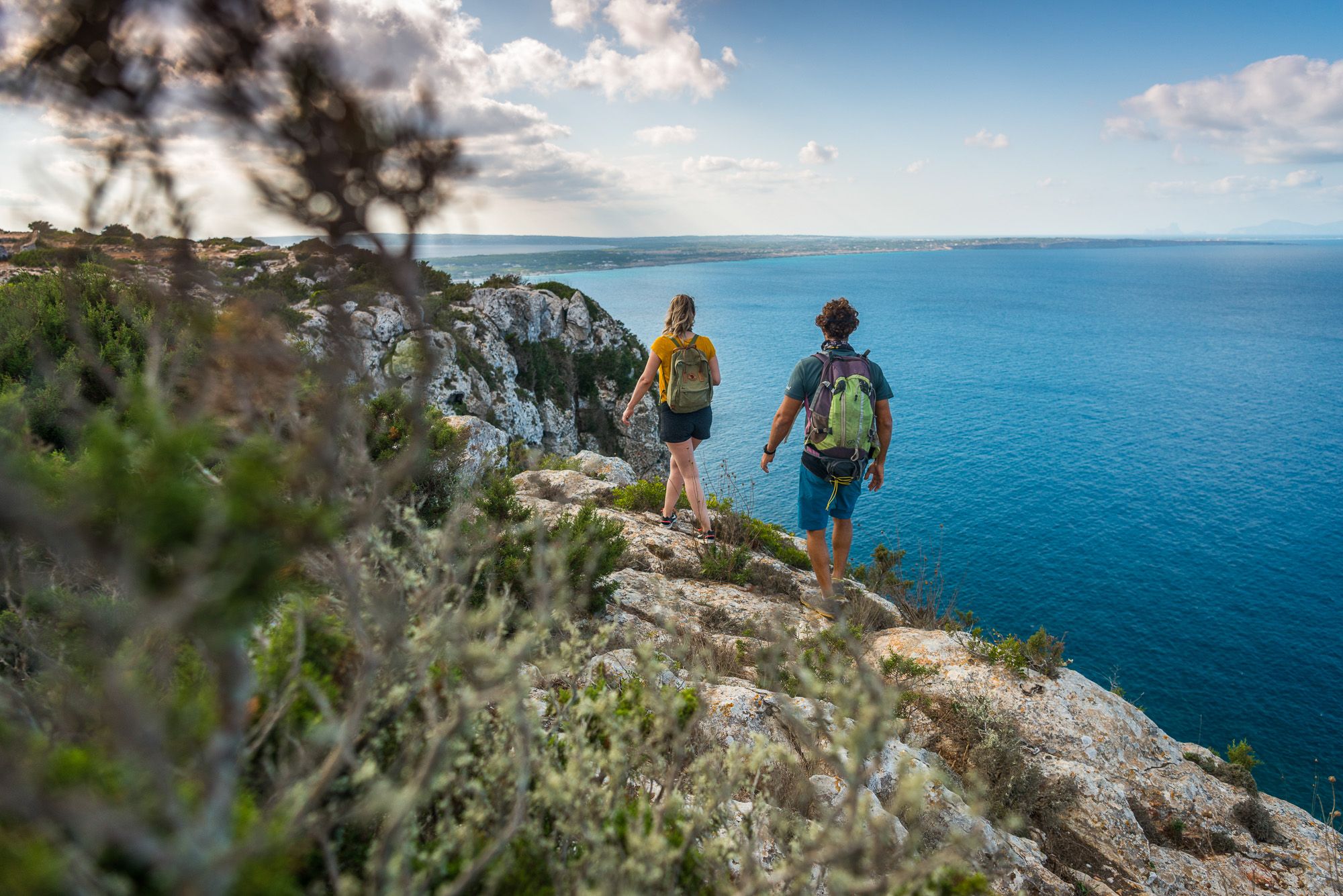
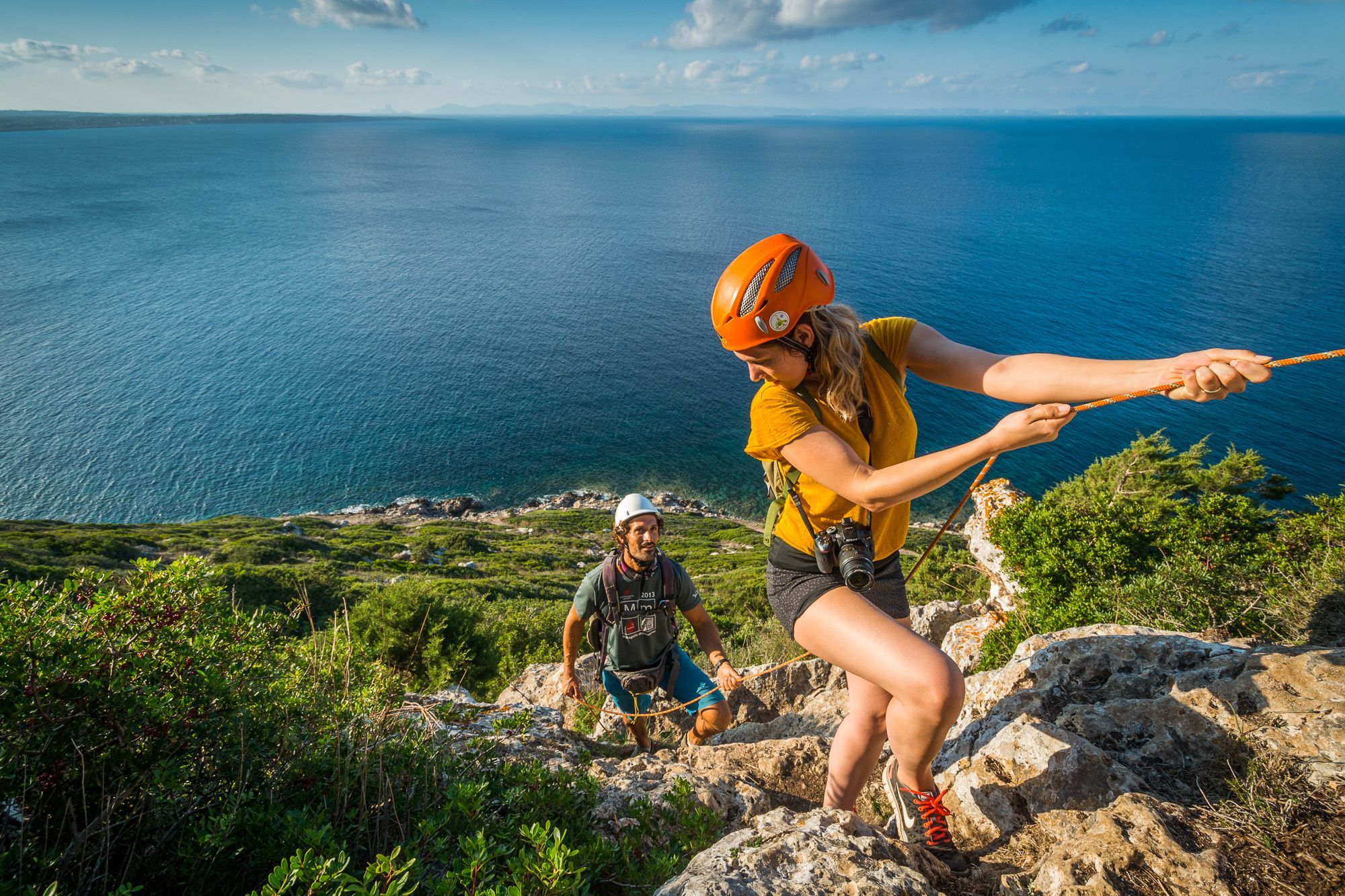
The sustainable character of the island does not only manifest itself in care for the seagrass. Formentera invests in electrical cars – note the colourful Citroën E-Meharis you see driving everywhere – and stimulates visitors to discover the island by bike or on foot. Wooden elevated paths characterize the dunes filled with pine and savin trees along the beach, to protect the vulnerable vegetation. I want to experience the nature from up close and guide Dani takes us to a series of unknown caves on the east side of the island. A mountain road winds upwards towards Pilar de la Mola, the highest point of Formentera at 192 metres above sea level. The forests become denser, the panoramas wider. We take a side road. Armed with ropes and helmets, we walk towards the start of the route. Lizards flee away from our feet. We pass walls that are over four thousand years old, remnants of the first people inhabiting Formentera.
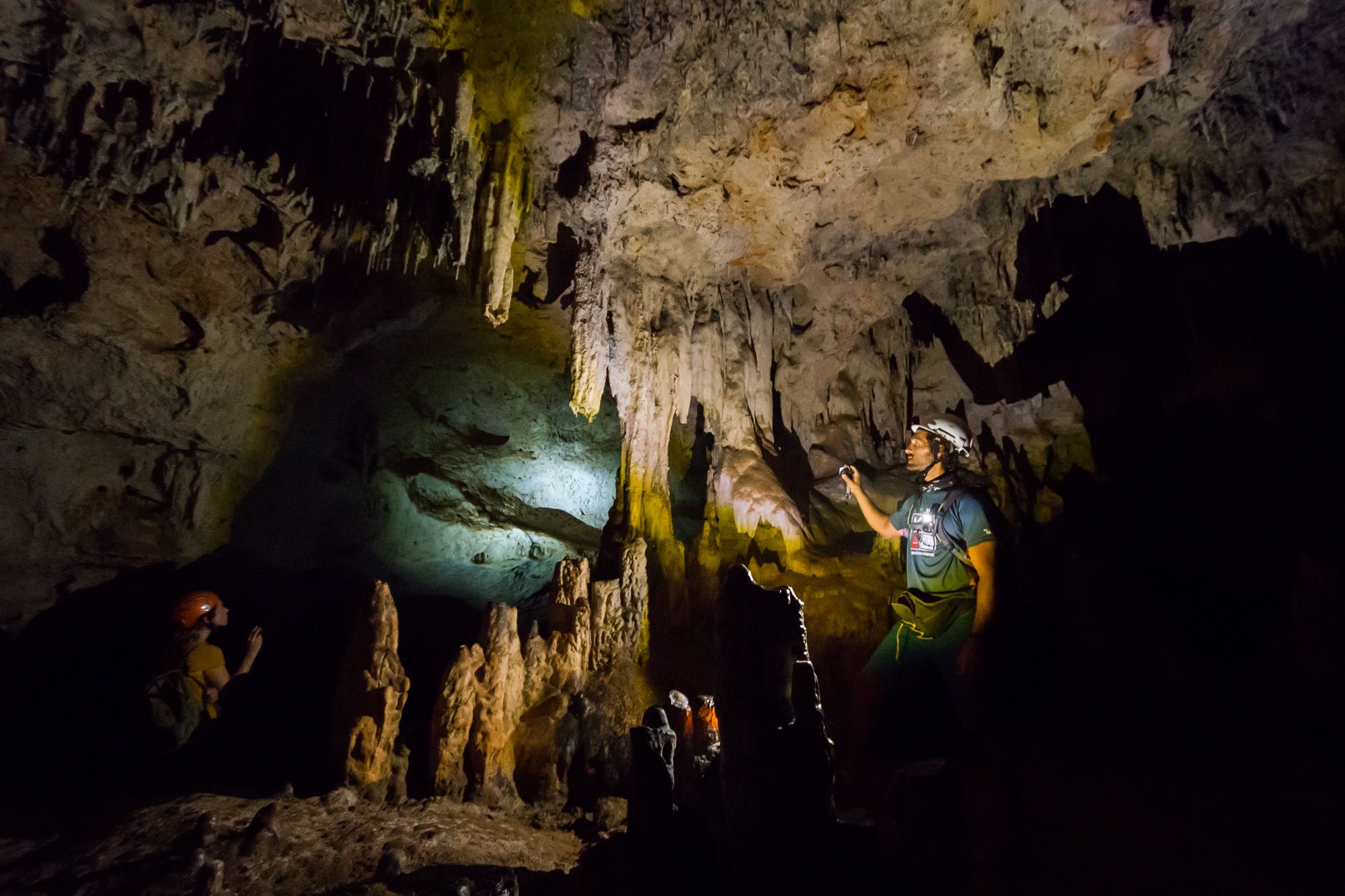
Grey rocks covered in a green blanket of vegetation slowly descending into the blue sea give the island a completely new look. More adventurous. We climb our way down, behind Dany, towards a series of seven caves that are interconnected. Via a small entrance, I squeeze my way into the first cave. A beam of light reveals the enormous size of the cave. There is an old mattress on the ground. ‘About 10 to 15 years ago, people were living in these caves’, explains Dani. ‘The post-hippies.’ We climb and scramble over the rocks, through narrow openings and sticky bushes, until we reach the final cave, which is hundreds of meters deep. At the ceiling, reaching up to ten metres, we see gigantic stalactites. After half an hour of climbing in the darkness, we re-enter daylight. The sun is low. Without saying a word, we look out over the coast of Formentera. The dark spots in the sea are even more visible in this light. I think about the seagrass. What would Formentera look like without the protection of this 100.000-year-old organism? I hope I never find out.
On Formentera.es you will find the complete travel guide on Formentera
For outdoor lovers, there is plenty to do on the sustainable island. Discover all the corners of Formentera by following one of the 32 well-marked green routes on the island, which were opened in 2015. All paths, varying from an 8-minute bike ride to a 180-minute hike, are interwoven into a long route of over 100 kilometres. Download a catalogue with all the routes on Formentera.es. Would you rather discover alternative hikes with a guide? Book a tour with Dani from Walking Formentera
Sustainable paradise
Formentera is sometimes called the last Mediterranean paradise, because of the unique and successful way they have combined tourism with the protection of the environment. For example they organised the seagrass festival, and the government has great plans to expand the use of electric cars. There will be more charging stations, special parking spots and drivers will be rewarded with free access to nature park Ses Salines.
Gastronomy
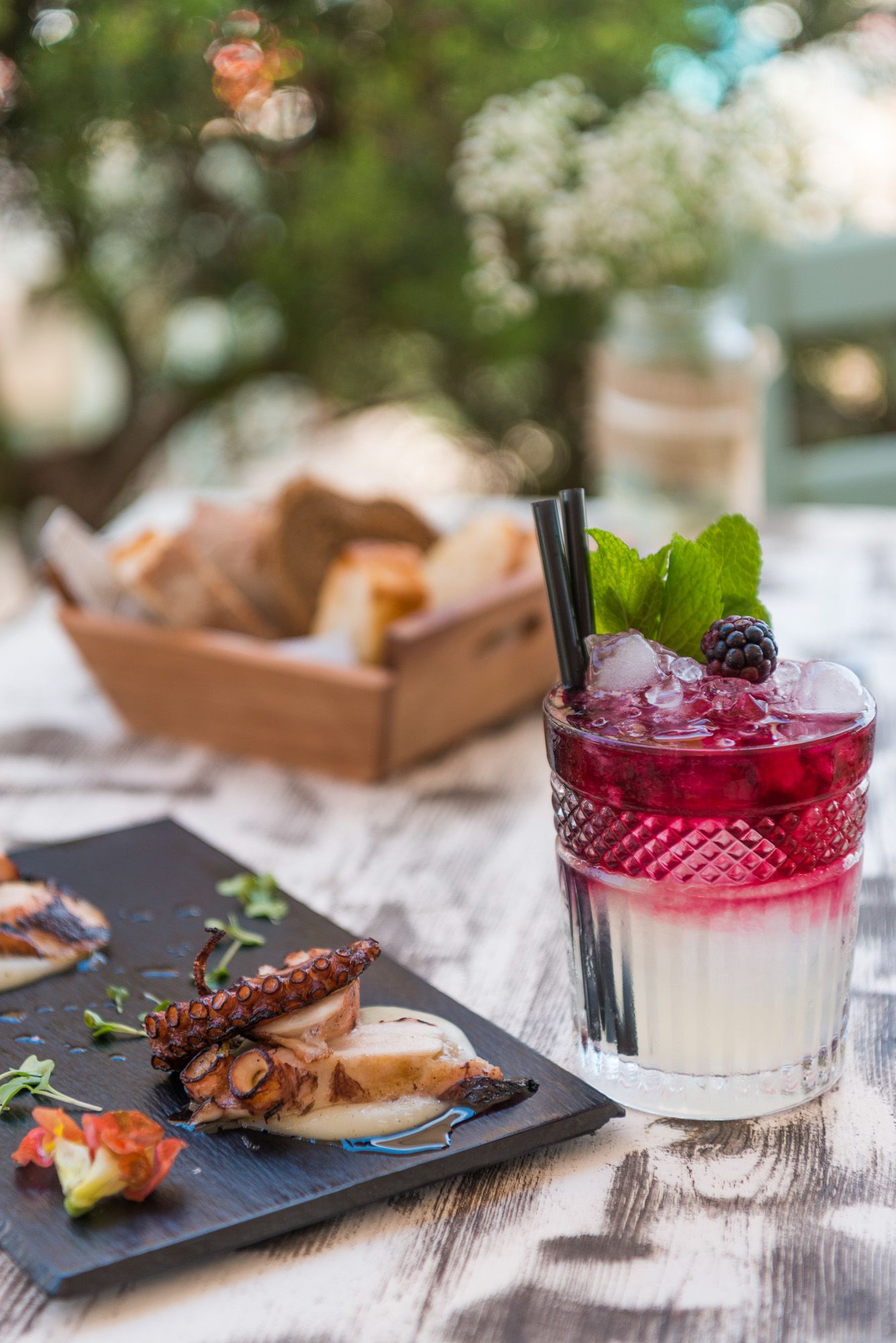
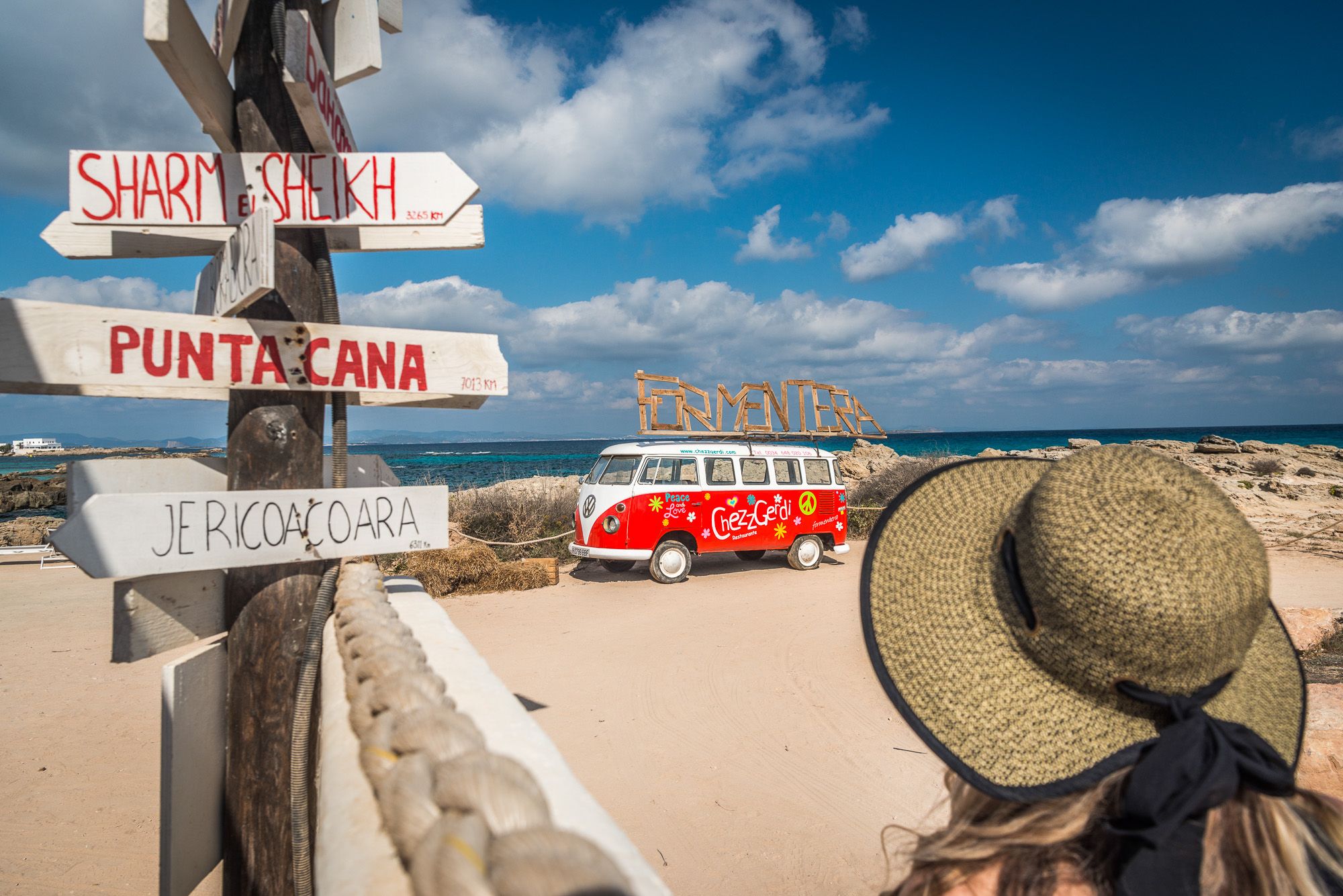
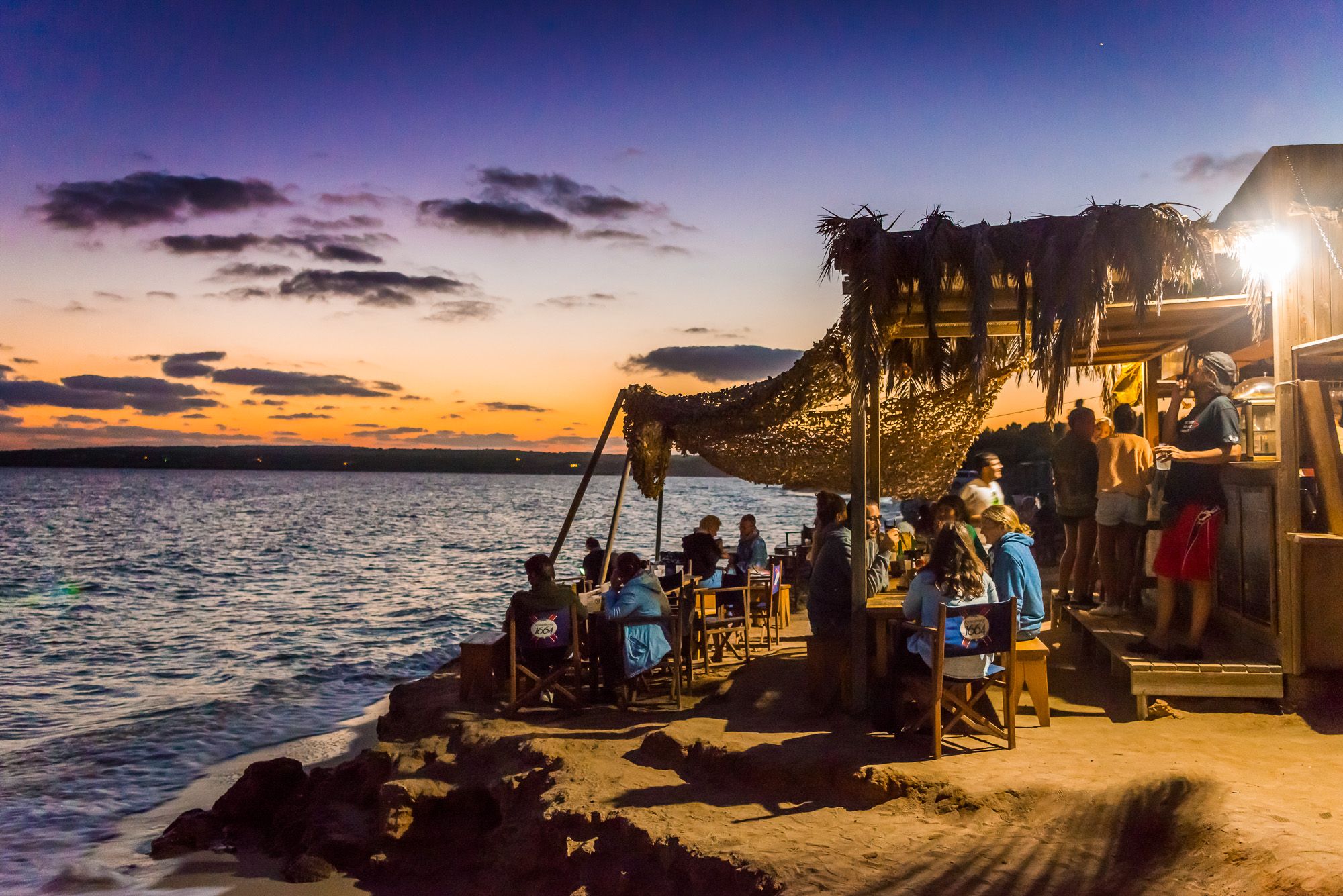
At lounge and cocktail bar Chezz Gerdi, you lean back on bleached wooden benches, with sea views, while you are served the very best of the Italian and Spanish kitchen. Sa Platgeta, very popular among locals, is the place to go for excellent seafood under olive trees. For sundowners, you have to go to Kiosko 62: a wooden shack on the Platja de Migjorn, where Formentera’s hippie community assembles to see the sun set in the sea.
Love what we do? Help us keep sharing the world’s most inspiring travel stories. At WideOyster, we believe in adventure, authentic storytelling, and capturing the world – raw, real, and breathtaking.
We travel far and wide to bring you stunning photography, in-depth travel journalism, and immersive stories that inspire and inform. But this doesn’t come free. It takes time, passion, and resources to keep WideOyster running without paywalls or clickbait – just pure, high-quality travel content.
If you love what we do, please consider supporting us with a one-time contribution.
Click below to support us and be part of the adventure.
©WideOyster, 2026. Every journey we share is protected by copyright. Please explore and enjoy, but remember: all rights reserved.
WideOyster Media BV
Jacobsgasthuissteeg 11
Utrecht
The Netherlands
Just like every trip needs snacks, our website needs cookies to function. Accept our cookies and let the adventure begin! Read our Privacy Policy.