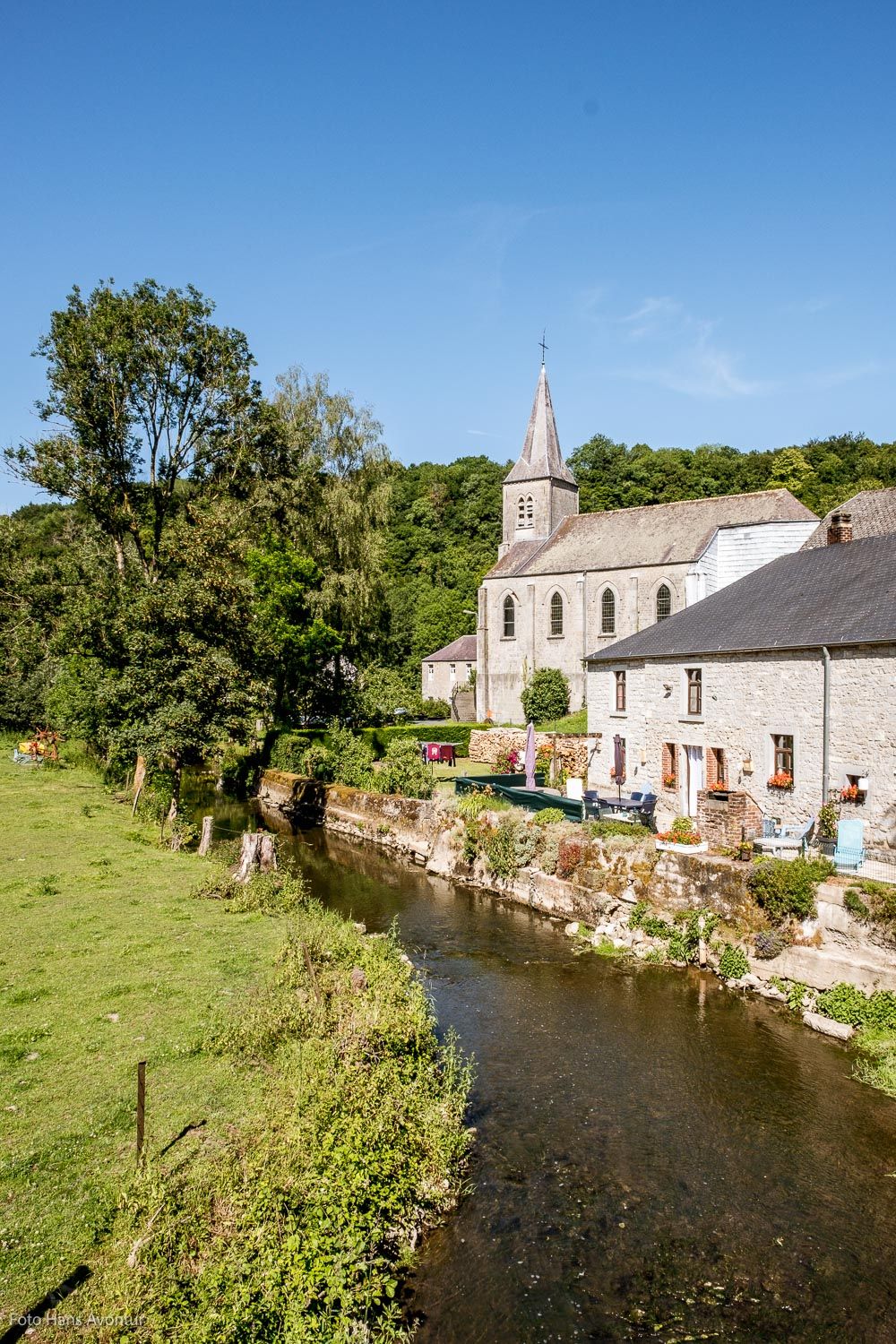
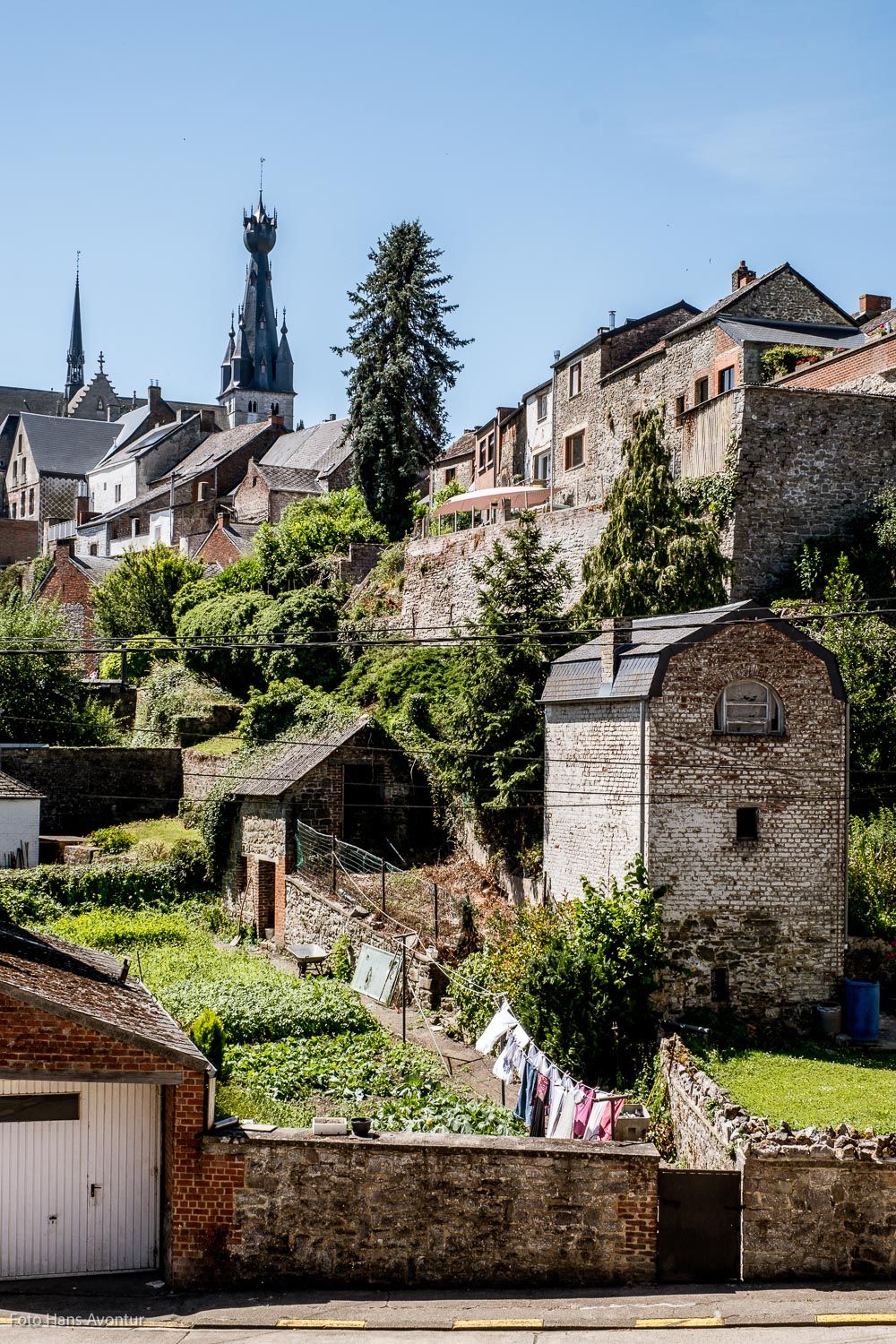
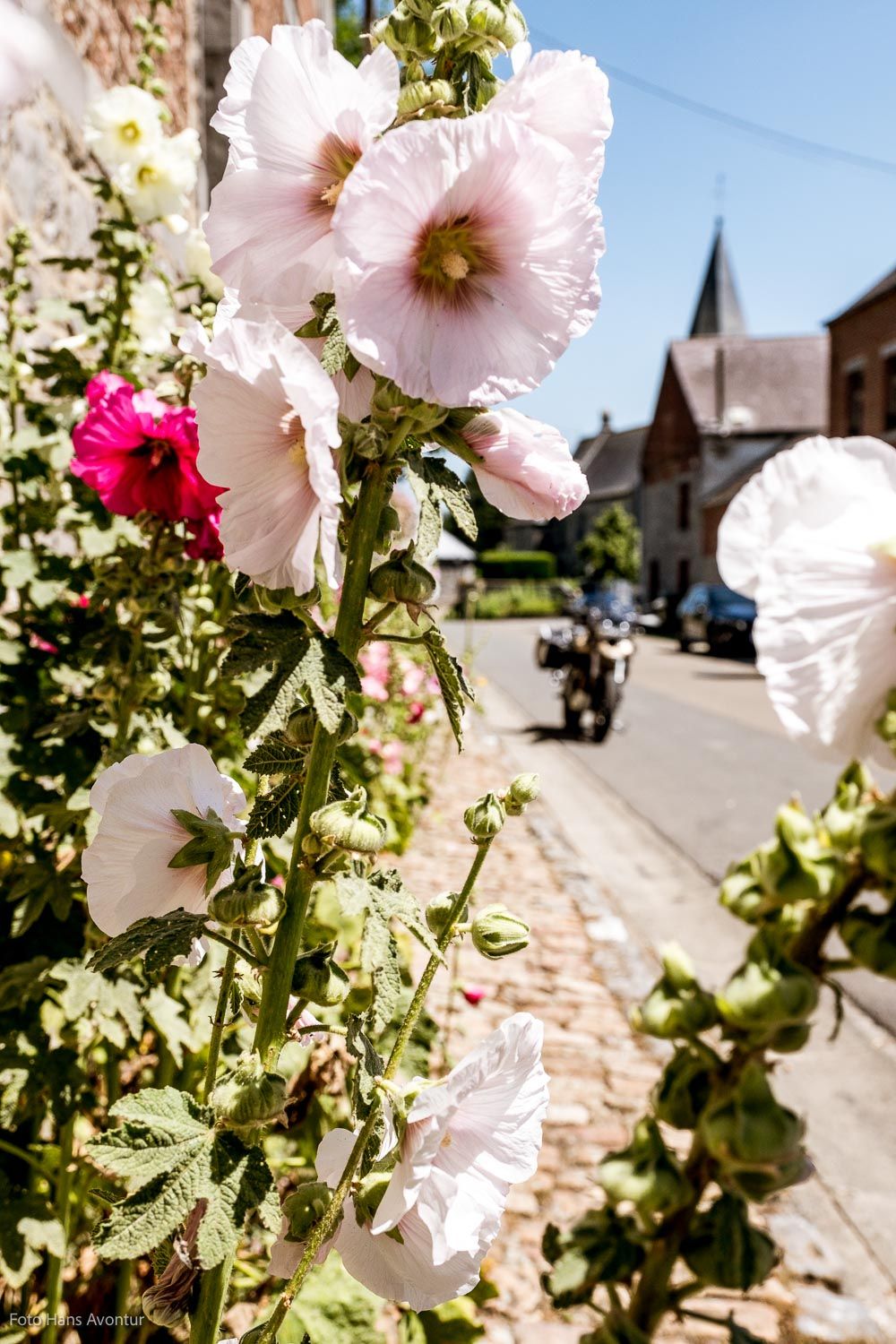
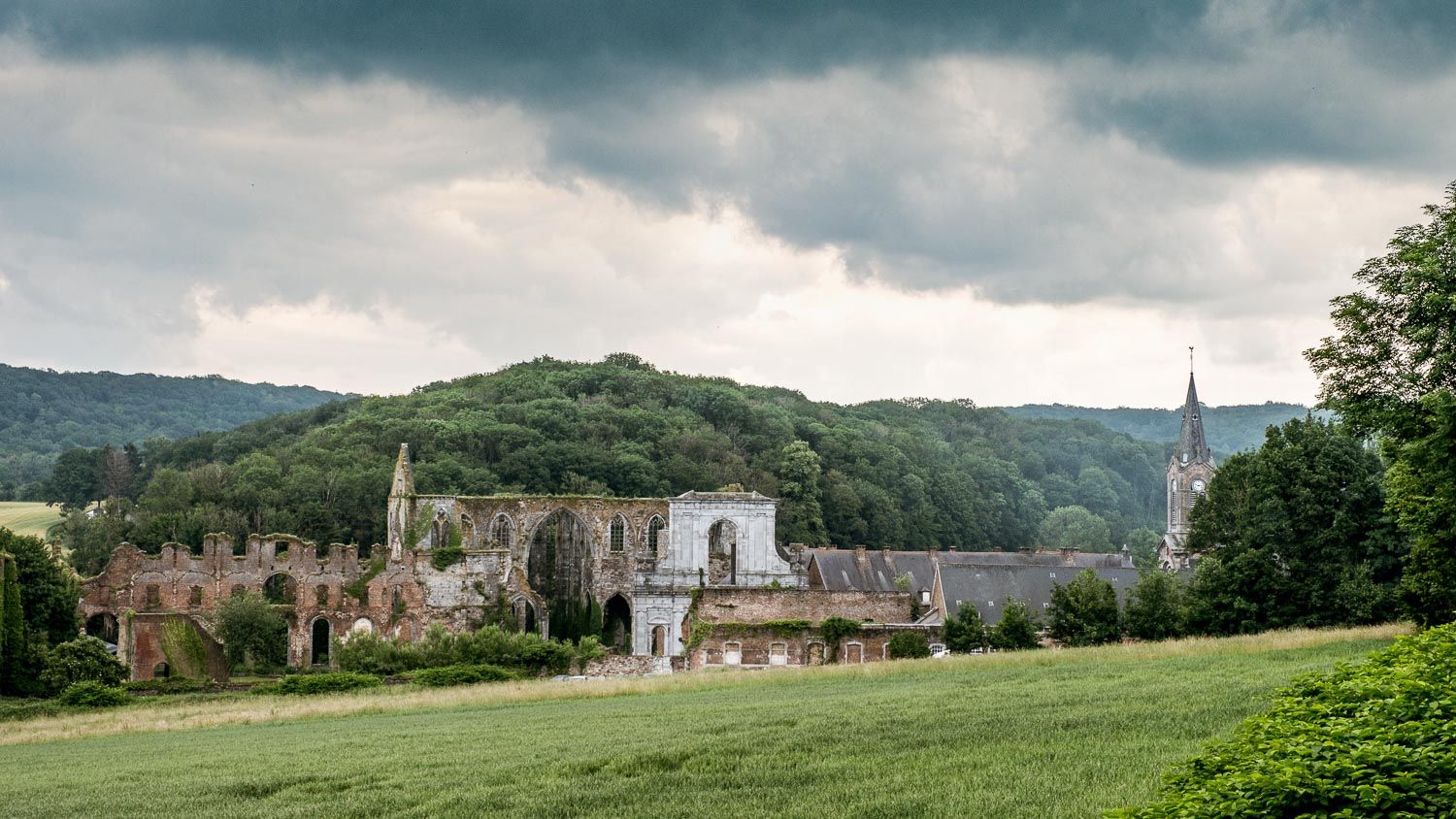
Base camp Lompret, a speck on the map with a handful of natural stone houses, a church, a small hotel, and one restaurant. A beautiful spot, worthy of a place on the list of thirty most beautiful villages in Wallonia. The region is a major supplier with not only Lompret but also Ragnies, Barbençon, Vierves-sur-Viroin, and Soulme. Pure beauty wrapped in simplicity.
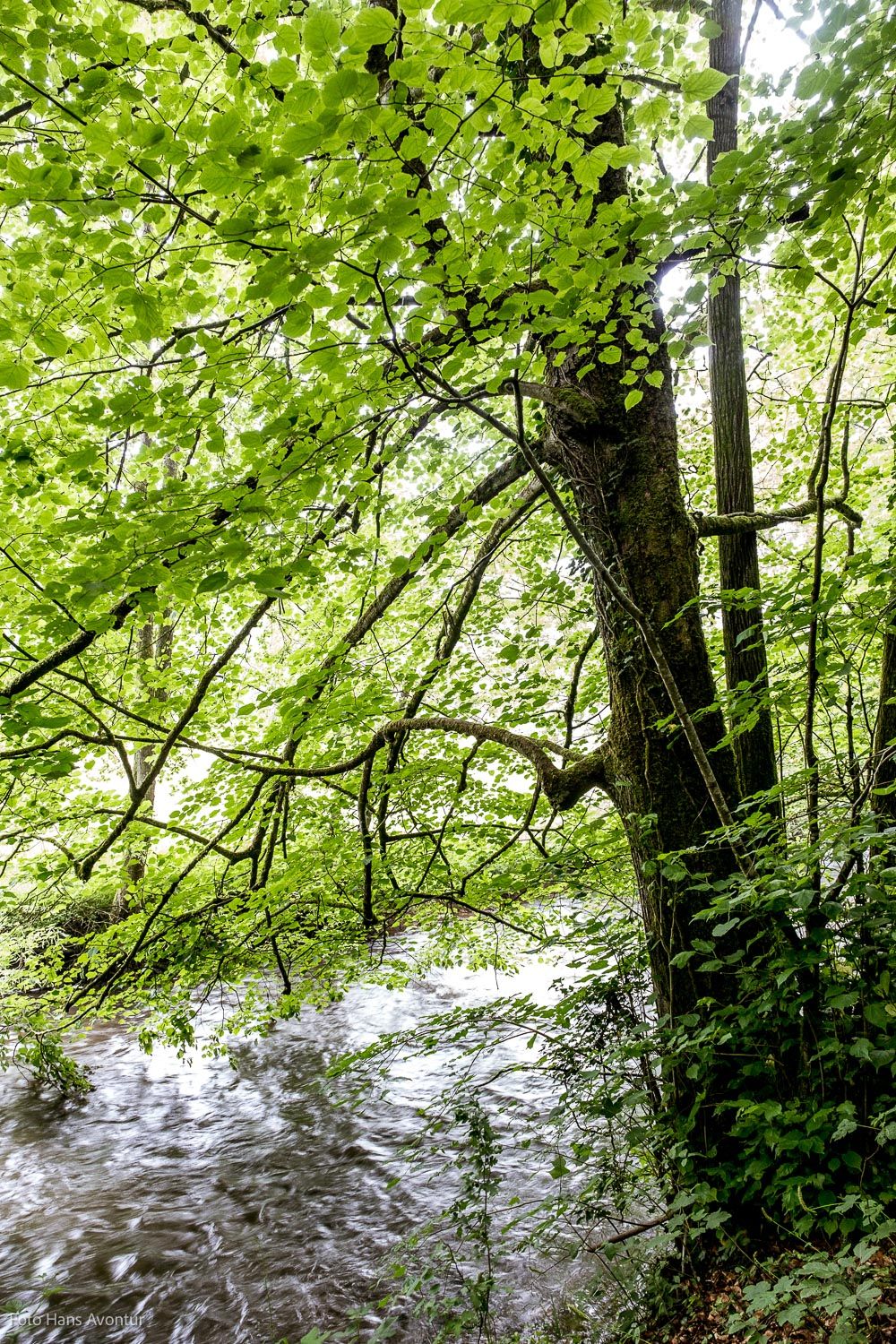
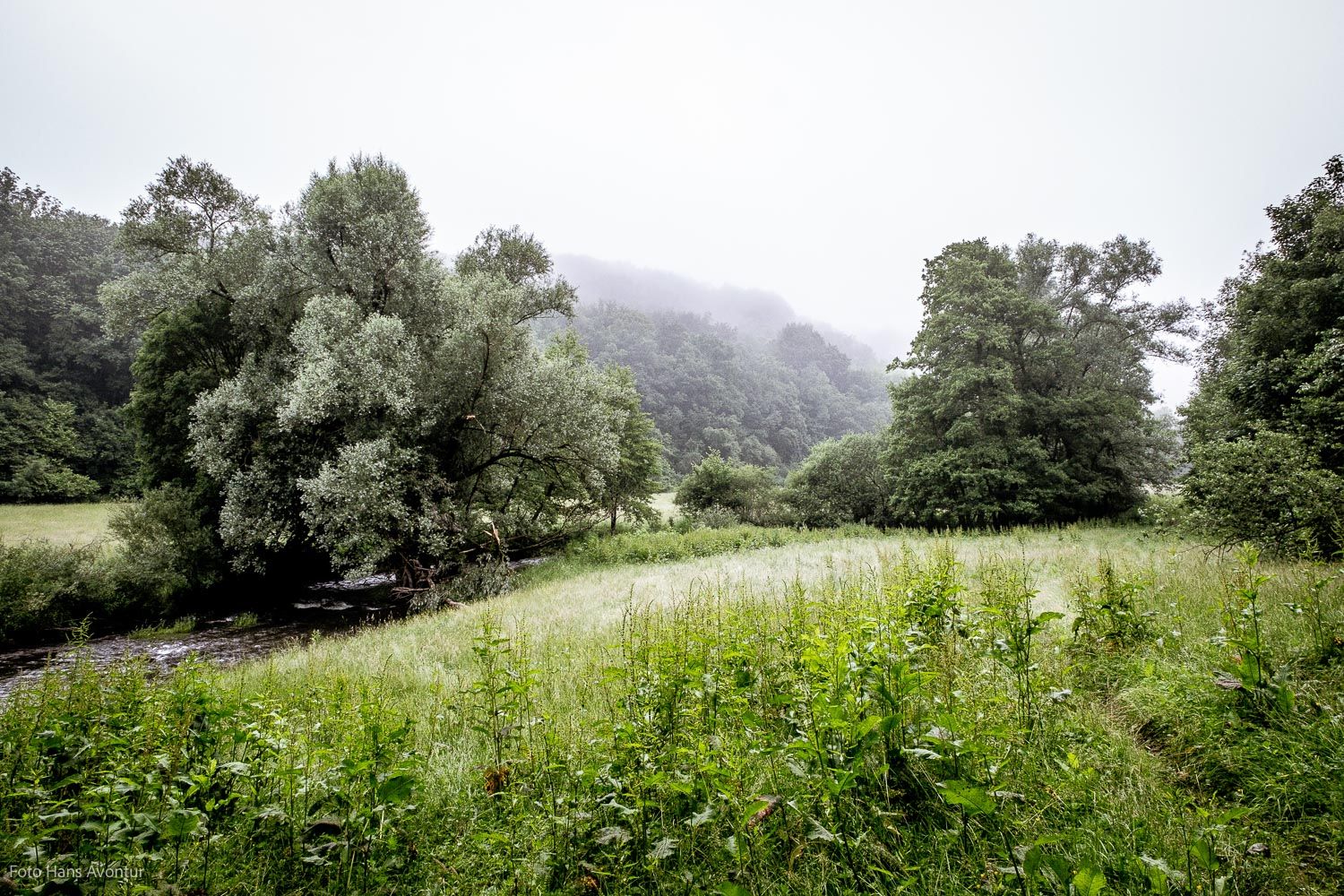
Tranquility lies like a down comforter over Lompret. The water of l'Eau Blanche ripples through the village. With great patience and a sense of beauty, it has carved a valley in the rolling hills. I climb to a viewpoint above the village. Sitting on a boulder, legs dangling above the depth, I wait for the setting sun to color the sky. From soft pink to almost purple.
After this beautiful moment, I descend to find a table at the village restaurant, widely loved in the area for its honest cuisine at fair prices. The signature dish is not a complicated gastronomic artwork that Michelin and Gault Millau are fond of, but a local product: escavèche, trout marinated in vinegar and herbs, eaten cold with bread and fries.
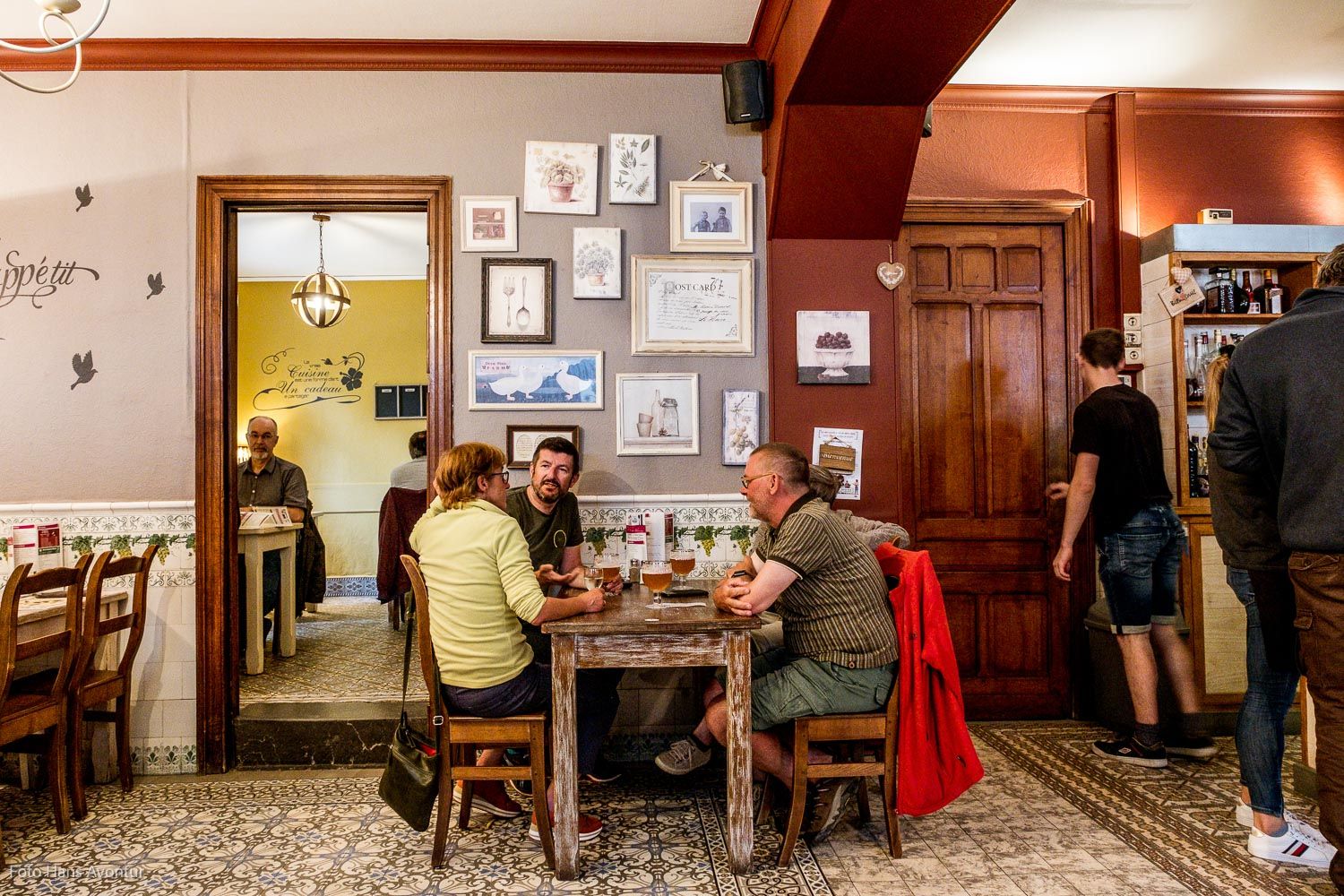
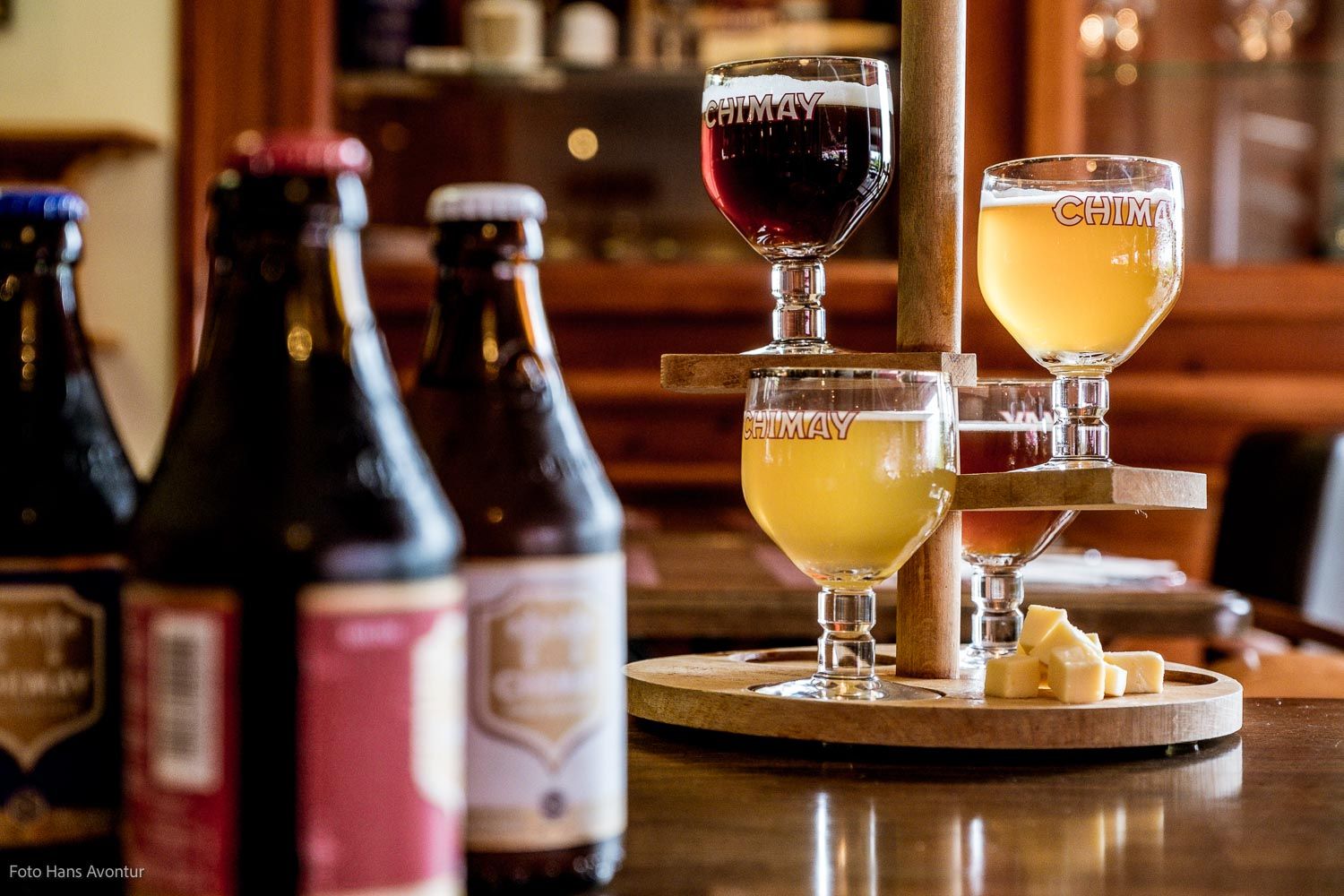
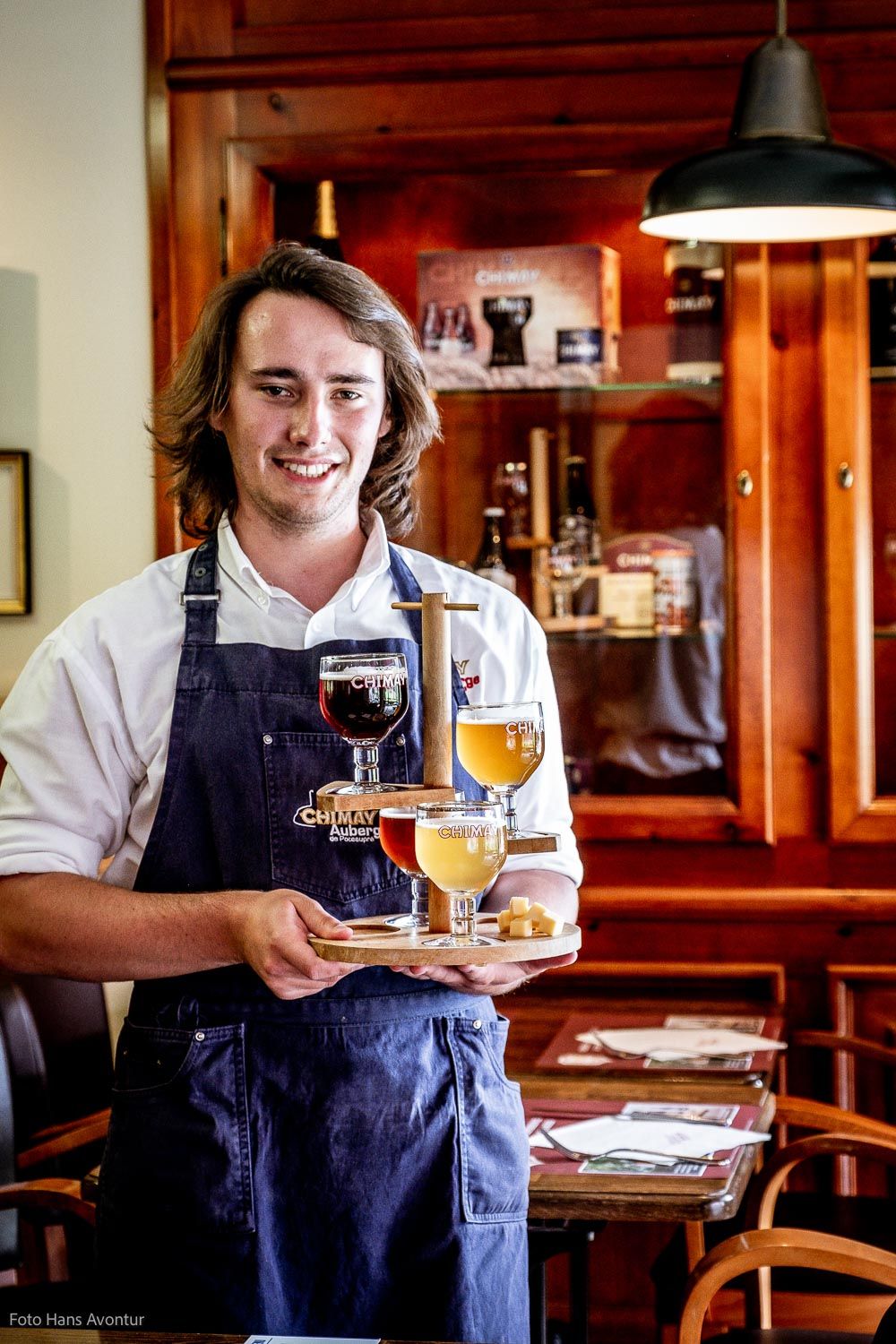
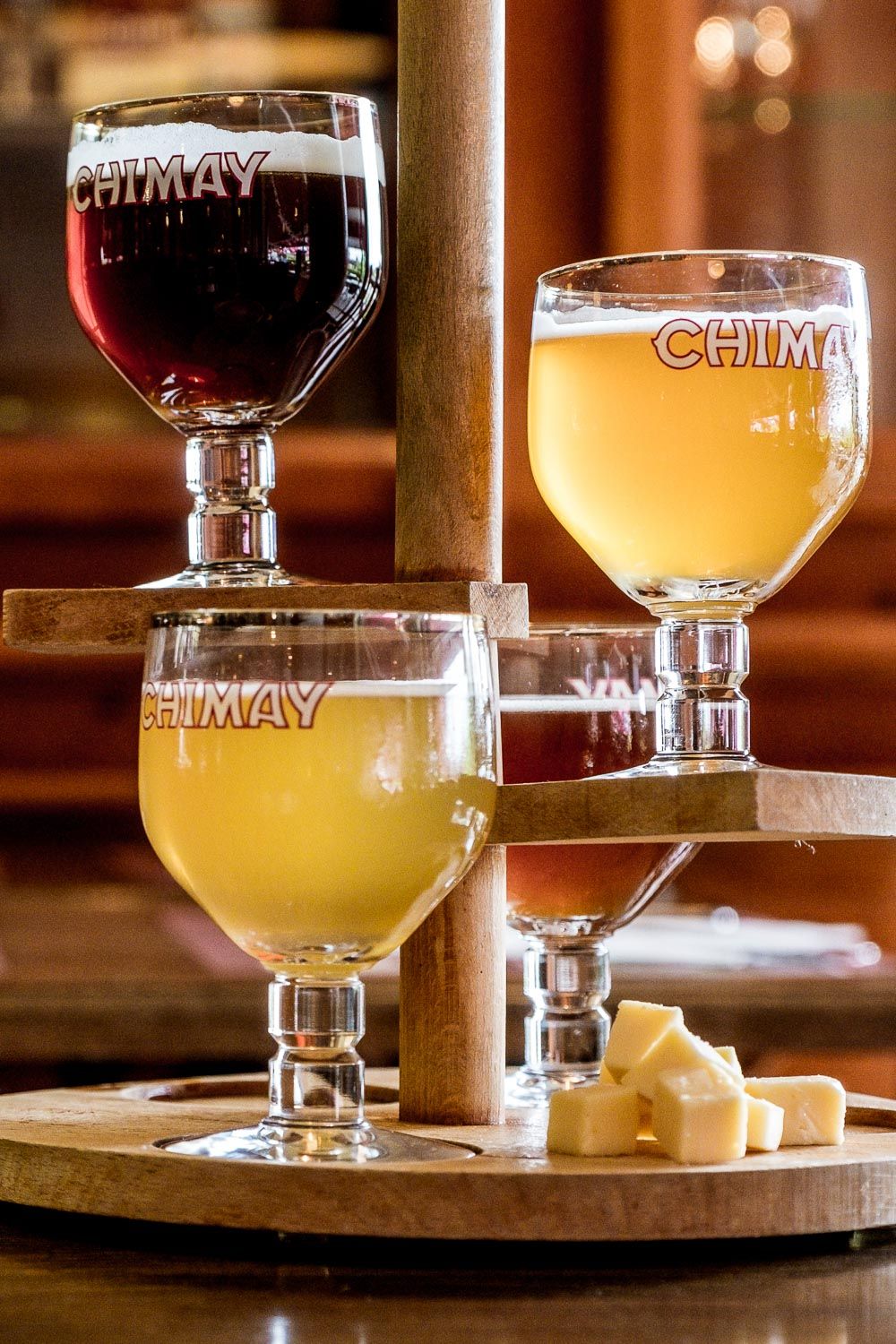
There's a relaxed atmosphere. Unhindered by outward display of hip and trendy. At the robust wooden tables sit friends and families with full plates. The local beer comes from large bottles of Chimay or Silenrieux. There's laughter, talk, and lots of eating. Through the open kitchen door, the smell of steak or vegetables occasionally wafts by, rising from the steaming pans.
On the wall hangs a saying that encapsulates the message of this evening: “"Don't wait for the storm to pass, but dance in the rain."”
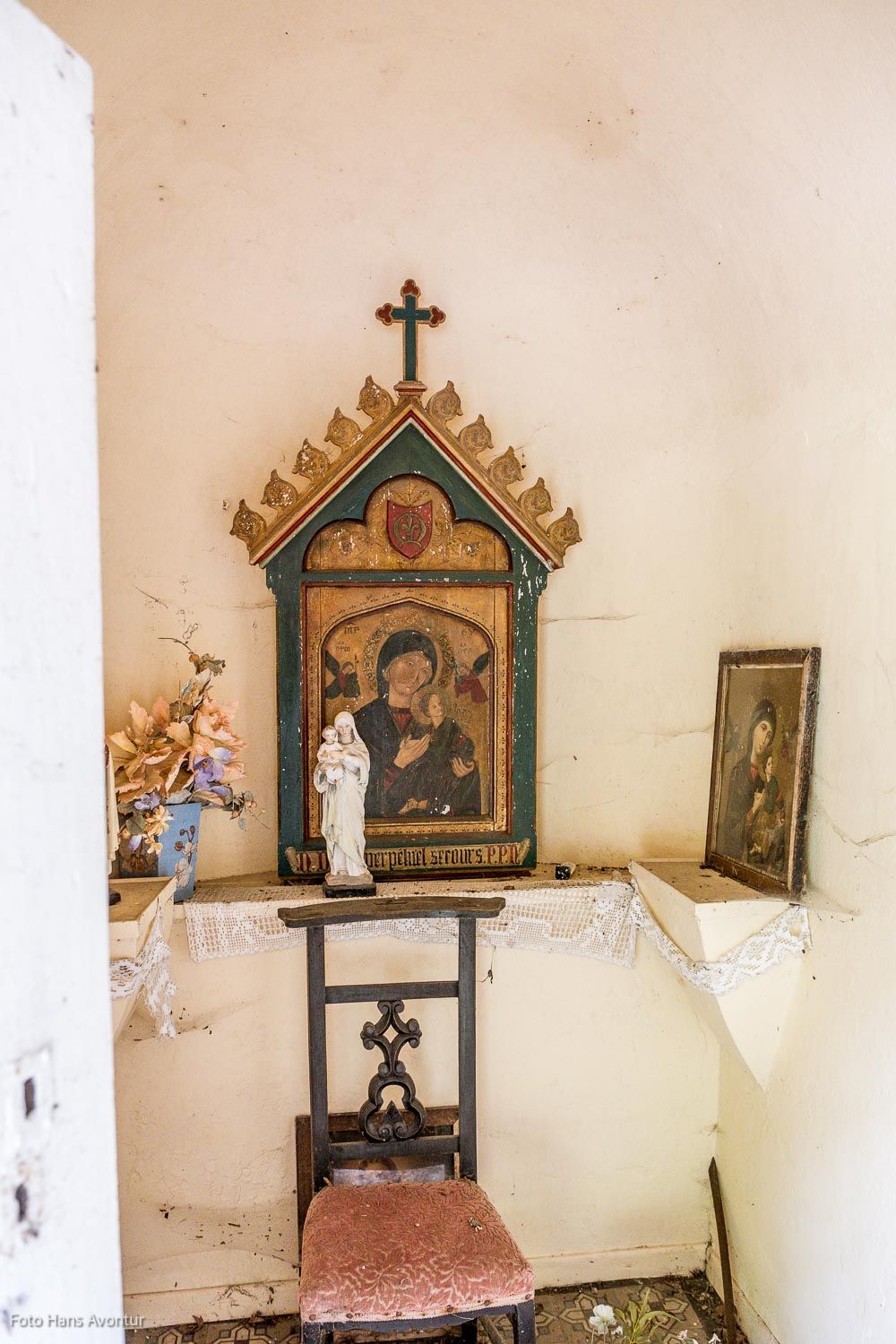
The next day, it's wonderful to wander along country roads without oncoming traffic. The road surface varies in quality and size. As it should be with small adventures. It takes me past villages, hidden country houses, hills, and peat land. Occasionally there's a chapel. Usually neatly polished, sometimes left to the mercy of time.
There's hardly anything left to see, but until deep into the 19th century, this region was the center of iron production. The soil provided iron ore, the forests the firewood for the furnaces, and the rivers provided the power for the hammers and bellows. During the industrial revolution, the role was completely taken over by the modern factories of Charleroi.
I wind my way to the Castle of Fosteau and then reach the aforementioned Ragnies, one of the five villages in the region that are on the list of Les Plus Beaux Villages de Wallonie. Ragnies owes it to its unadulterated authentic village image of church, houses, chapels, and fortified farms. All built with the natural stone from the surrounding area.
On the edge of the village stands the Biercée distillery, started in 1946 by six friends. Lacking copper, they made the first still from a launch tube of a sunken German torpedo boat. “"What started with an eau de vie has grown into a wide range of drinks,"” says Bénédicte Soupart, who gives me a tour. “"We stick to our traditions of using natural products, among other things, but we do keep up with fashion. So we also distill whisky and gin."”
We visit the small museum and the large barn with distillation kettles and finish in the tasting room. Bénédicte brings a frozen chalice-shaped glass with the drink that made the Biercée distillery famous in the eighties: the eau de villée, a lemon liqueur. I taste and immediately know what I'll order as an aperitif tonight.
For a special lunch address, I head north. Most sights along the way are small-scale and without pretensions. Driving through the hilly landscape itself is grand enough. It never gets boring anywhere. There's always a view, a special village, a sturdy castle or, as now, the ruins of an abbey.
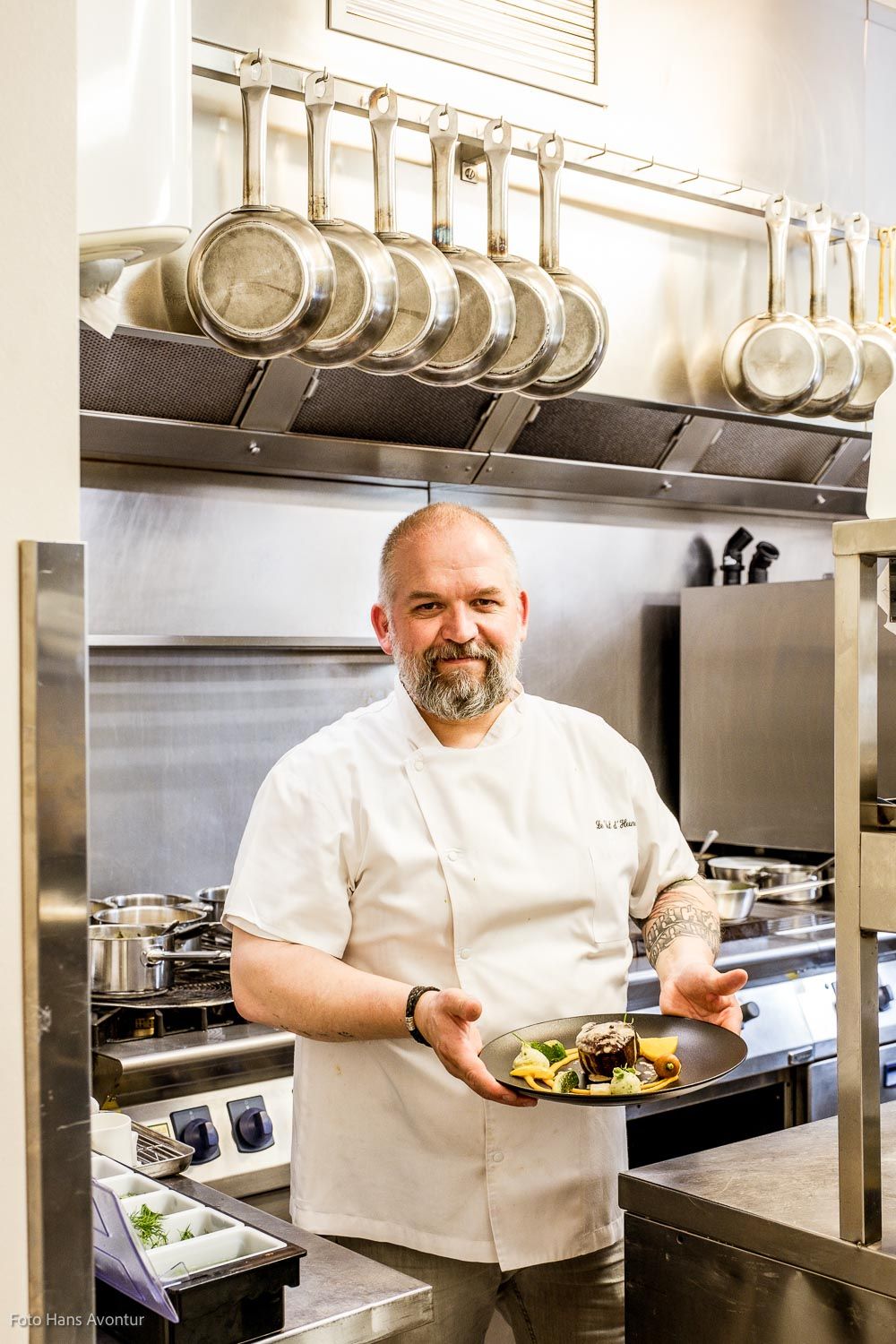
The route eventually brings me to Montigny-le-Tilleul. Just as the world starts to get ugly with large uniform business premises, traffic squares, and overgrown train tracks, there's the restaurant Le Val d'Heure of chef Dany Lombart, who made a name for himself in downtown Charleroi. 'I'm better off here,' he says. 'Quieter, easily accessible, and with a terrace by the water.'
As is often the case with top restaurants in Belgium, you can sit down for the lunch menu at a modest price. “"Compared to the new generation of chefs, my cuisine is traditional,"” Dany explains. “"You should be able to see and know what you're eating. Preferably with products from the area. Just think of the wealth we have here during the game season! The modern aspect for us is mainly in the presentation."”
He hasn't exaggerated at all. The dishes are small works of art. And they taste even better. The restaurant slowly fills up with couples, businessmen, and a family celebrating grandma's birthday. In the water of the Eau d'Heure, which runs past the restaurant, I see that it has meanwhile started raining softly. I wasn't in a hurry anyway, but any need to quickly go outside has now definitely disappeared, so yes, let's have a dessert too: soupe de cerises marinées, au lemon myrtle, cubes de cake au citron, sorbet de persil!
These are wonderful days in this often somewhat forgotten corner of Belgium. The reservoirs of l “Eau d” Heure still enjoy some fame, but otherwise... Take the Viroinval. It certainly belongs to the most beautiful valleys of Wallonia but due to the lack of a top attraction like Bouillon (Semois valley) or Durbuy (Ourthe valley), it remains virtually untouched.
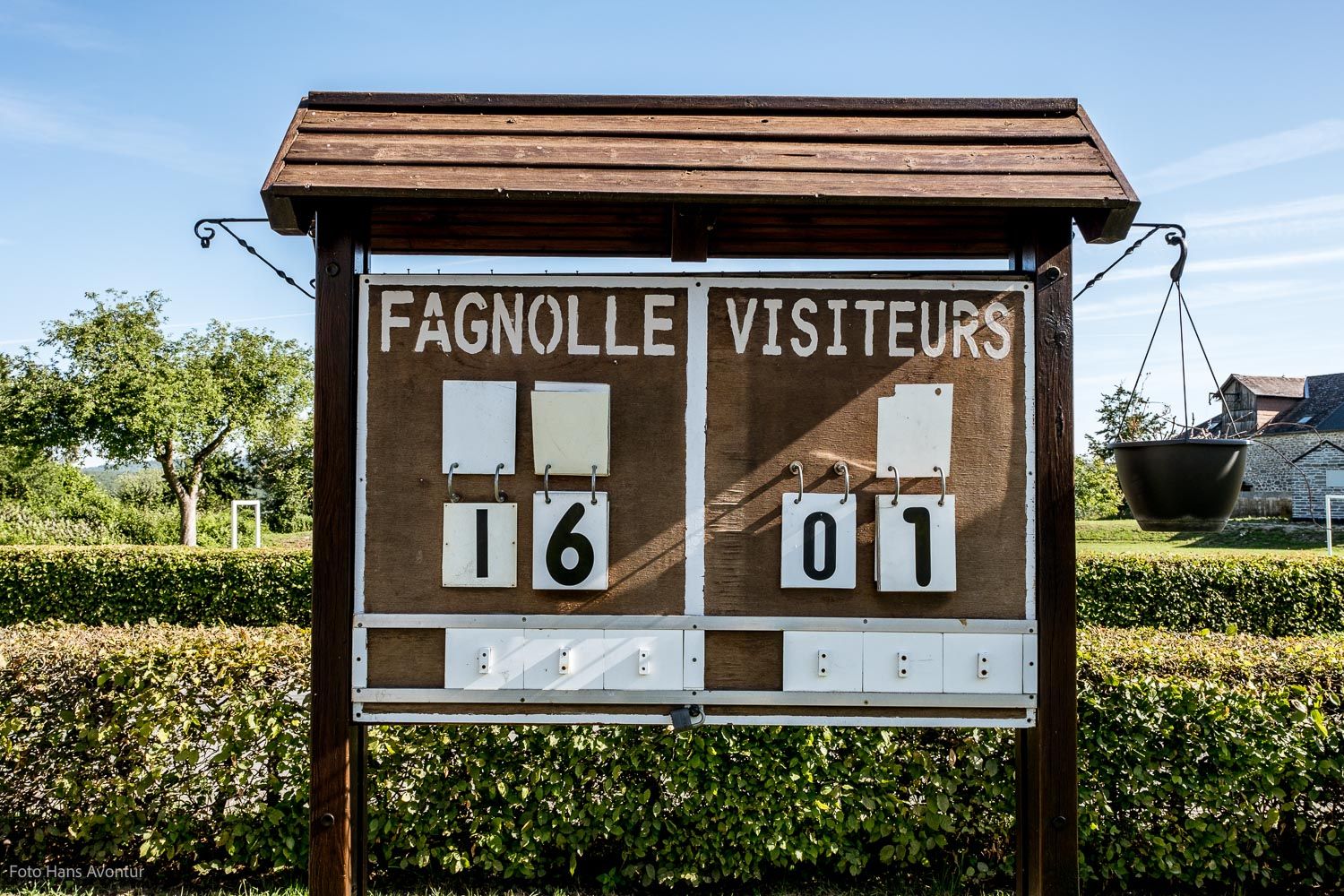
Up hill, down hill, I drive into the village of Fagnolle, an idyll of simplicity. On a small square stands a scoreboard. Fagnolle 16, Visitors 1. It has something to do with a played match, but it could also be about the number of people present. The landscape in the Viroinval undulates vigorously up and down. Which is good for the views. And thanks to the limestone subsoil, which erodes easily, the world looks soft and round.
I stop briefly for a beautiful view of Vierves-sur-Viroin, which is also counted among the most beautiful villages of Wallonia. A tour through the center leaves no doubt about that. Thanks to the castle, the houses have a certain allure. Anyone who wanted to live a bit 'in style' had to build something beautiful. In summer, a steam train departs from the old little station, running through the valleys of the Viroin, Eau Blanche, and Eau Noire.
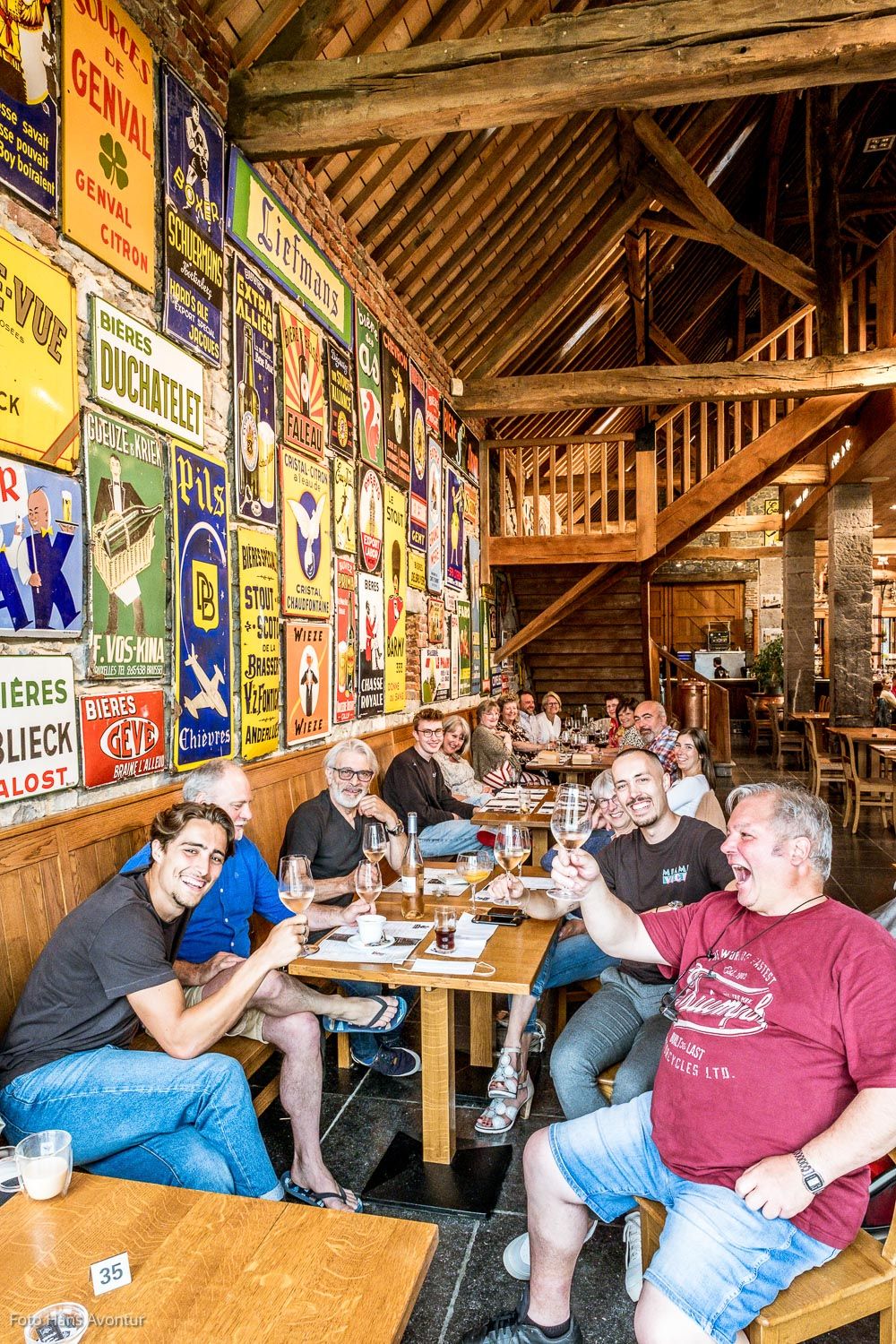
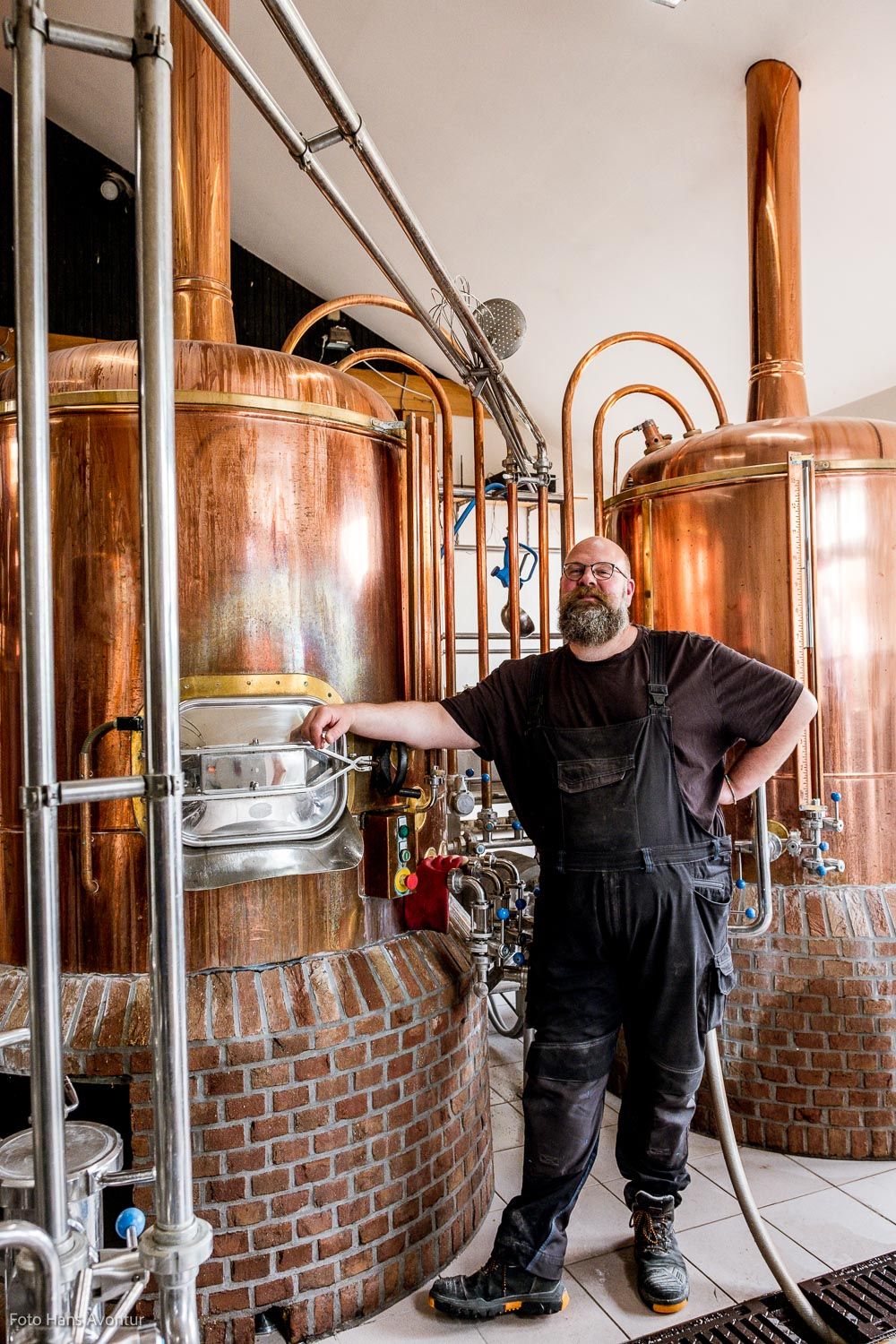
After Vierves-sur-Viroin, I visit the Brasserie des Fagnes, a local beer brewery. “"Tradition is our strength,"” says brewmaster Luc Piron. “"We don't do modern beers, but concentrate on the quality of, for example, our blonde beer, which has been popular for years."”
It's somewhat symbolic of the products from the region: good, honest, artisanal, and not relying on fads. Whether it's cheese from the farmer, beer from the monks, honey, mustard, or marmalade. “"It doesn't work any other way,"” says chocolatier Martine Vanliefferinge. “"Almost all businesses in the region are small-scale, and then you can only compete by offering quality."”
At chocolaterie Vanlieff's in Chastrès, they prefer to talk about pralines rather than chocolate. 'But be careful, we do keep up with the times. For example, our pralines are much less sweet than ten years ago.'
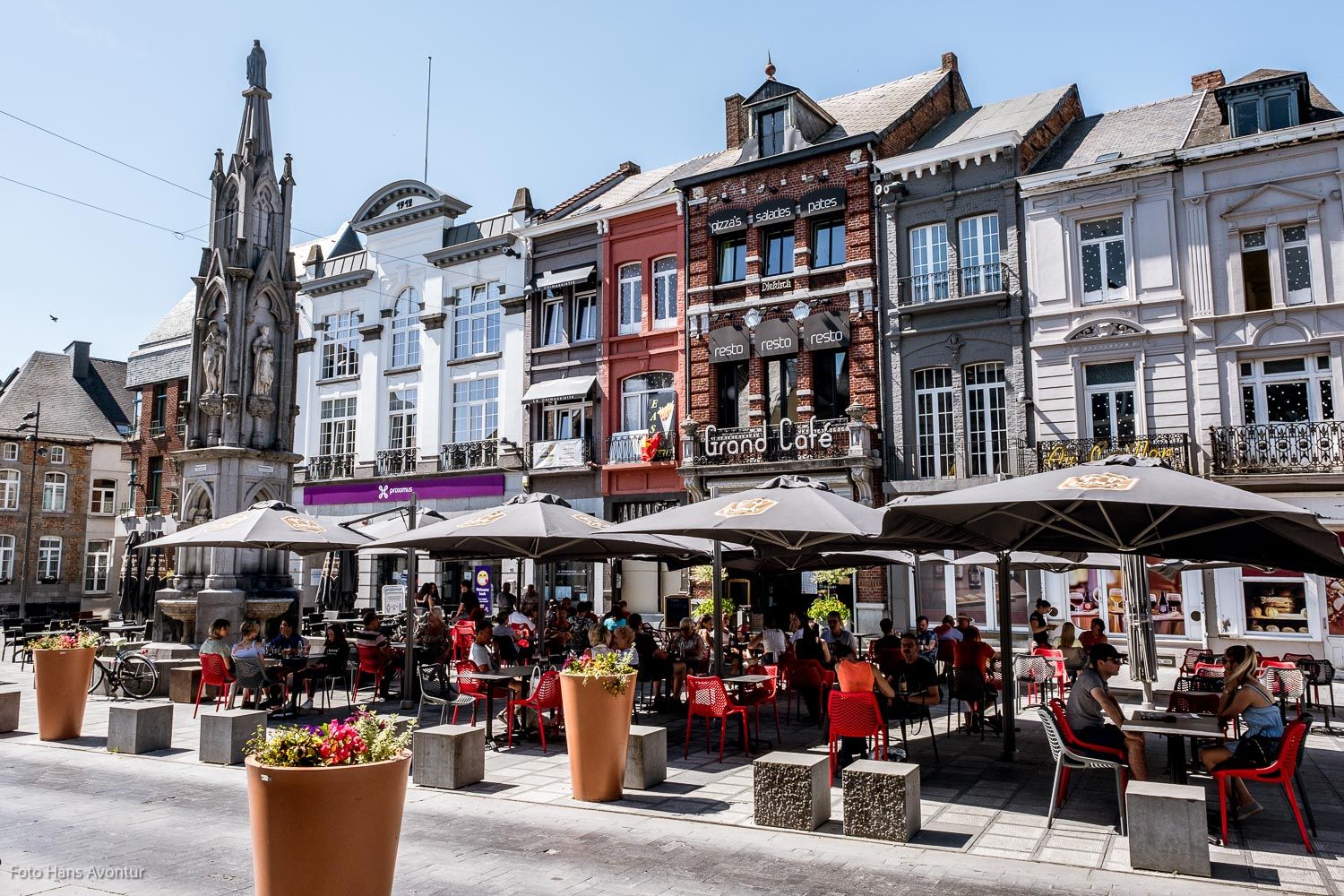
After a tasting at Martine's, I descend further south. Through the sturdy Walcourt, along the reservoirs of l “Eau d” Heure and the farm shop of Ferme des Queuwys in Froidchapelle for butter and cheese. Landing on the princely Grand Place of Chimay for coffee and extra conviviality. The cityscape is not dominated by a church or town hall, but by the towers of a castle. This is where the 15th generation of De Riquet de Caraman resides: Philippe and Françoise, prince and princess of Chimay.
On the terrace, I read about the special residents the castle has had through the centuries, with Madame Tallien as the eye-catcher. This Spanish lady married a French revolutionary in the late 18th century, played a role in the fall of Robespierre, filed for divorce, remarried the prince of Chimay, had a theater built, and turned the small town into a center of music and culture, which it still is.
Oh, and not unimportantly: the princes of Chimay also provided the necessary land for the nearby Trappist abbey of Notre-Dame de Scourmont, yes, the one of the beer.
It's only a short distance to my base camp Lompret. I don't take the fastest route but the one via the hamlets of Neufmaisons and Vaulx. Back in the valley of l'Eau Blanche, I take a modest walk through forests and fields. The cows are not in mega-stables, but lying in the tall grass. Birds sing live the Spotify playlist of mystic forest.
The reward follows with a large glass of local beer on the terrace by l'Eau Blanche, which is simply called La Rivière in the village. Satisfied from a day full of beauty, I stare contentedly into the distance. The water ripples. Just like time.
Love what we do? Help us keep sharing the world’s most inspiring travel stories. At WideOyster, we believe in adventure, authentic storytelling, and capturing the world – raw, real, and breathtaking.
We travel far and wide to bring you stunning photography, in-depth travel journalism, and immersive stories that inspire and inform. But this doesn’t come free. It takes time, passion, and resources to keep WideOyster running without paywalls or clickbait – just pure, high-quality travel content.
If you love what we do, please consider supporting us with a one-time contribution.
Click below to support us and be part of the adventure.
©WideOyster, 2026. Every journey we share is protected by copyright. Please explore and enjoy, but remember: all rights reserved.
WideOyster Media BV
Jacobsgasthuissteeg 11
Utrecht
The Netherlands
Just like every trip needs snacks, our website needs cookies to function. Accept our cookies and let the adventure begin! Read our Privacy Policy.