Inside a modest but bustling workshop at Bere Har, trays of silkworm eggs are carefully tended, kept in precise conditions of heat and humidity. Each tiny egg holds the promise of a thread that will one day shine as part of a luxurious textile.
‘Temperature and moisture are crucial,’ explains Besufikad, walking through the workshop with a careful eye on the operations. ‘If we get it wrong, we risk the entire harvest.’
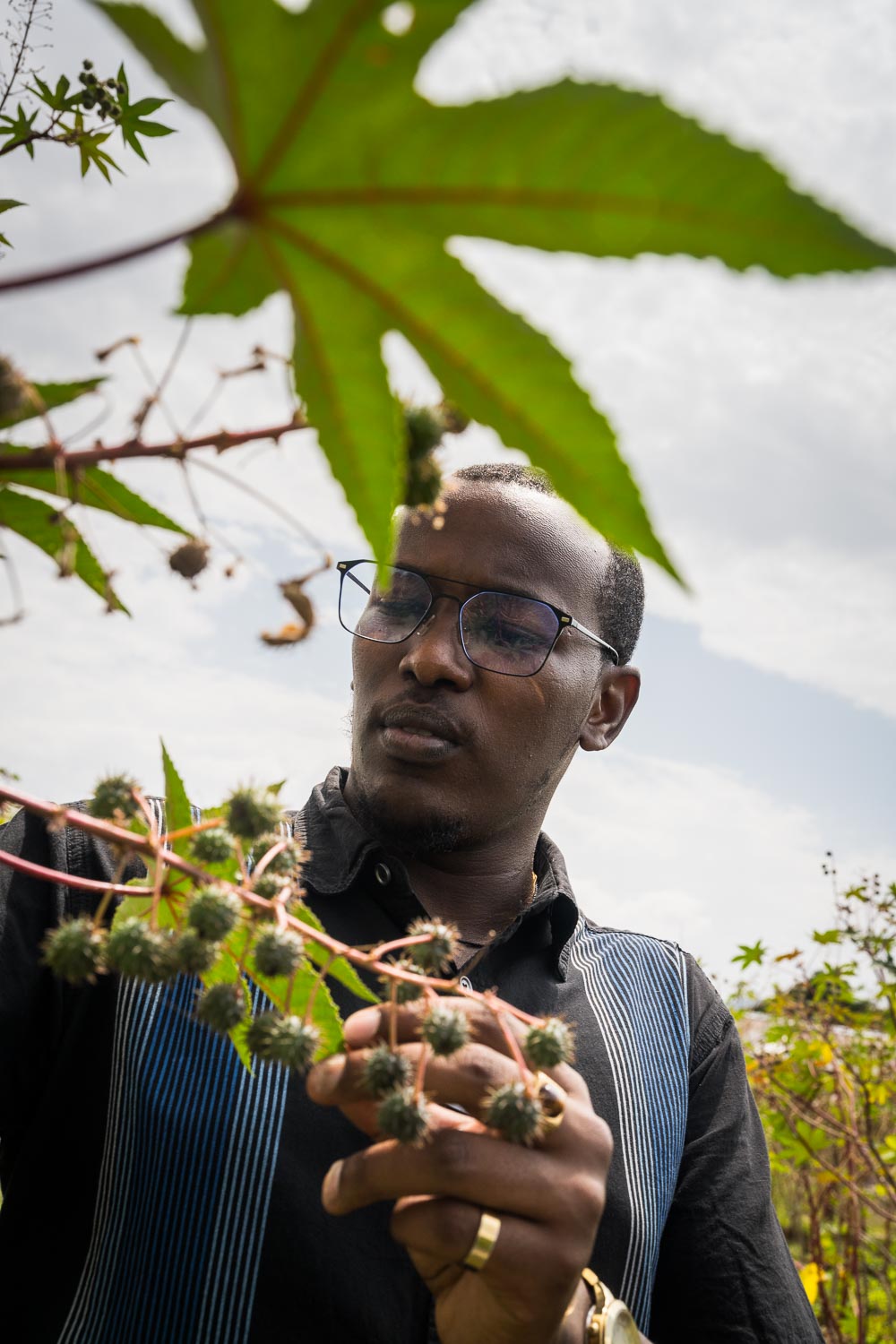
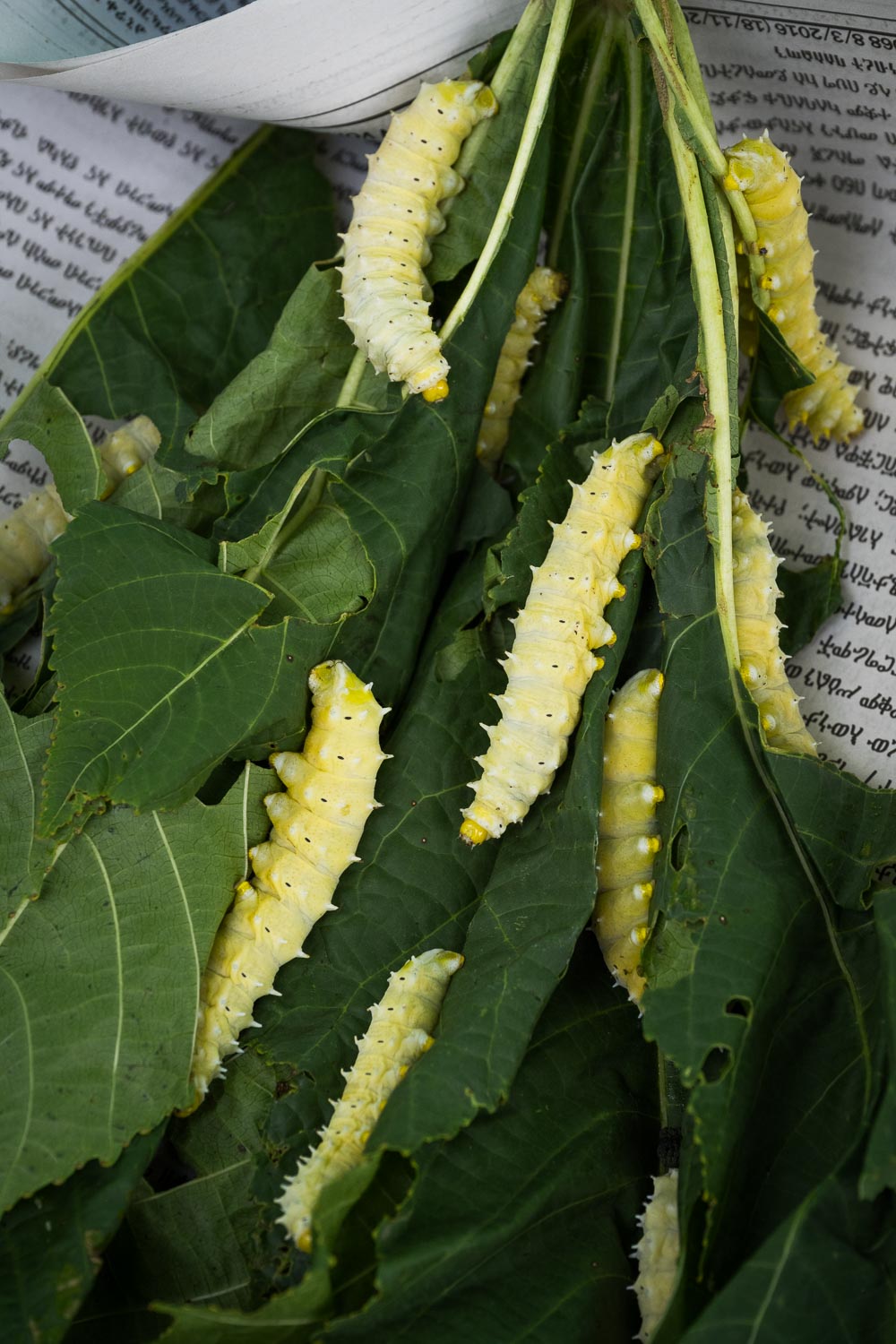
Soon, the eggs hatch into ravenous caterpillars, whose only instinct is to eat. Fresh mulberry leaves are provided in abundance for the domesticated Bombyx mori silkworms, while wild silkworms, such as Eri and Tussar, are fed leaves from castor and other indigenous plants. These tender leaves fuel a remarkable transformation. Over the next few weeks, the tiny creatures grow thousands of times their original size, shedding their skins four times in the process.
Though both types of silkworms undergo this dramatic growth, the difference in size between the species is striking. Mulberry silkworms remain much smaller, their delicate bodies only a fraction of the size of their wild counterparts. Similarly, their cocoons, which are pristine white and smooth, are also smaller—roughly half the size and weight of the robust, textured cocoons spun by wild silkworms.
‘Mulberry silkworms are like miniature architects,’ Besufikad notes with a smile, holding up a tiny mulberry cocoon in one hand and a wild silk cocoon in the other. ‘Their work is precise and refined, but wild silkworms create something bolder, more untamed. You can see the difference just by looking at the cocoons.’
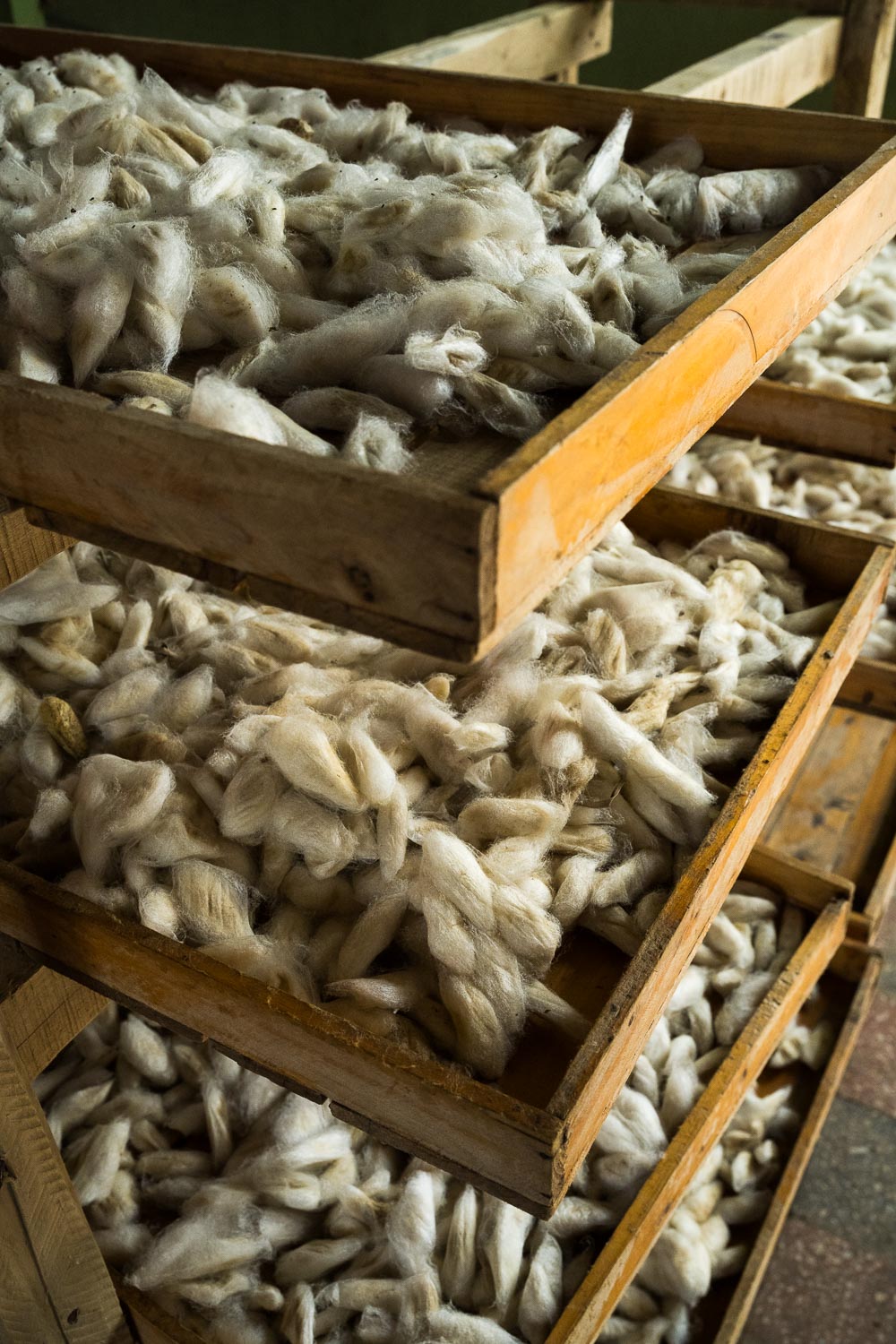
As the silkworms reach maturity, they prepare to spin their cocoons. For the mulberry silkworms, this means secreting a continuous strand of silk up to a kilometre long, forming smooth, delicate cocoons that are later processed into thread. The larger wild silkworms, on the other hand, produce coarser, textured cocoons. Depending on the species, these can have a golden, cream, or honey hue that reflects the rugged beauty of their natural diet and environment.
Bere Har’s artistry truly shines in its work with wild silk, which Besufikad considers ‘the heart and soul of Ethiopian silk‘. Unlike the domesticated mulberry silkworm, wild silkworms are cultivated using eco-friendly methods that mimic their natural habits. Although they no longer live entirely in the wild, their connection to the land remains strong, as they feed on native plants and exhibit the resilience of their untamed origins.
‘Wild silk has character,’ Besufikad says, holding up a textured cocoon. ‘It’s not as smooth or perfect as mulberry silk, but that’s what makes it so special. It feels alive—warm, rugged, and deeply rooted in our landscape.’
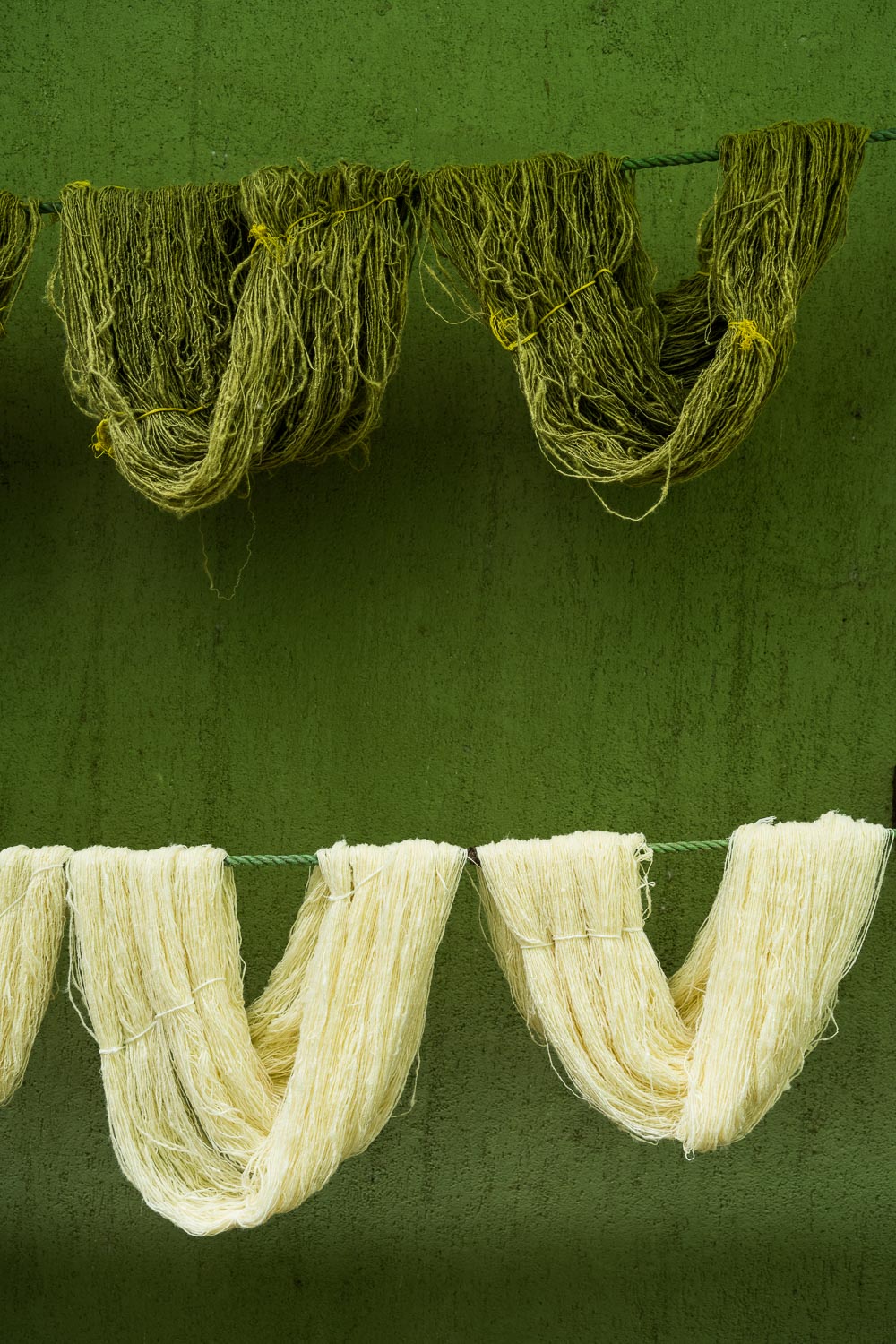
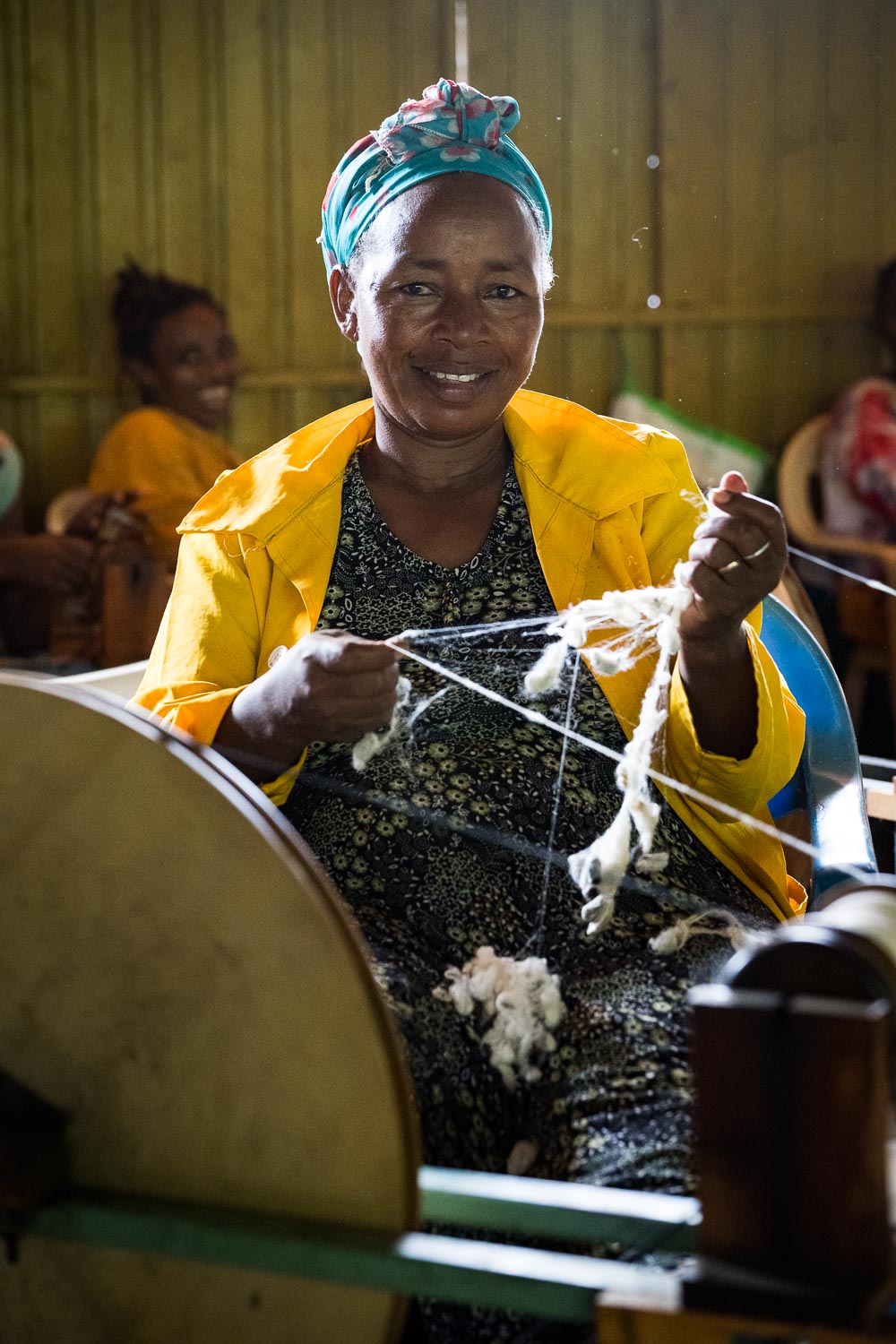
Once the wild silk threads are spun, they undergo a transformation that is as mesmerising as the weaving itself. At Bere Har, the dyeing process is entirely natural, rooted in traditional methods passed down through generations. Using a combination of locally sourced plants, seeds, and natural minerals, the artisans create vibrant, earthy colors that give each piece a unique identity.
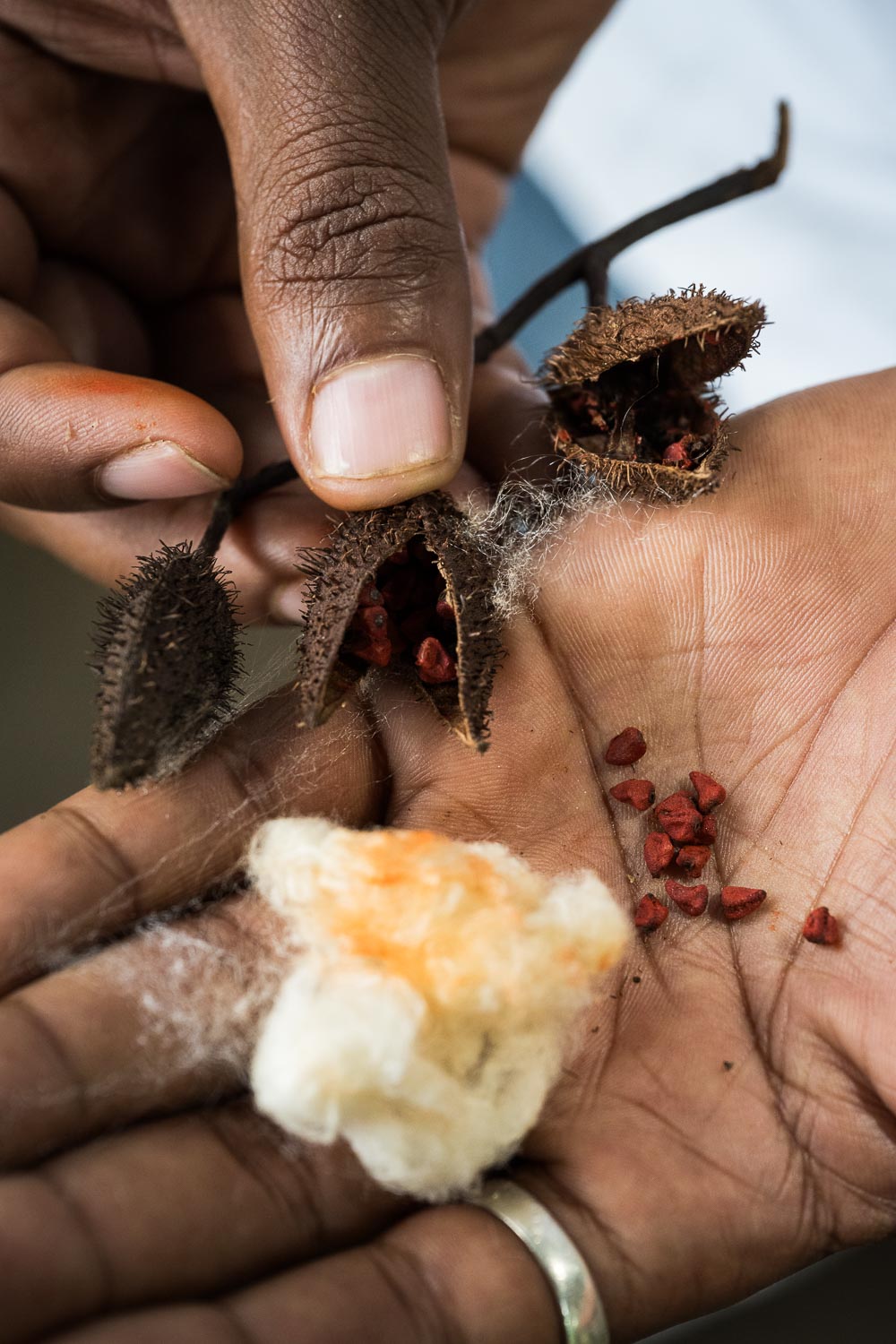
‘All of our dyes come from nature,’ Besufikad explains proudly. ‘We use mango leaves for soft greens, onion peel for warm golden tones, and annatto seeds for rich oranges. Cochineal, a natural dye derived from insects, gives us deep reds and pinks. And by using different mordants like aluminium, copper, or iron, we can create subtle variations in the final colour.’
The dyeing process is entirely done by hand, keeping in line with Bere Har’s commitment to craftsmanship. In an open-air workspace, small fires burn beneath large pots of boiling water. Artisans carefully add the dyeing materials to the pots, watching as the water transforms into a vivid palette of hues. The silk threads are gently lowered into the pots, absorbing the natural pigments over hours of careful tending.
‘Our dyes are alive, just like the silk,’ Besufikad says, stirring one of the pots with a long wooden stick. ‘The fire, the water, the ingredients—they all work together to create something completely unique. No two batches are ever exactly the same.’
The use of mordants like aluminium, copper, and iron allows the artisans to manipulate the intensity and undertones of the colours. For example, iron can darken the shades, creating muted, earthy tones, while aluminium helps bring out brighter, more vibrant hues. This careful alchemy ensures that every scarf or shawl is a one-of-a-kind masterpiece.
‘Dyeing is an art form in itself,’ Besufikad continues. ‘It’s not just about adding colour—it’s about enhancing the story of the silk. Each piece becomes a reflection of the land, the plants, and the hands that created it.’
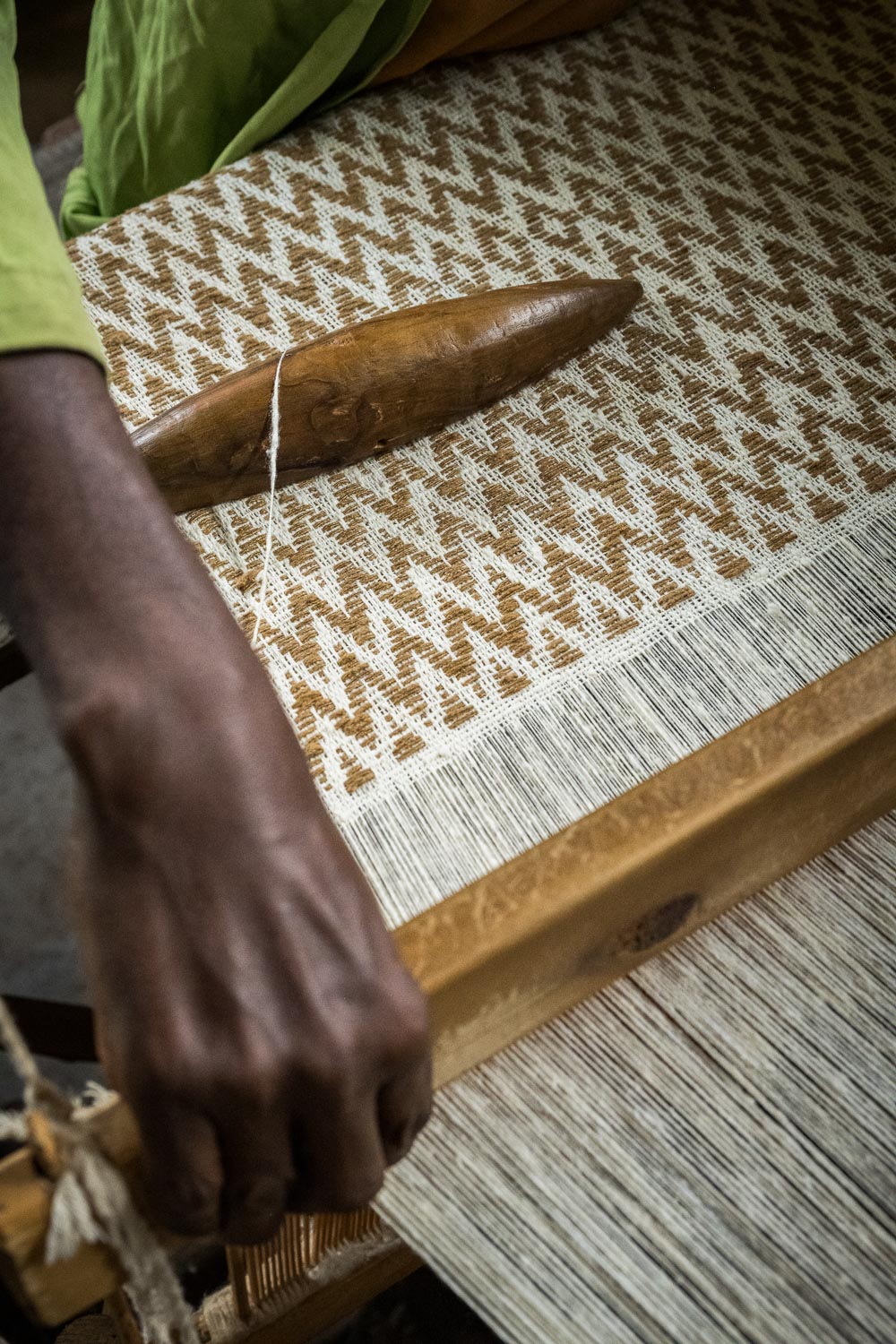
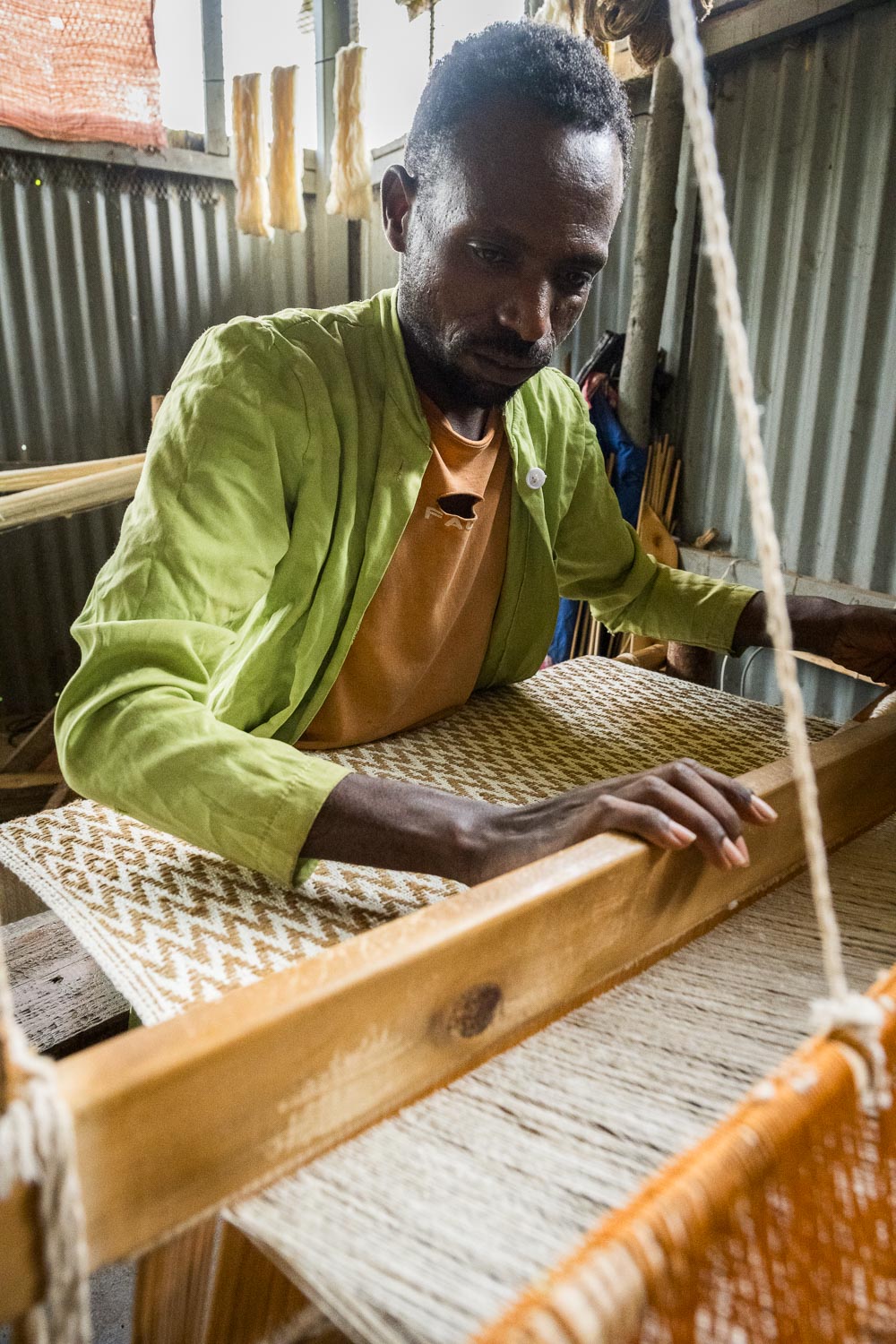
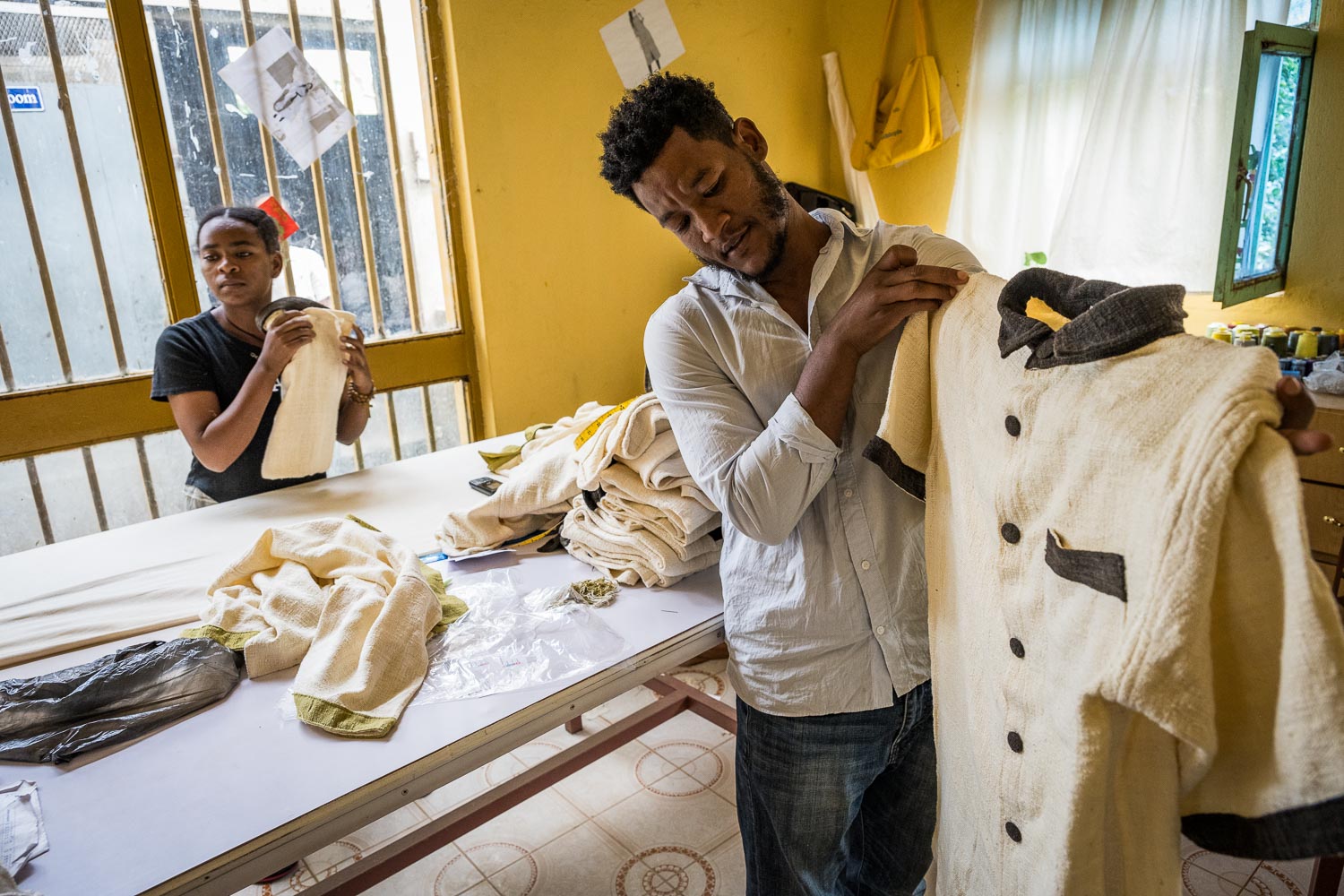
While Bere Har sells part of its mulberry silk thread to global manufacturers, the company’s core focus is on creating finished garments from wild silk. Artisans at Bere Har transform the hand-spun and hand-dyed threads into stunning fabrics, using traditional weaving techniques that blend Ethiopian craftsmanship with contemporary design.
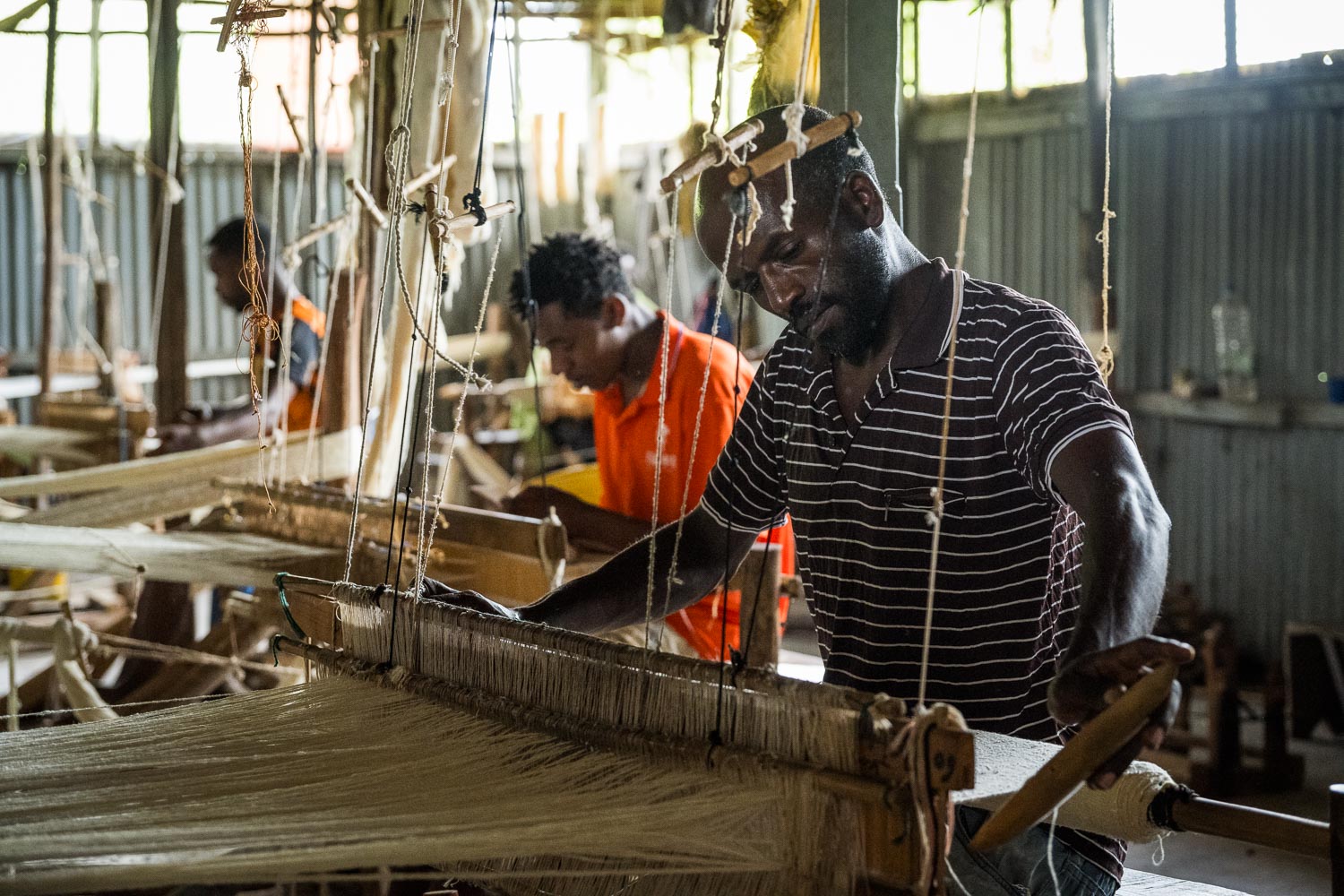
The rhythmic clatter of looms fills the air as skilled weavers create patterns that embody Ethiopia’s cultural and natural richness. The earthy, vibrant tones of the naturally dyed threads add depth and warmth to the finished garments, making each piece a celebration of artistry and sustainability.
‘When you wear wild silk, you’re wearing a piece of Ethiopia,‘ Besufikad says with pride. ‘It’s more than just fabric—it’s tied to who we are, to the land, and to the way we create.’
As the sun sets over the mulberry groves, Besufikad reflects on the journey of a single thread—from the silkworms that spin it to the artisans who shape it into something extraordinary.
‘Silk is a miracle of nature,’ he says, his voice quiet but full of conviction. ‘It’s fragile yet strong, humble yet luxurious. And through it, we can tell the story of Ethiopia in a way that the world can touch, feel, and cherish.’
At Bere Har Sericulture, Ethiopia’s silk renaissance is in full bloom. With every scarf and shawl, the company weaves a brighter future for its people, its environment, and its place in the world of sustainable fashion.
Watch how wild silk is grown, dyed, and woven at Bere Har Sericulture—Ethiopia’s leading silk farm.
Curious to see how precious Ethiopian silk is made? Plan your visit to Bere Har Sericulture today. Just minutes from Arba Minch Airport, this leading silk farm produces hand-spun, hand-woven organic silk dyed with natural colours—supporting sustainable growth and meaningful local employment.
For more information or to book your visit, click below, call +251 97 707 8515, or email beresericulture13@gmail.com
Love what we do? Help us keep sharing the world’s most inspiring travel stories. At WideOyster, we believe in adventure, authentic storytelling, and capturing the world – raw, real, and breathtaking.
We travel far and wide to bring you stunning photography, in-depth travel journalism, and immersive stories that inspire and inform. But this doesn’t come free. It takes time, passion, and resources to keep WideOyster running without paywalls or clickbait – just pure, high-quality travel content.
If you love what we do, please consider supporting us with a one-time contribution.
Click below to support us and be part of the adventure.
©WideOyster, 2026. Every journey we share is protected by copyright. Please explore and enjoy, but remember: all rights reserved.
WideOyster Media BV
Jacobsgasthuissteeg 11
Utrecht
The Netherlands
Just like every trip needs snacks, our website needs cookies to function. Accept our cookies and let the adventure begin! Read our Privacy Policy.